
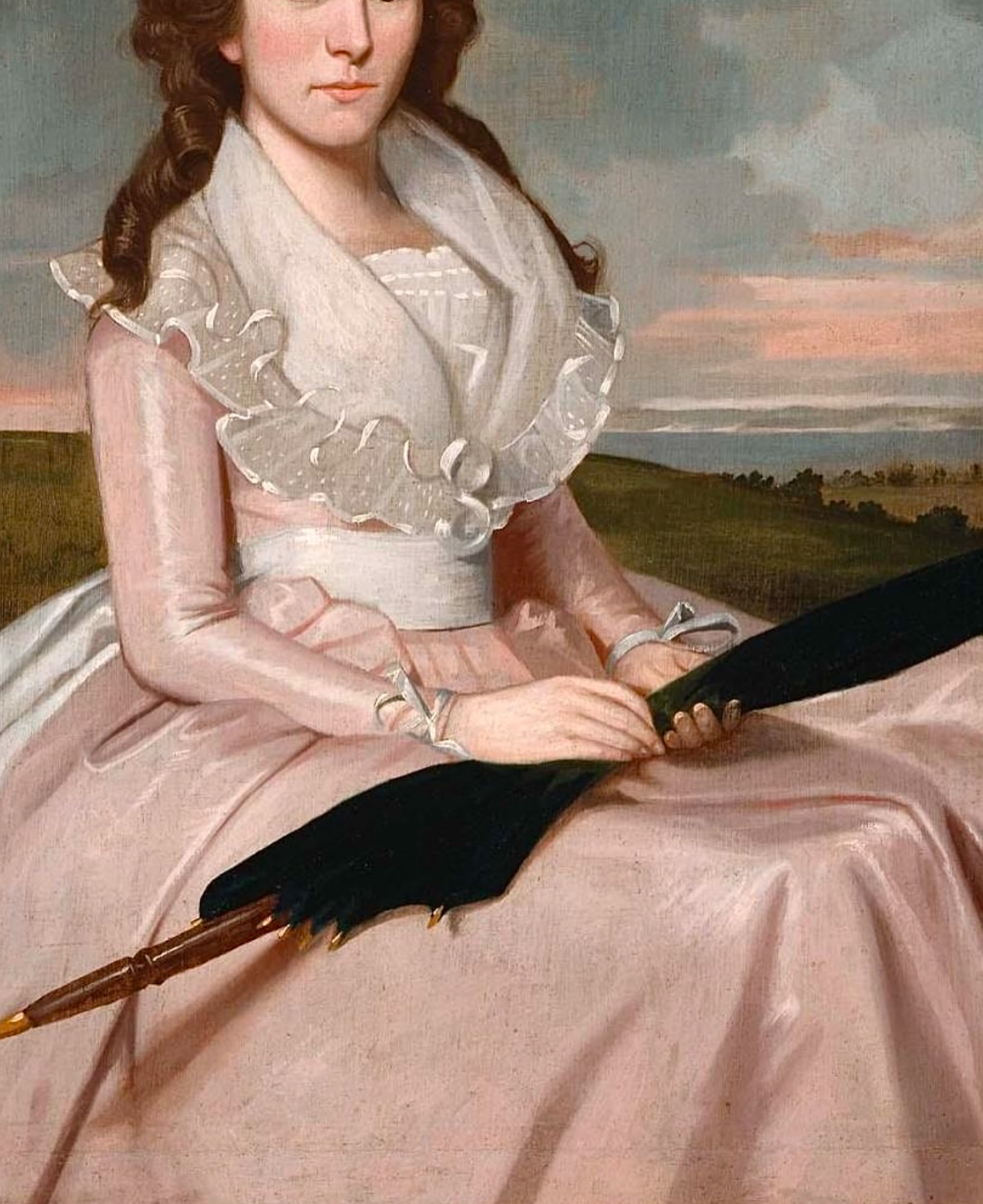
Huldah Bradley sits in the green fields of her family’s Connecticut farm, with a view of the Long Island Sound in the distance. She wears a dress of glossy pink silk and...
Huldah Bradley sits in the green fields of her family’s Connecticut farm, with a view of the Long Island Sound in the distance. She wears a dress of glossy pink silk and...
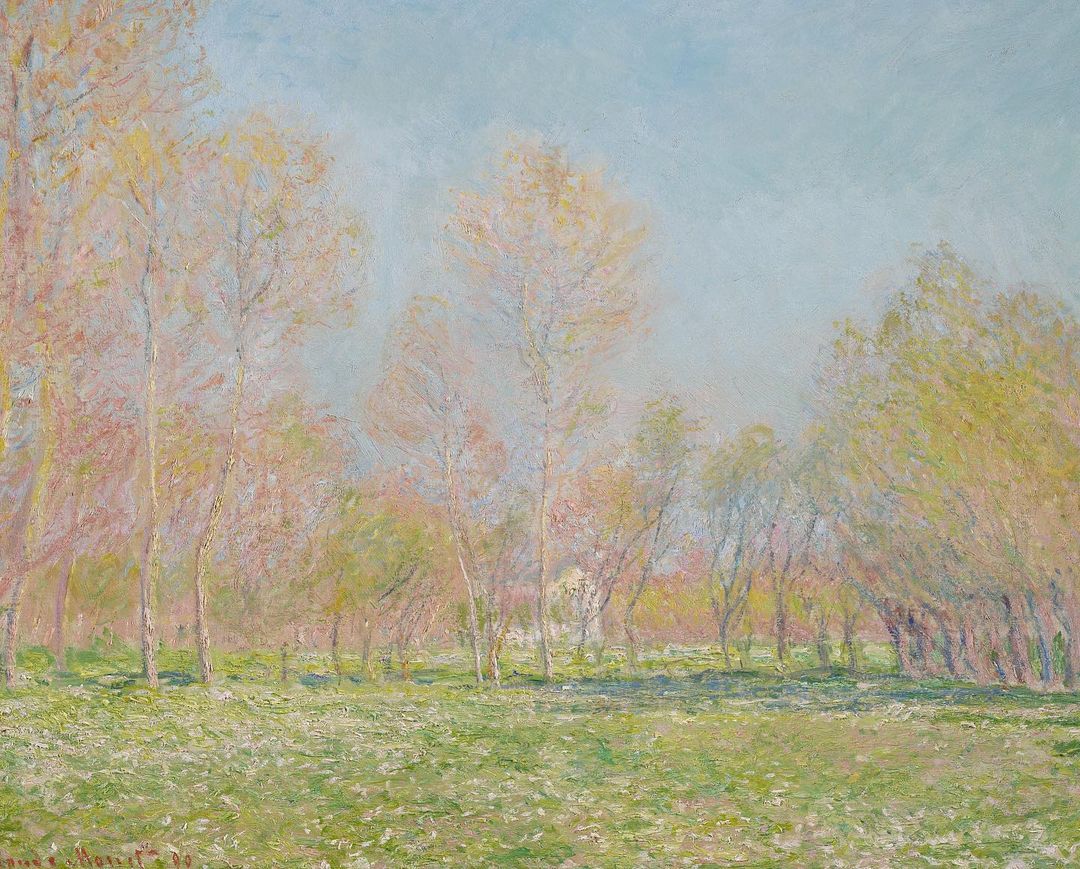
In 1883, Claude Monet (1840—1926) moved to Giverny, a small village northwest of Paris, where he cultivated his famous garden and painted the surrounding countryside....
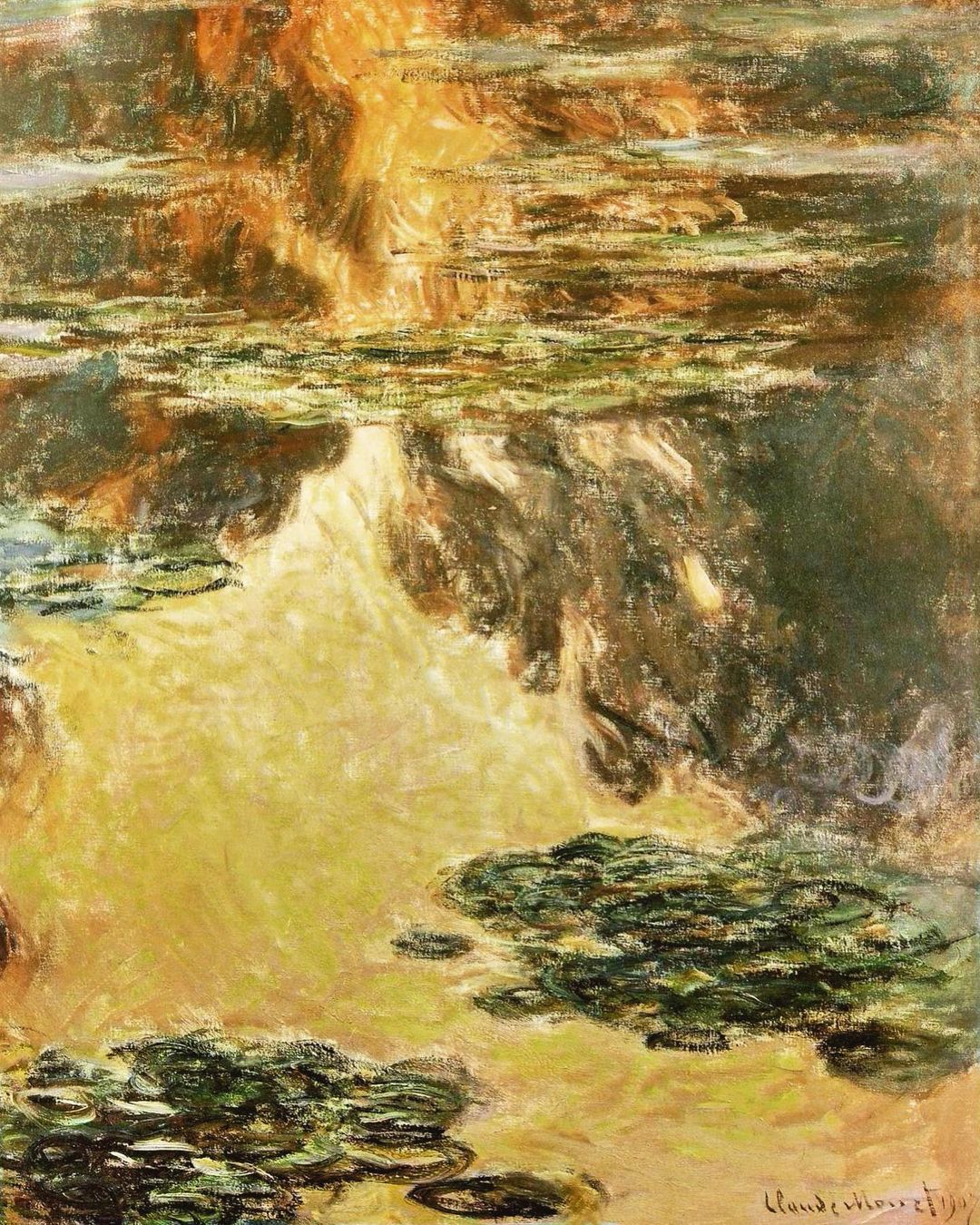
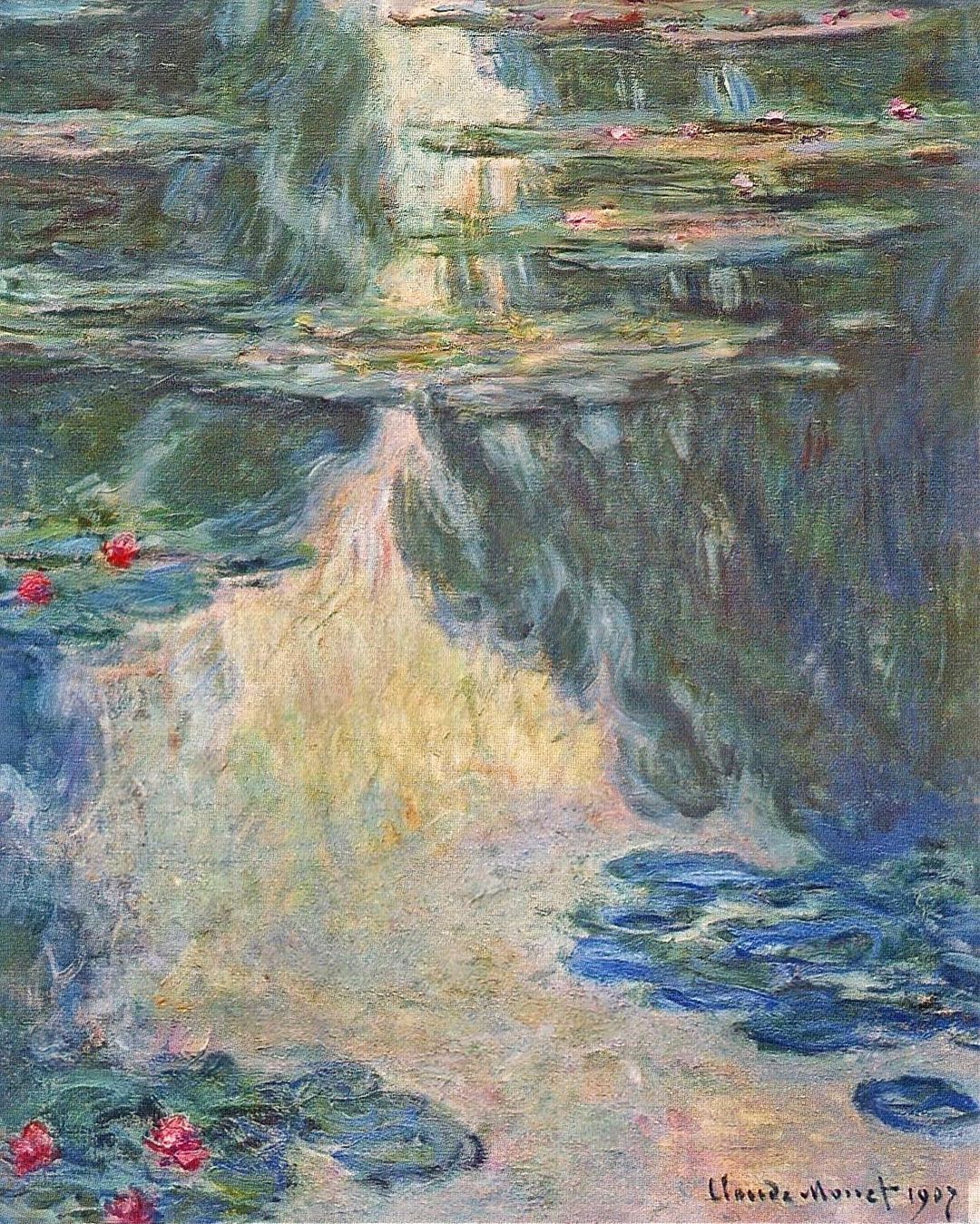
"Color is my daylong obsession, joy, and torment." — Claude Monet. Claude Monet, Water Lilies, 1907, Musée Marmottan-Monet, France @museemarmottanmonet_ Source:...
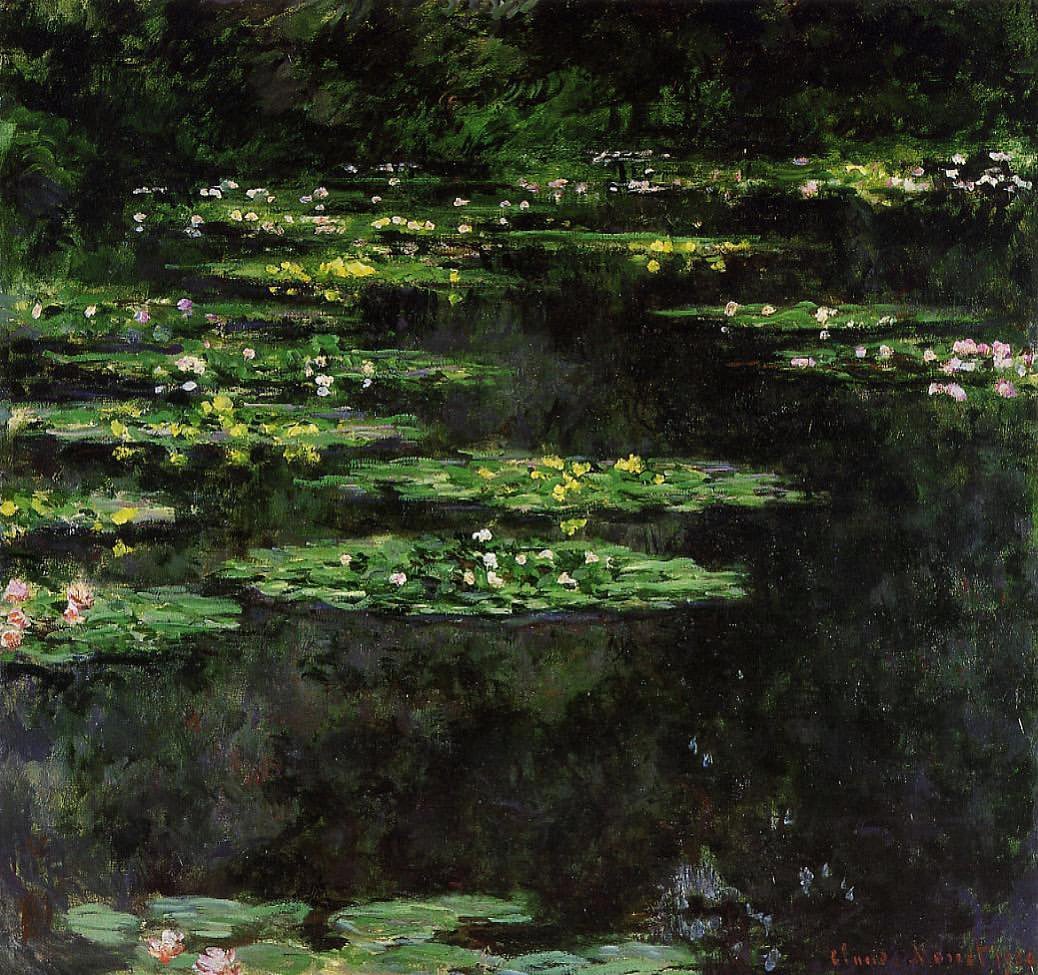
This square painting emphasises the decorative potential of colour. The framing eliminates almost all topographical reference to convey the infinite in perpetual motion....
In 1893, Claude Monet (1840—1926) obtained, with difficulties from the local authorities, the permission to dig a basin in his Giverny garden. As soon as the work was...
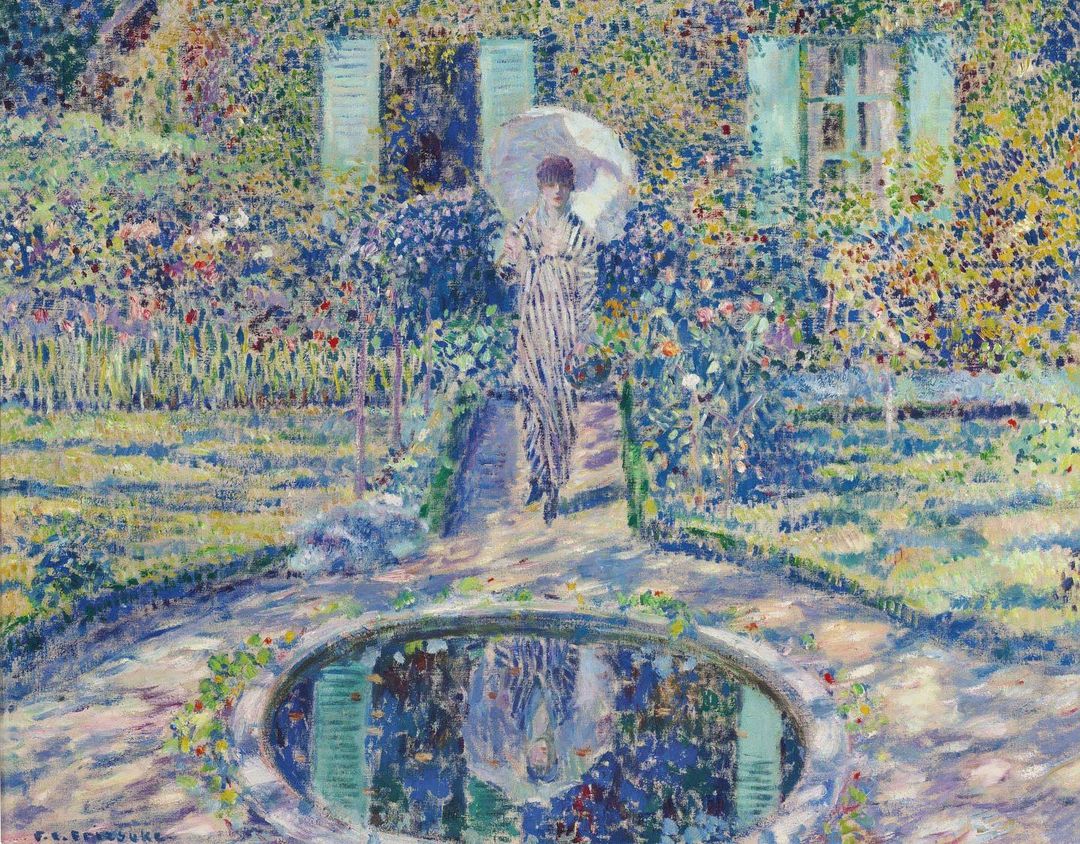
“The Garden” by the American Impressionist painter Frederick Carl Frieseke (1874—1939) was executed at the height of his career in 1912-13. The artist settled in Giverny...
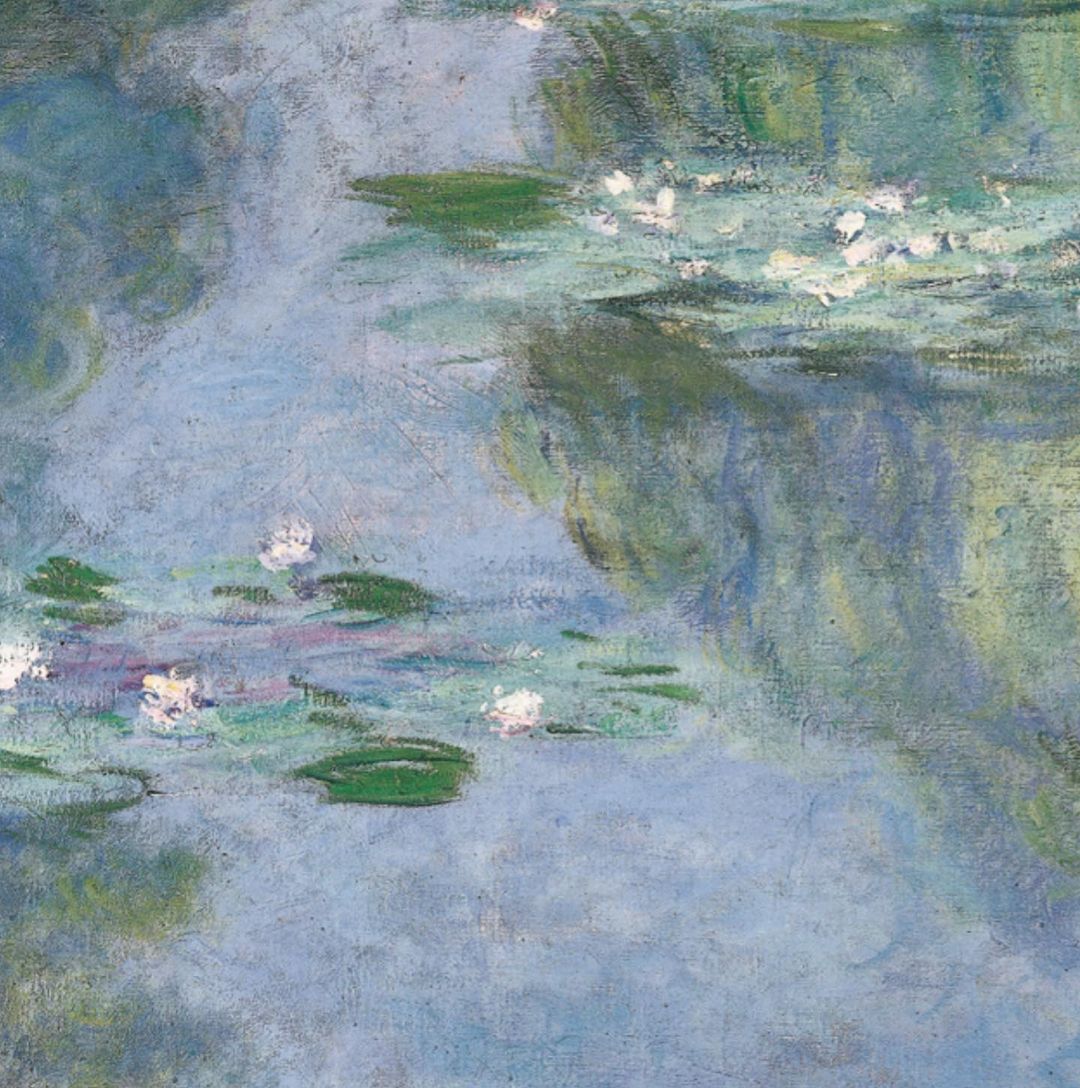
“I am in raptures; Giverny is a splendid place for me,” said Claude Monet, referring to his late masterpieces, the garden landscapes that he produced at his home in...
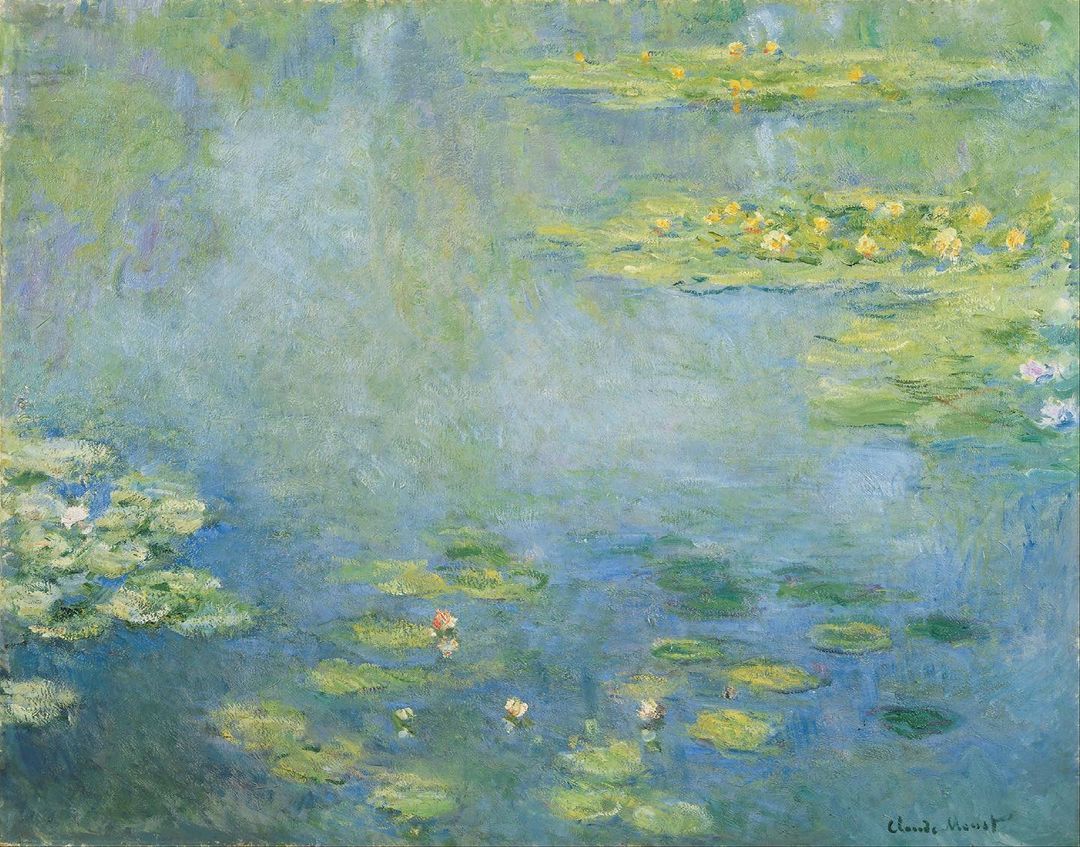
The theme of waterlilies, that became Claude Monet’s (1840—1926) most celebrated series of paintings, recorded the changes in his style and his constant pictorial...
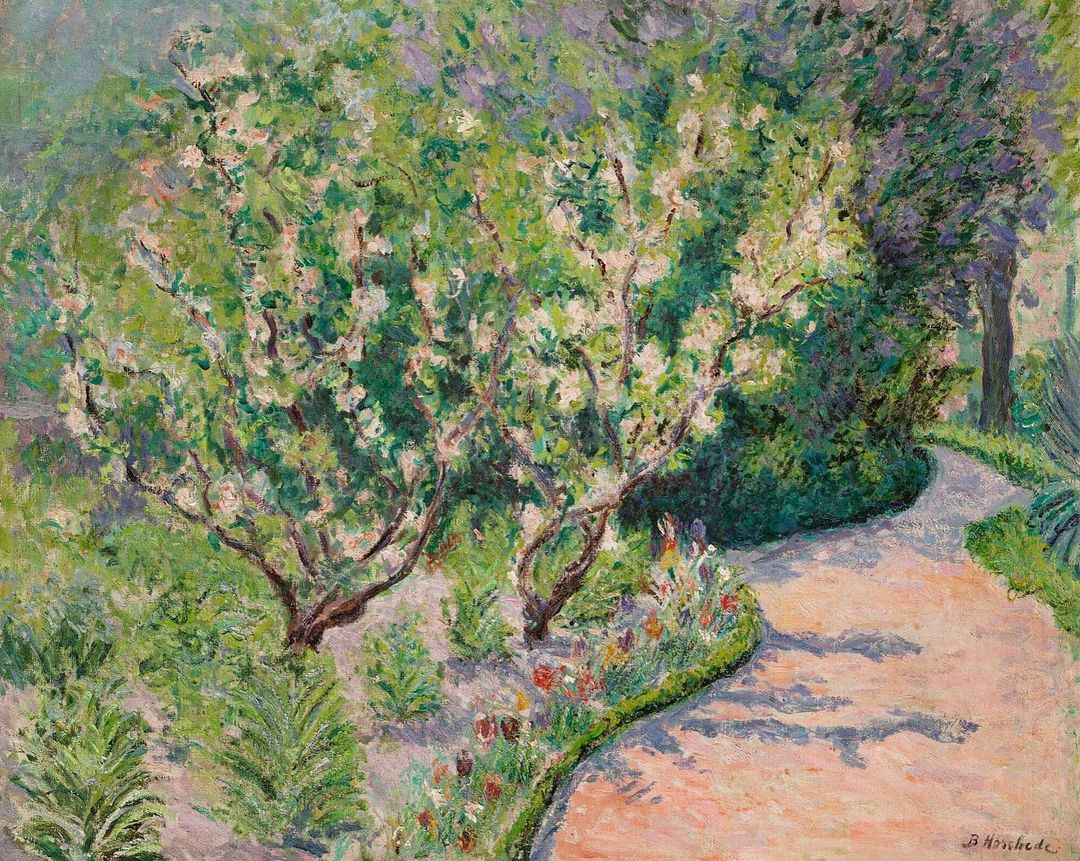
Garden of the artist (Giverny) painted by Blanche Hoschédé-Monet echoes the influence of her stepfather and father-in -law, Claude Monet. The vibrant composition, strong...
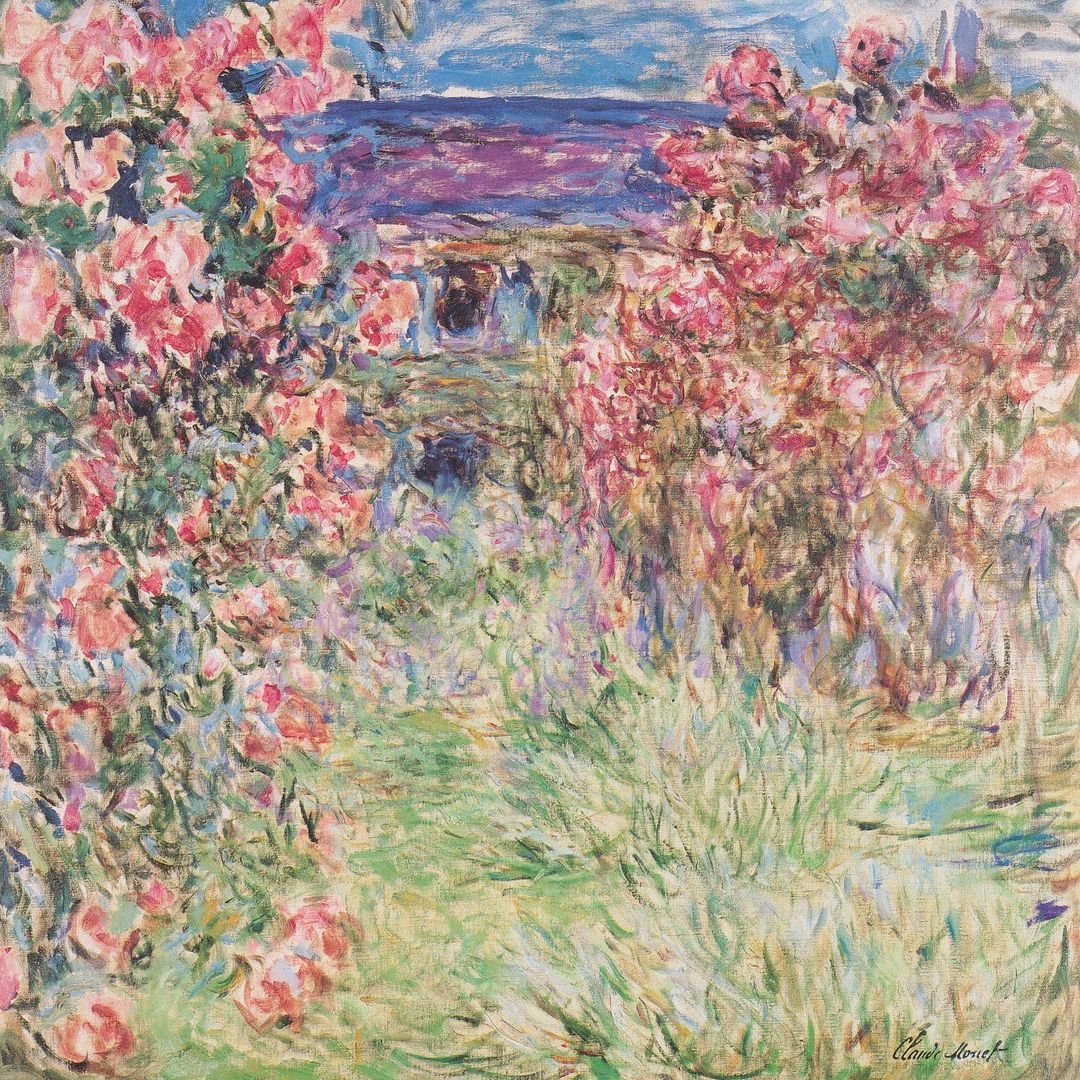
This painting depicts the front of the artist's house in Giverny seen from the garden. Claude Monet, who had been suffering from cataracts since 1912, was eventually...
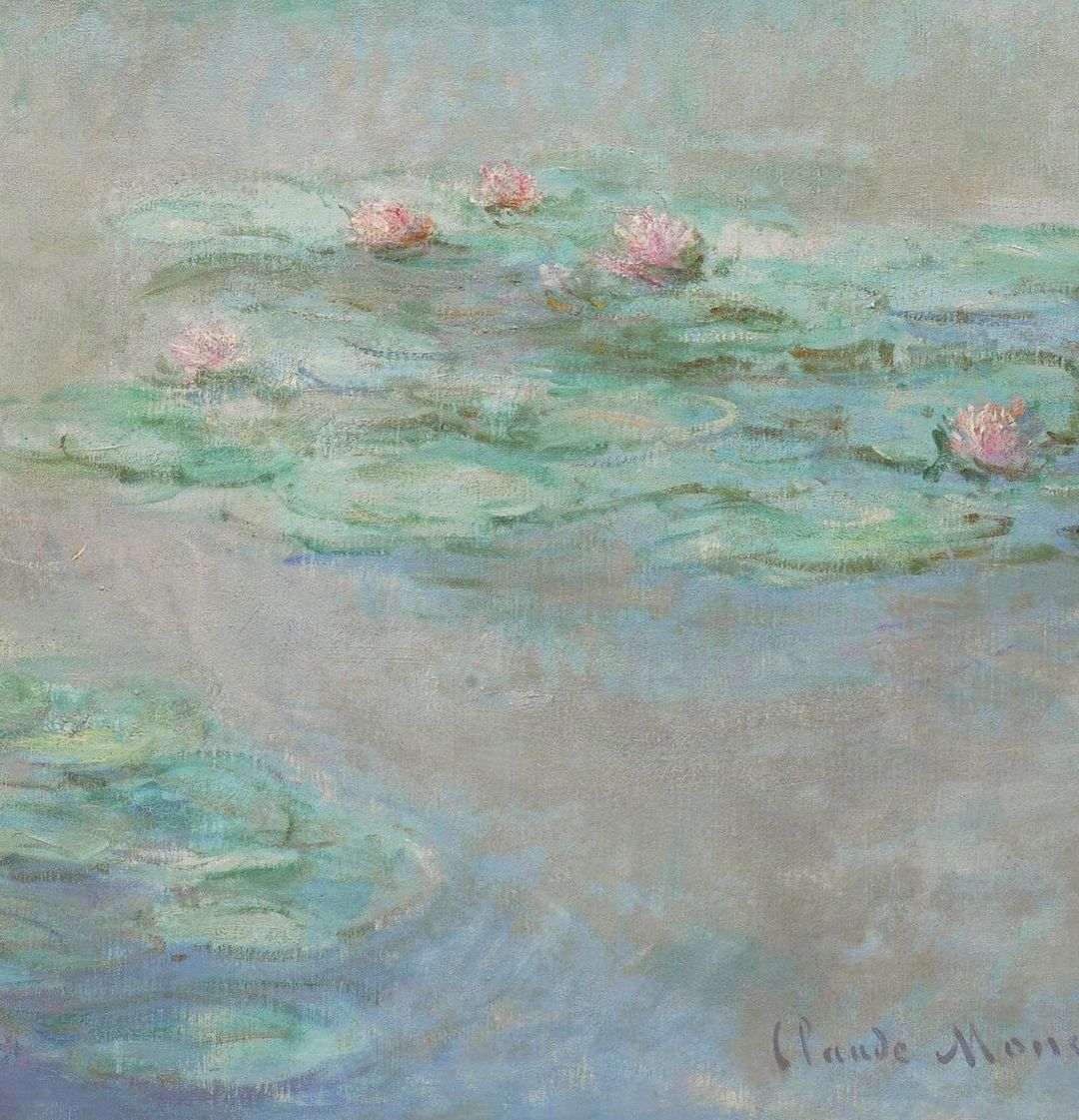
The theme of waterlilies, that became Claude Monet’s (1840—1926) most celebrated series of paintings, recorded the changes in his style and his constant pictorial...
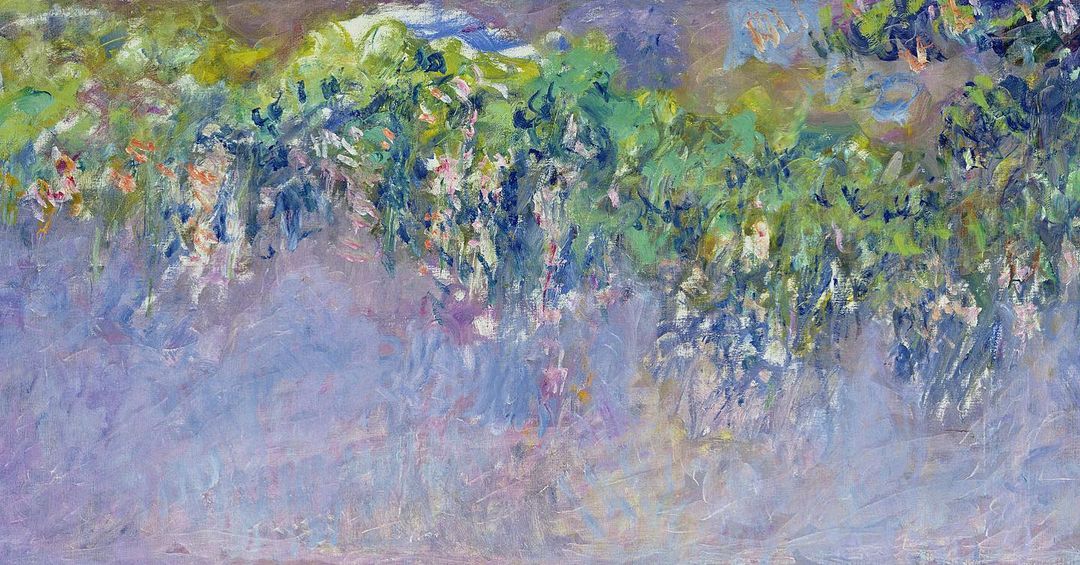
During the late period of his life, between 1917-20, Claude Monet (1840—1926) painted canvases representing the wisteria or glycine flowers. Claude Monet, Wisteria or...
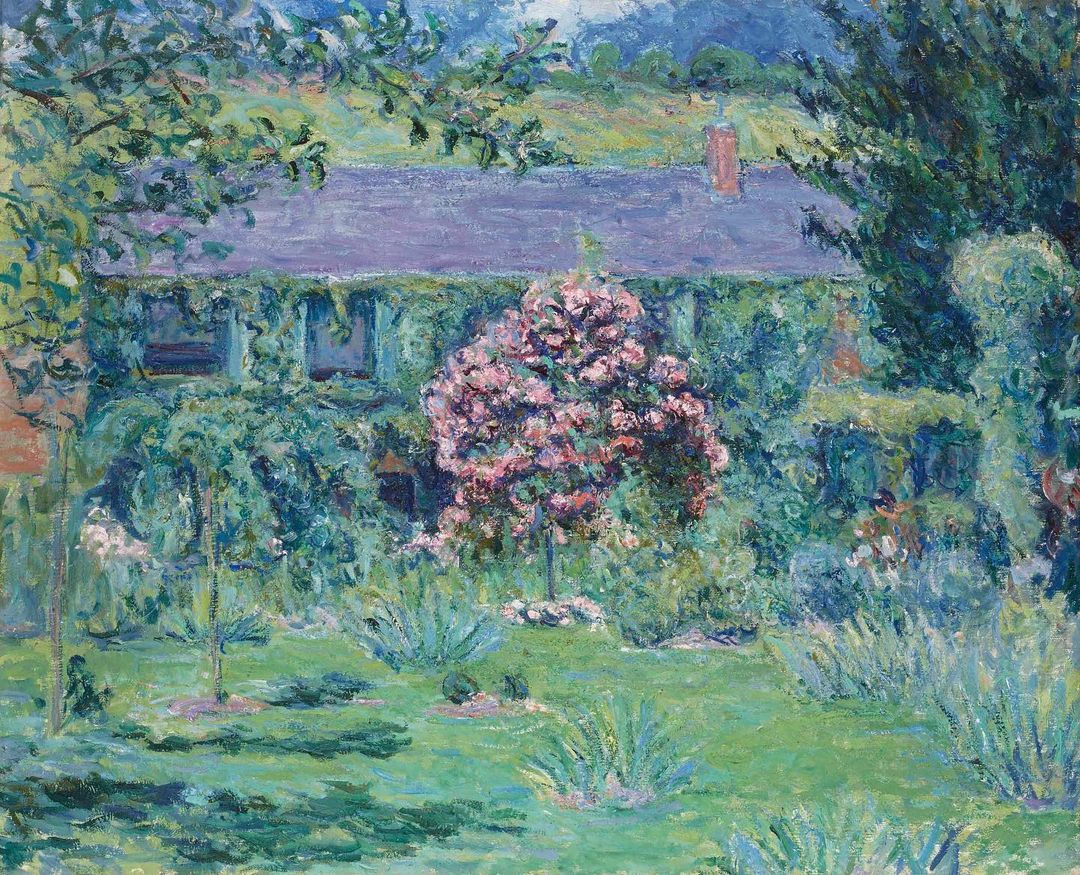
Remaining by Claude Monet’s bedside in Giverny until his death, Blanche Hoschedé Monet (1865—1947), his stepdaughter, became the guardian of both his iconic house and...
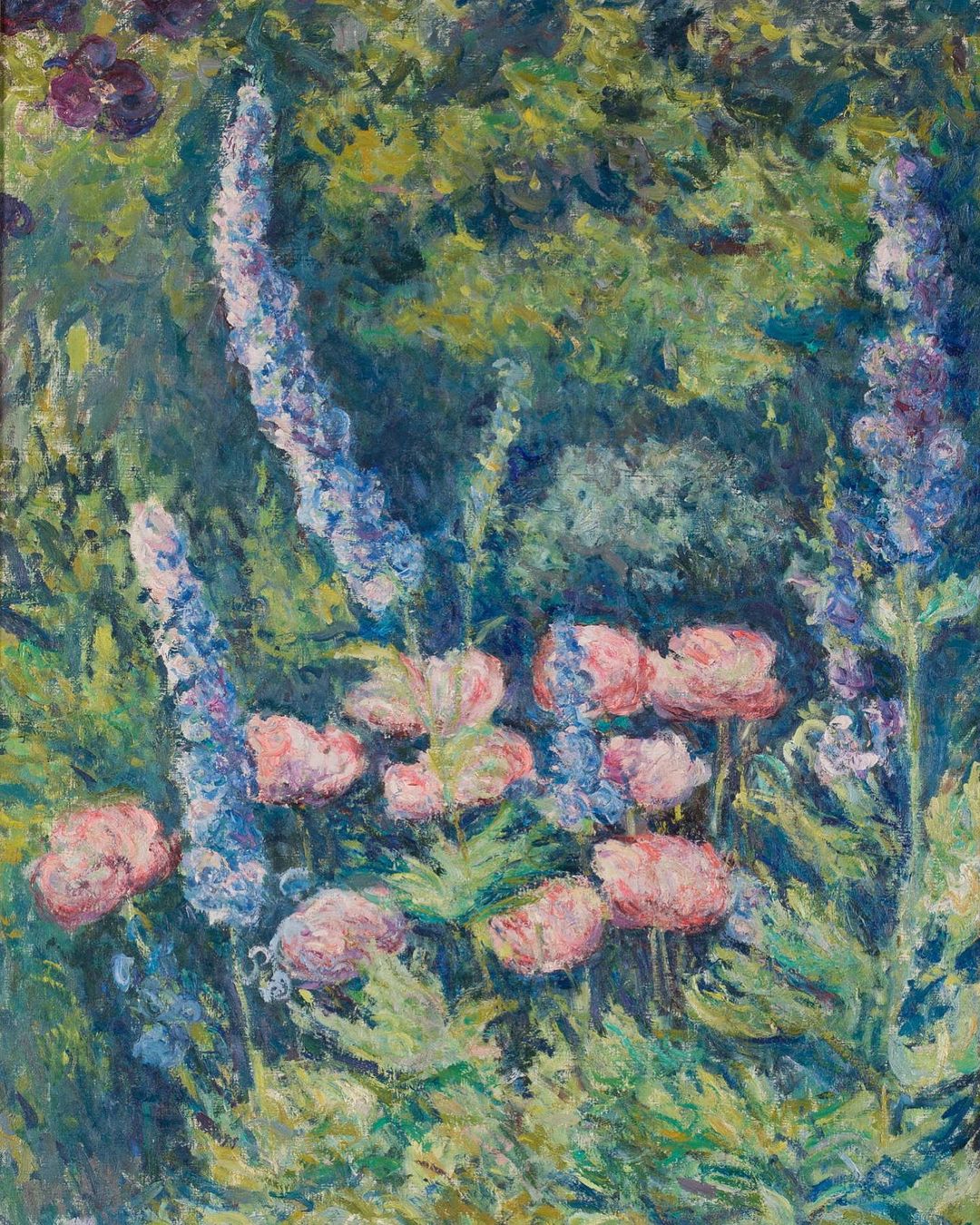
Blanche Hoschedé Monet (1865—1947) was a French painter who was both the stepdaughter and the daughter-in-law of Claude Monet. Most of Blanche's works were done in...
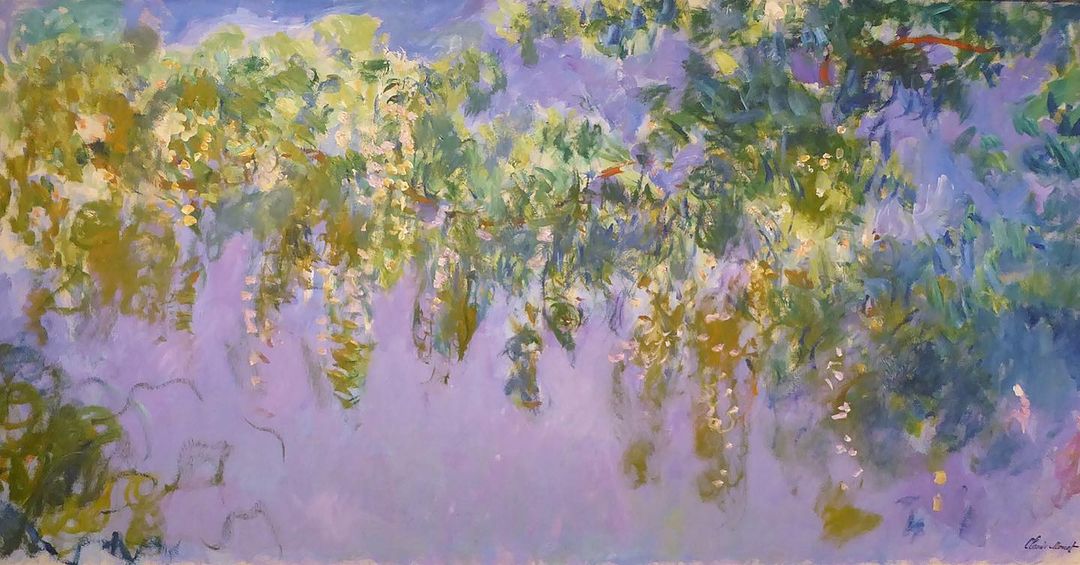
"I'm working very hard and I would like to paint everything before I cannot see anymore." — Claude Monet. Claude Monet, Wisteria or Glycines, c. 1919-20, Musée d'Art et...
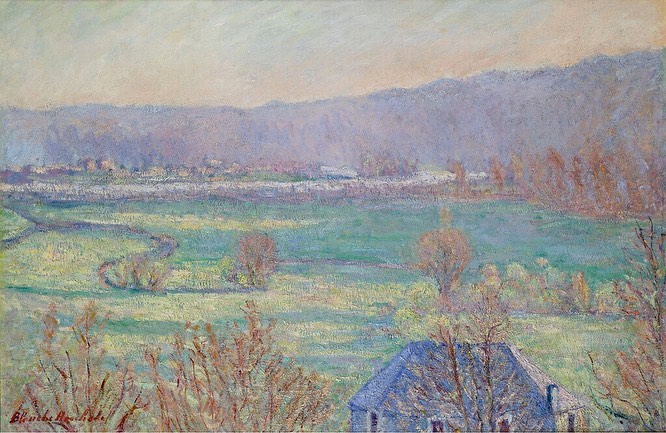
Blanche Hoschedé Monet (1865—1947) was born in Paris, November 10, 1865, the second daughter of Ernest and Alice Hoschede. Ernest was a business man but also an art...
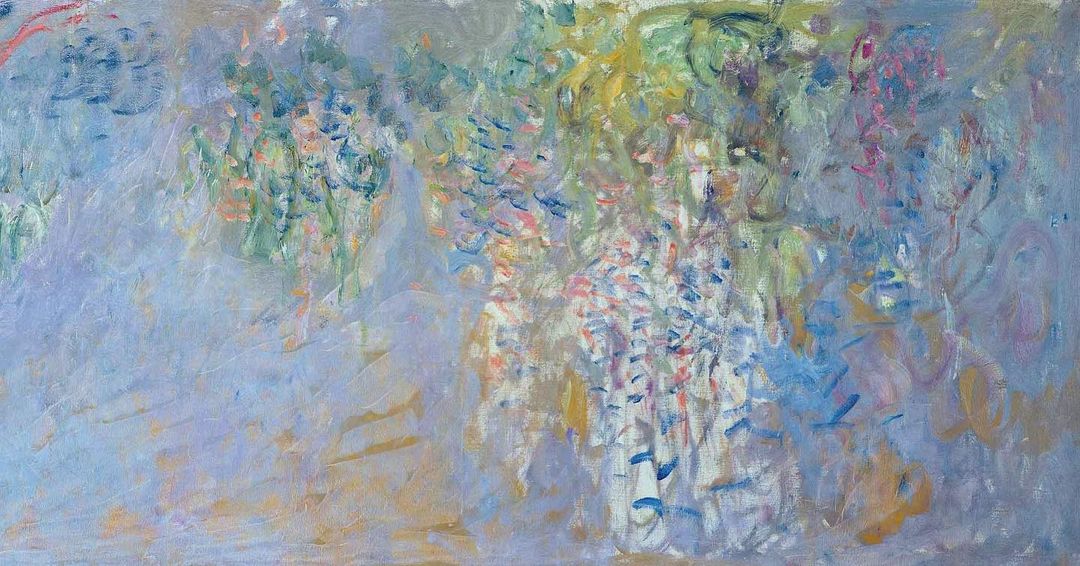
During the late period of his life, Claude Monet (1840—1926) painted canvases representing the wisteria or glycine flowers. The spring of 1914 was a turning point for...
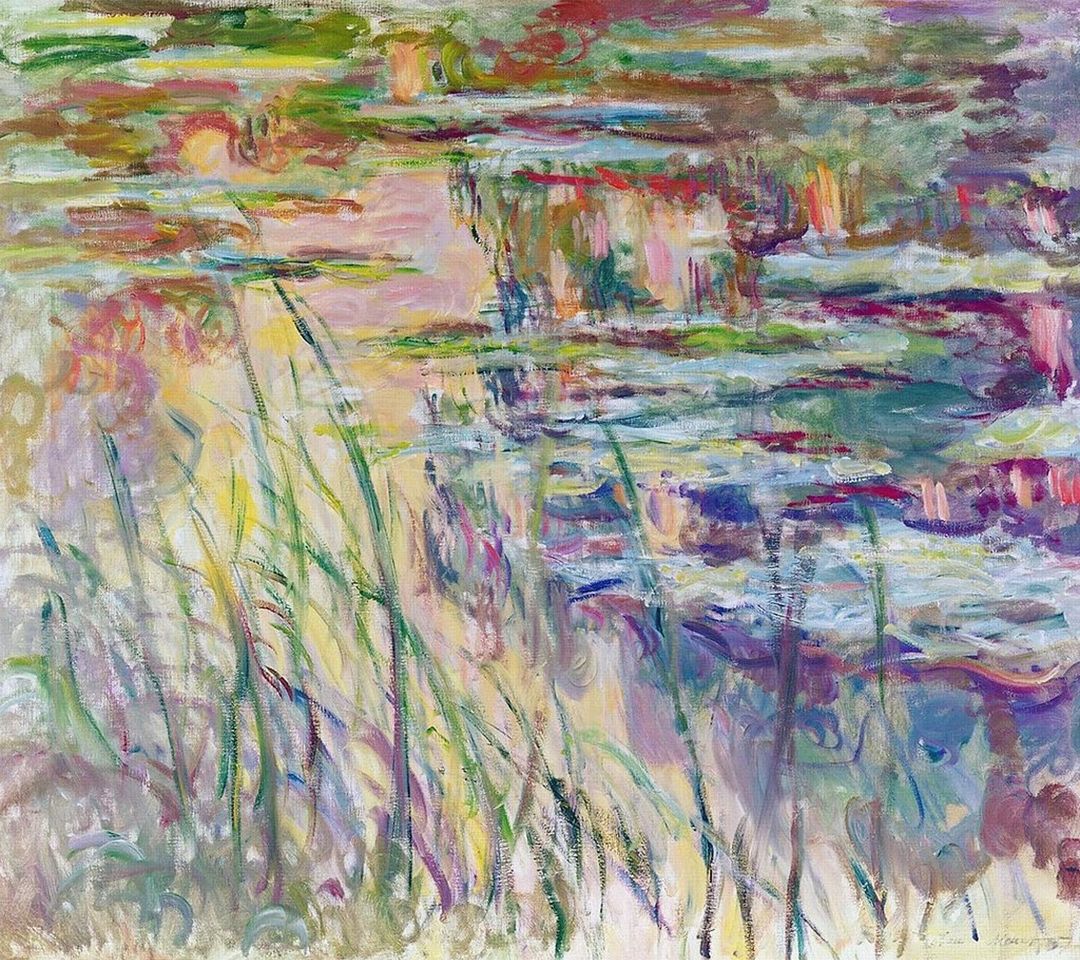
This painting of water lilies was donated by Claude Monet to his friend, fellow artist Albert André in 1920 for his Musée Albert-André in Bagnols-sur-Cèze, France....
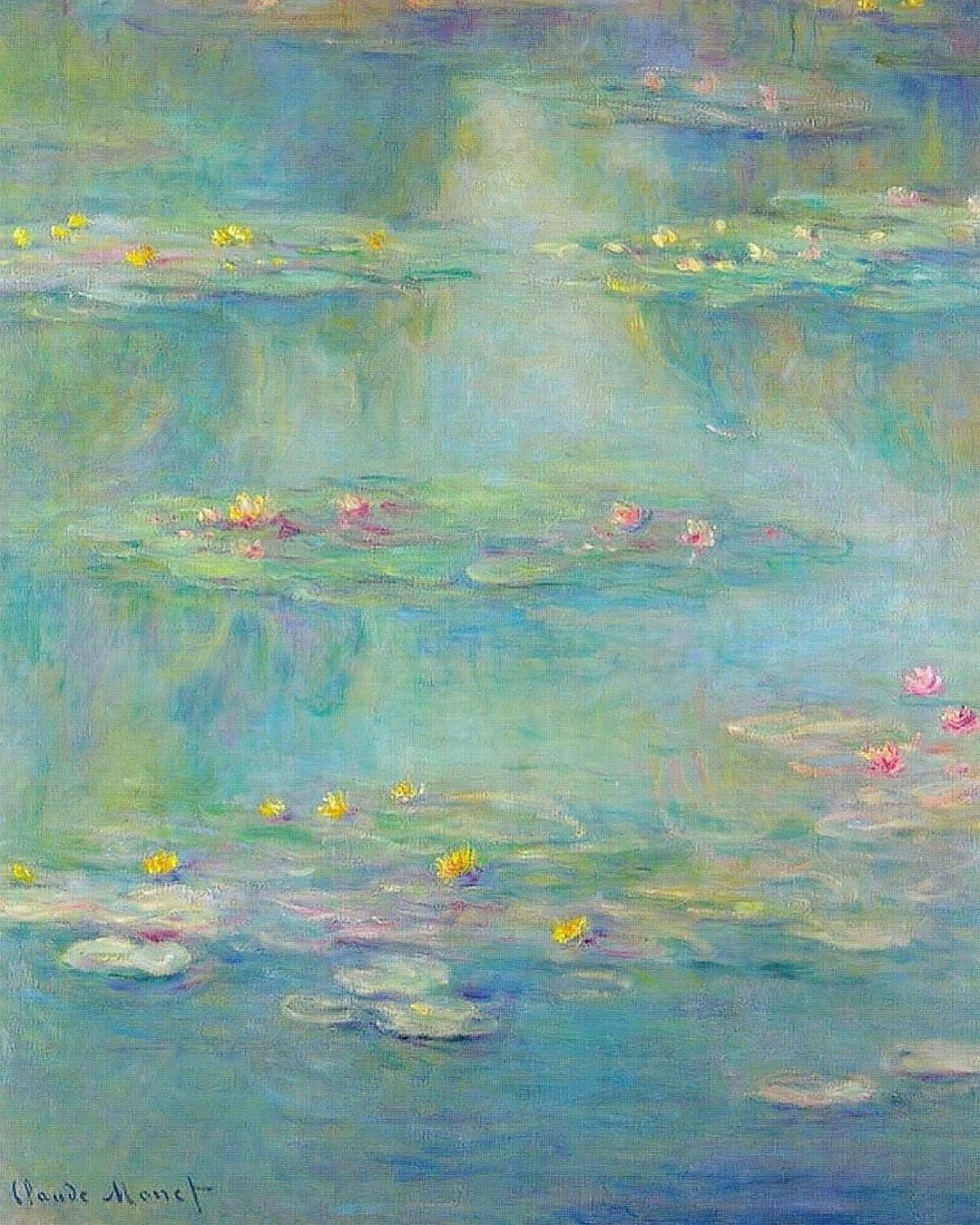
This painting of water lilies is an extraordinary example of the Monet’s virtuosity as a colorist. The surface texture is rich with detail, particularly in the passages...
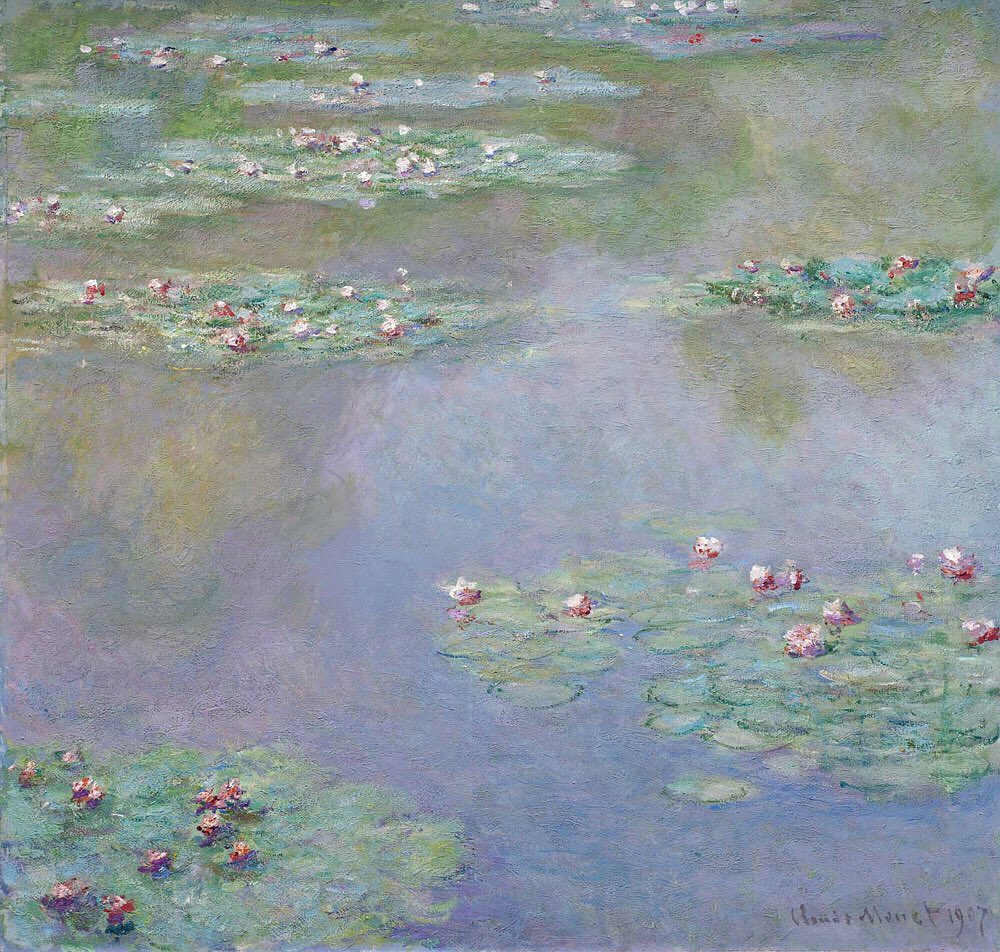
This series was inspired by the water garden that Claude Monet created at his Giverny estate in Normandy. Once the garden was designed according to the artist's vision,...
чтобы продолжить