
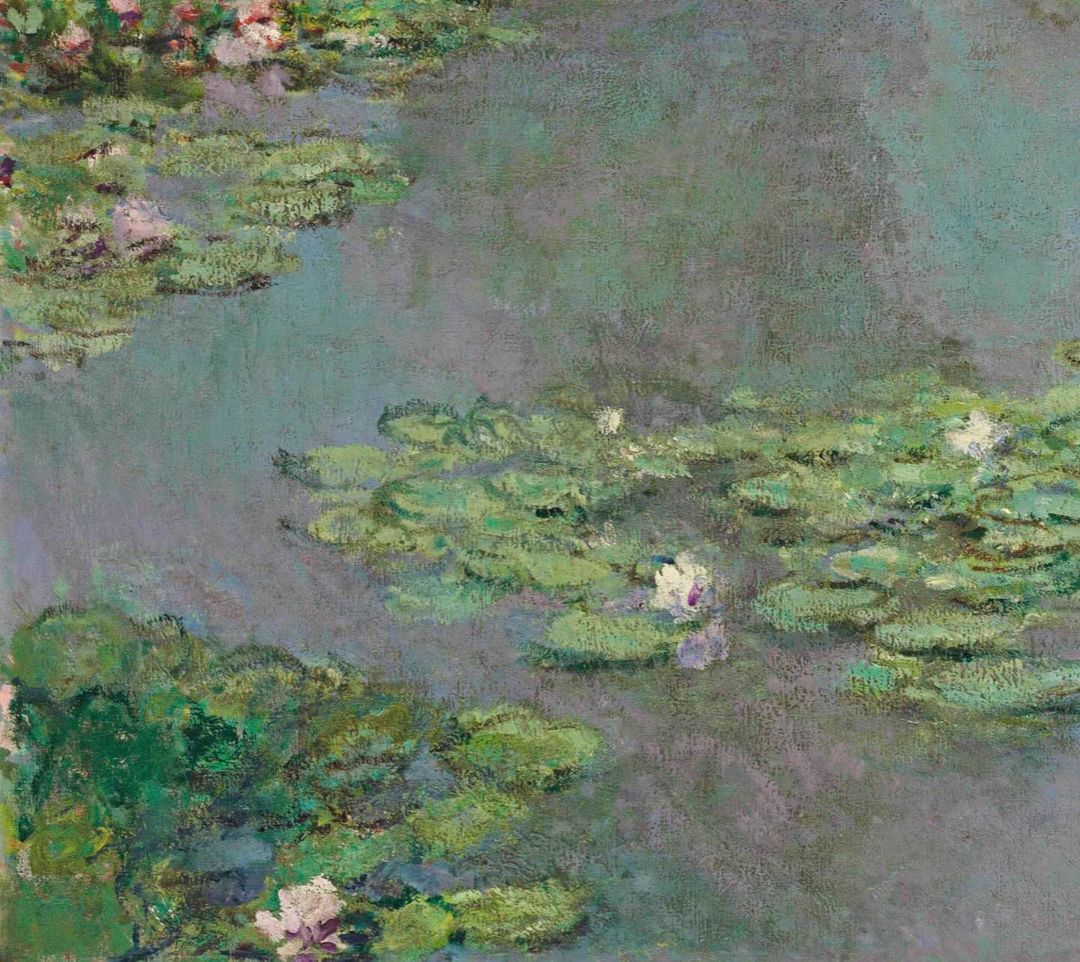
When the Nymphéas show finally opened at Durand-Ruel’s gallery in May 1909, it was an unqualified success. Forty-eight views of the lily pond (including this painting)...
When the Nymphéas show finally opened at Durand-Ruel’s gallery in May 1909, it was an unqualified success. Forty-eight views of the lily pond (including this painting)...
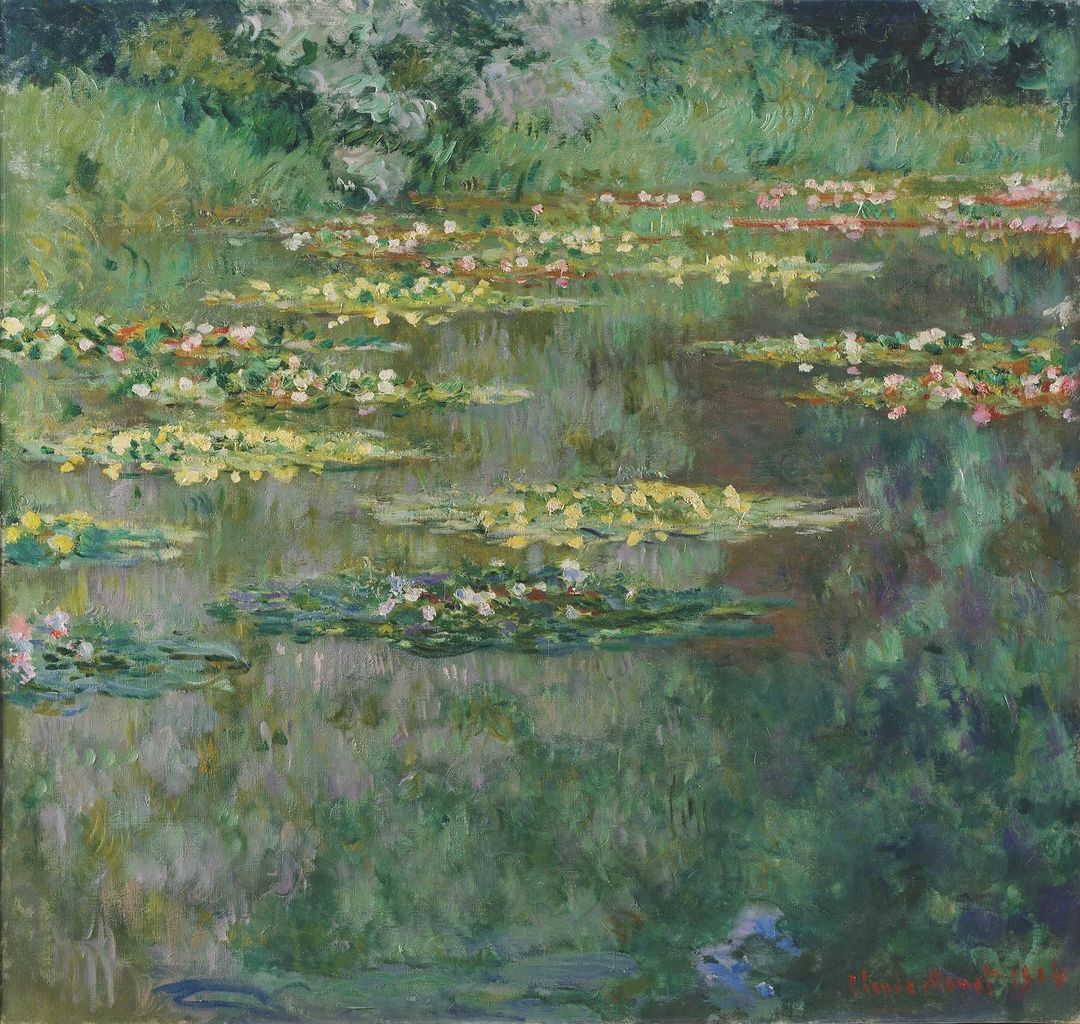
“I don’t believe I shall ever leave Giverny.” – Claude Monet. “I would like to paint the way a bird sings.” – Claude Monet. “The richness I achieve comes from nature,...
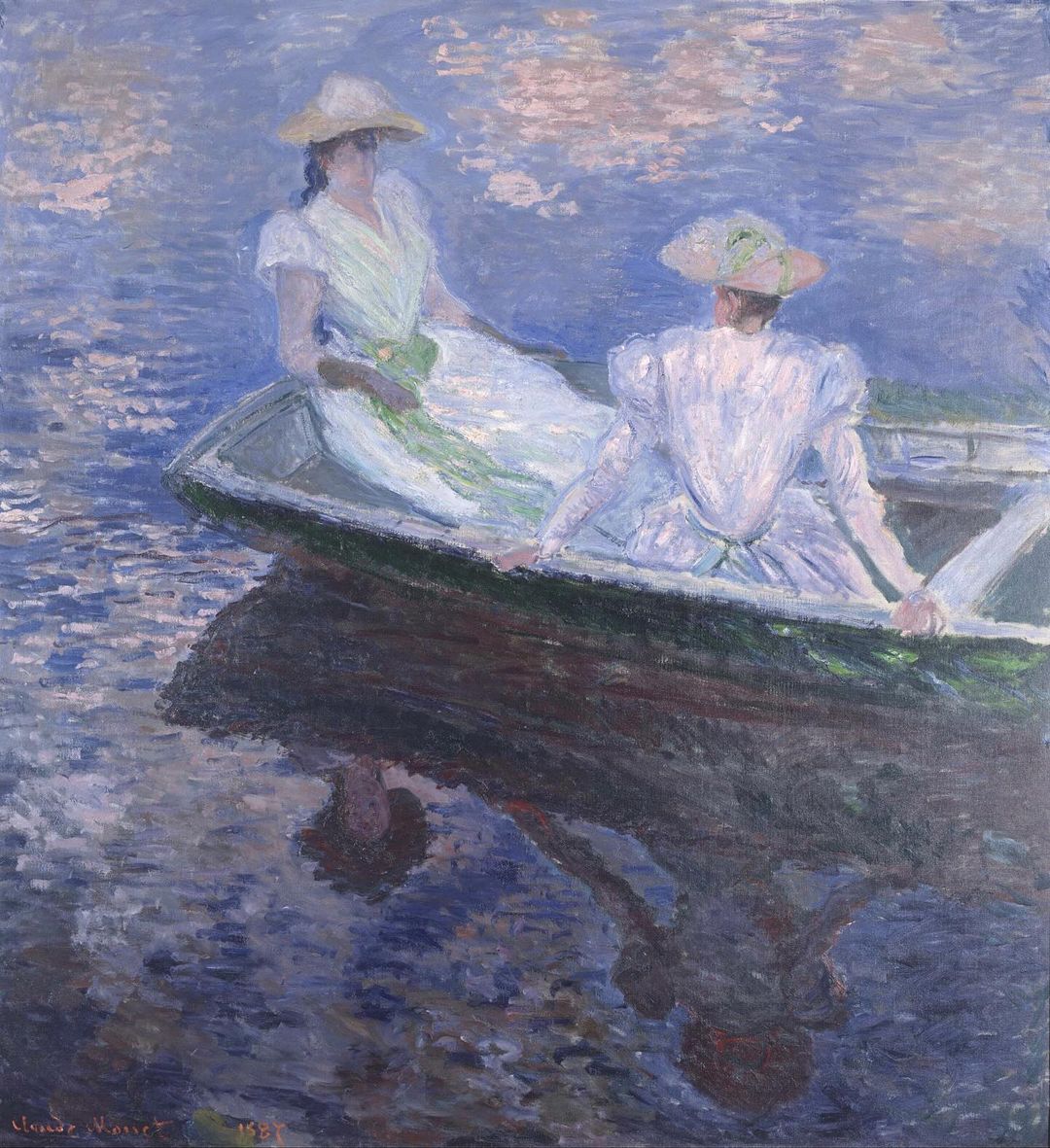
Claude Monet (1840—1926) painted several images of his family boating along the Epte River, just before he finally settled in Giverny. This work is one of the most...
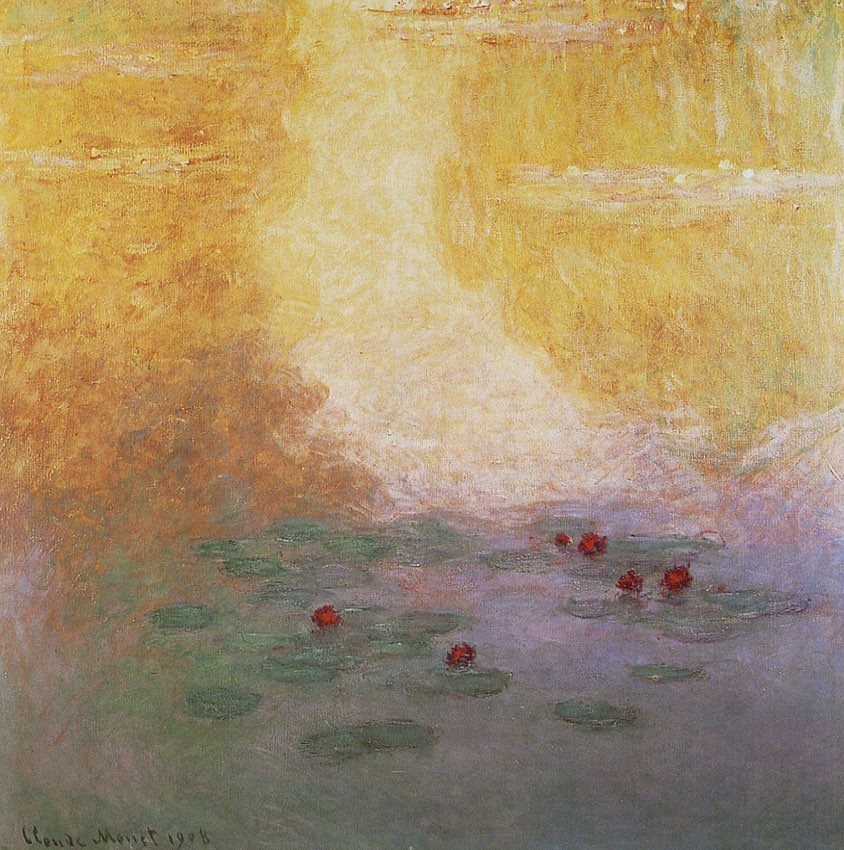
Claude Monet “spends 40,000 francs a year on this Garden of Eden.” The garden in Giverny was “the only major luxury that Monet allows himself,” thought Jean Lorrain in...
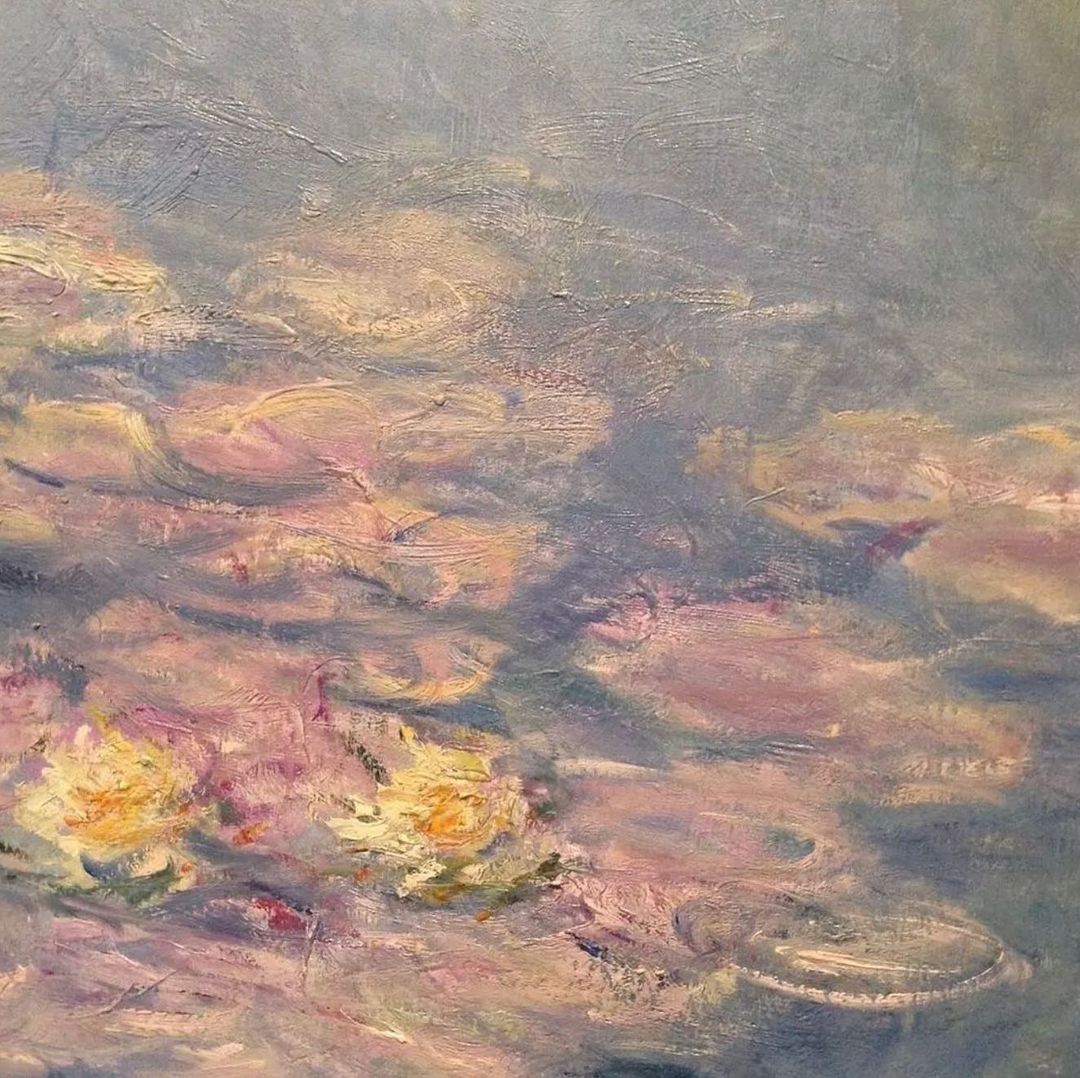
"Color is my daylong obsession, joy, and torment." — Claude Monet. Claude Monet, Water Lilies (detail with filter), 1908, Dallas of Art, USA. Source: Pinterest.
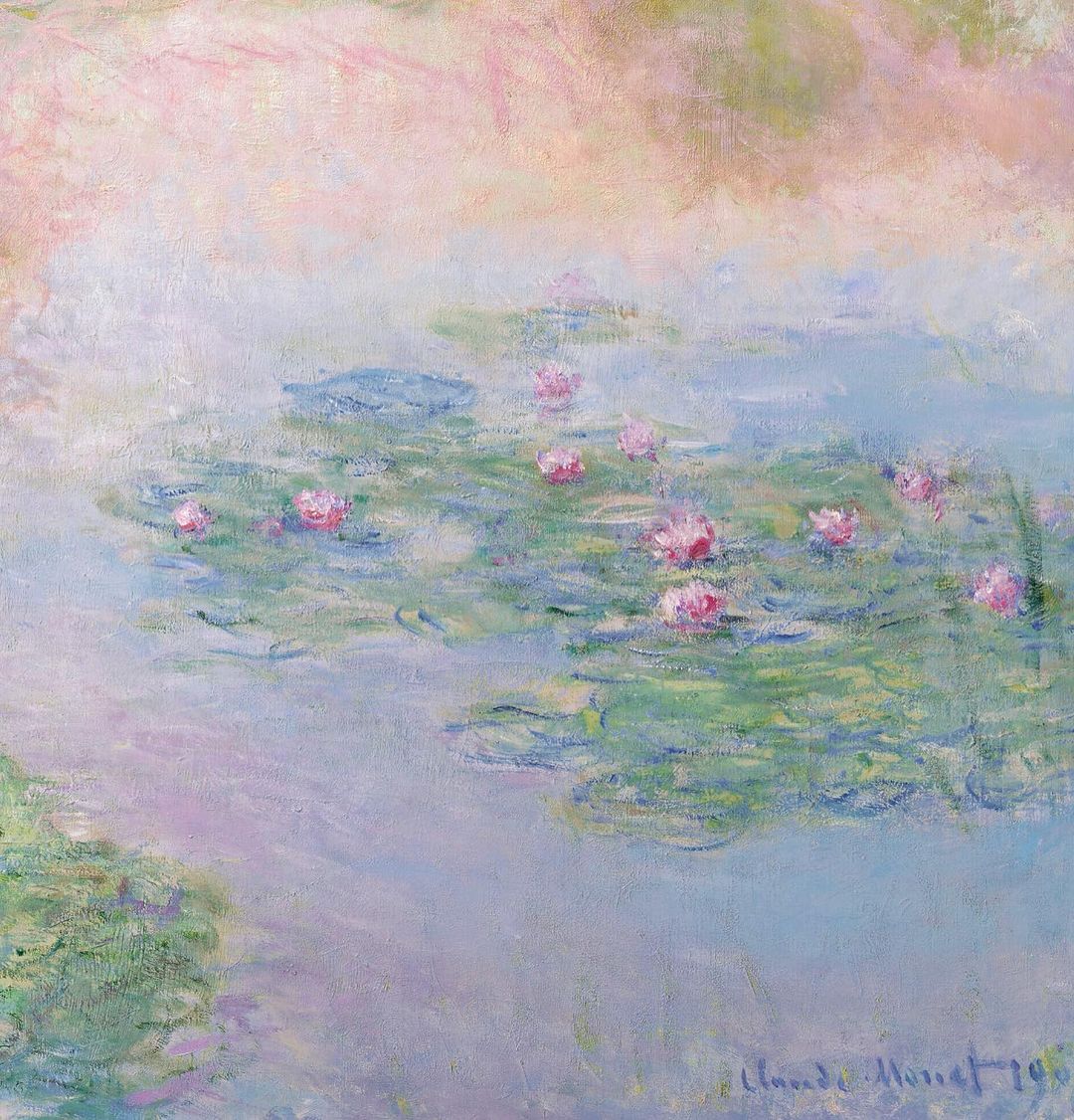
Claude Monet’s “Nymphéas” realised $56,495,000 tonight as a top lot in Collection of Anne H. Bass, who was a leading philanthropist and a generous patron of the arts,...
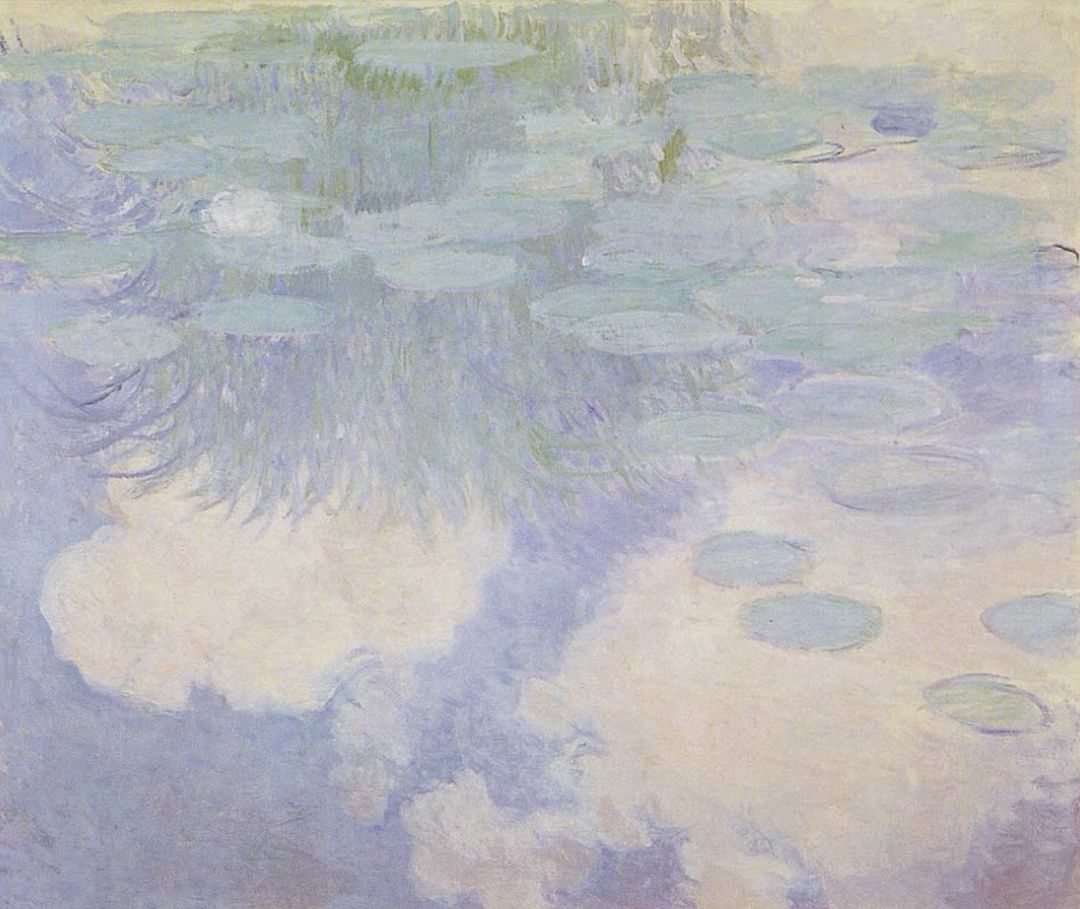
Impressionist Claude Monet (1840—1926) explored the depths of life and of painting in the reflections on the water, in its endless flow, in the ceaselessly dissolving...
Claude Monet 💜
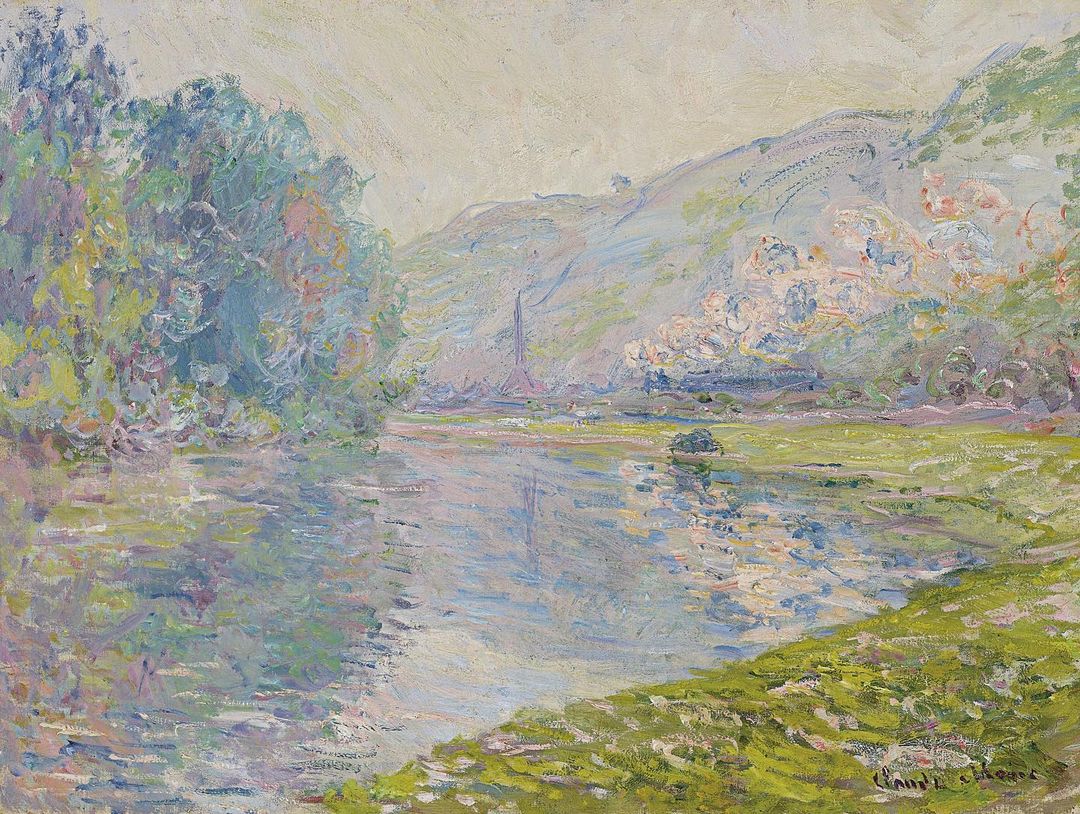
In early September 1884, during his second year living and painting at Giverny, Claude Monet (1840—1926) took his studio-boat for a short trip upstream on the Seine to...
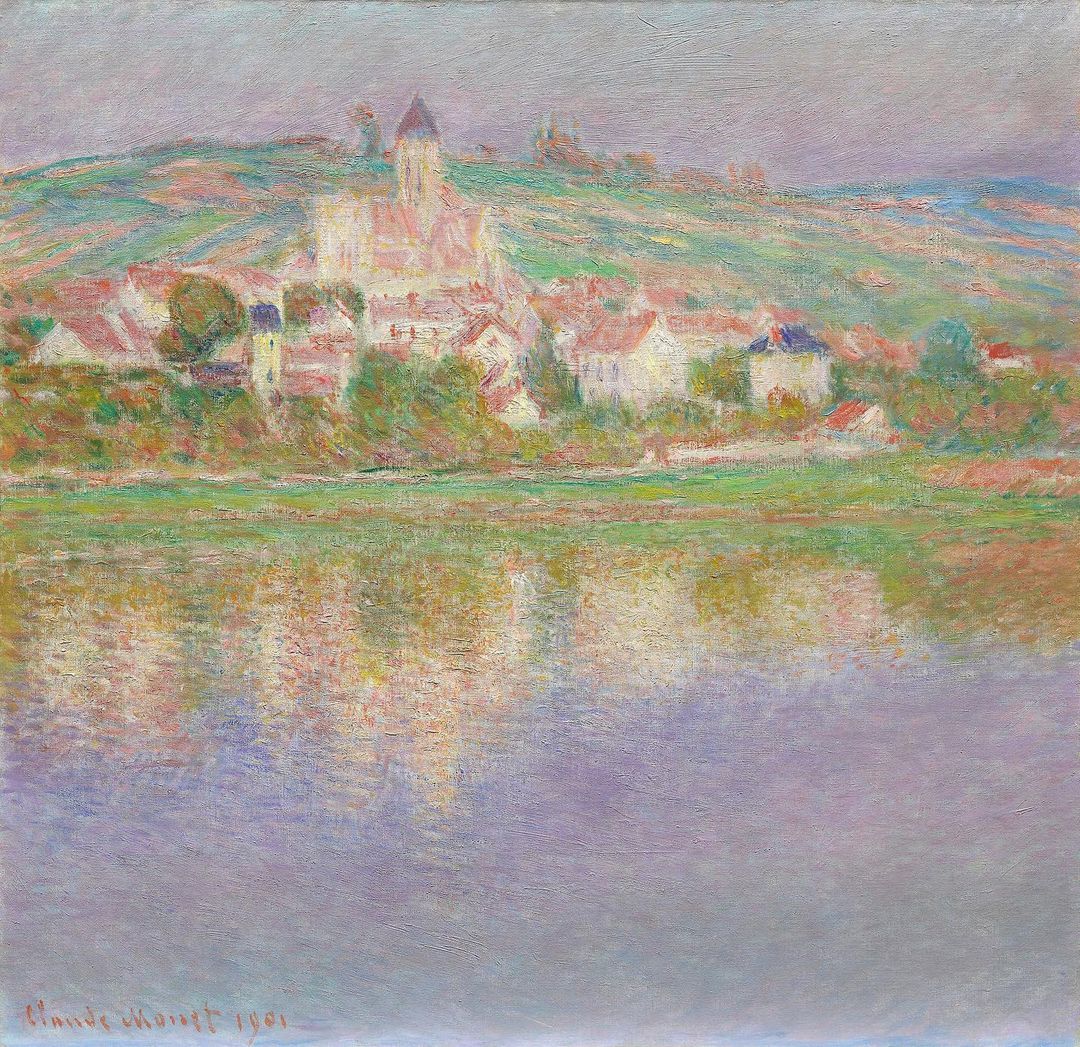
In summer 1901 Claude Monet (1840—1926) rented a modest house in Lavacourt, a small hamlet across the Seine from Vétheuil and not far from his property at Giverny, which...
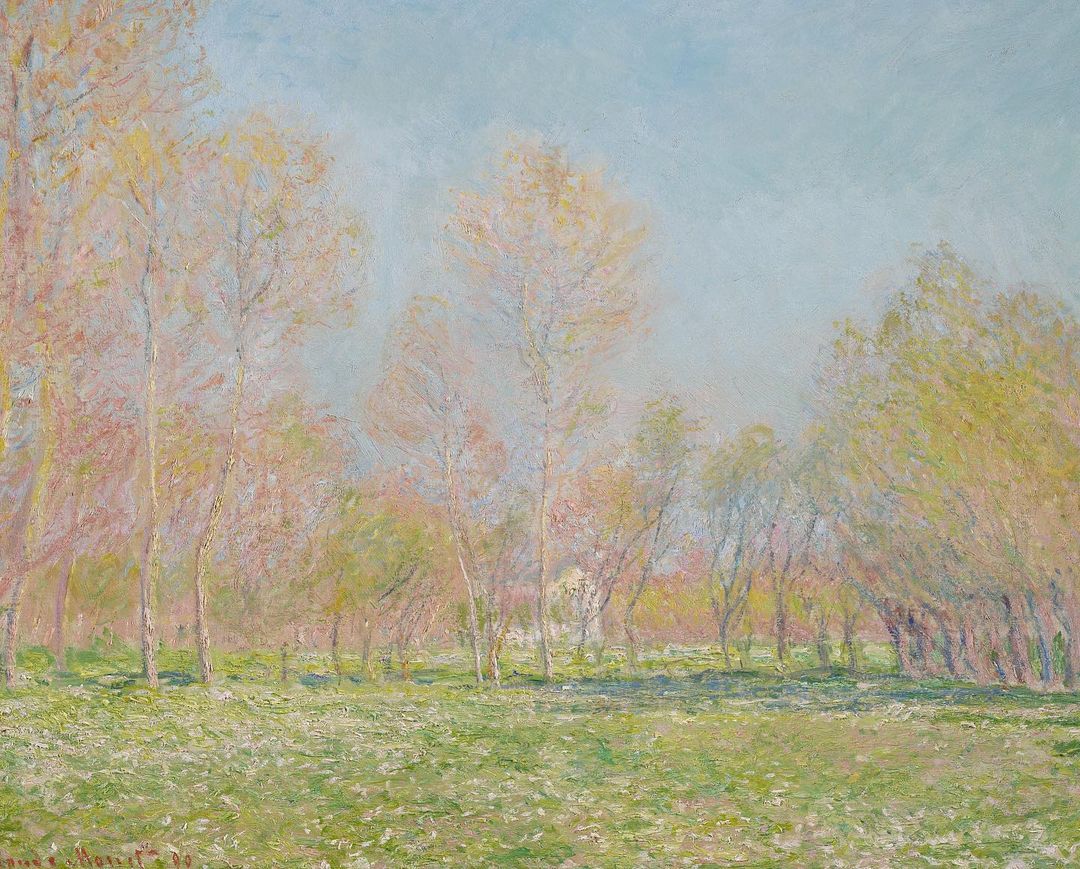
In 1883, Claude Monet (1840—1926) moved to Giverny, a small village northwest of Paris, where he cultivated his famous garden and painted the surrounding countryside....
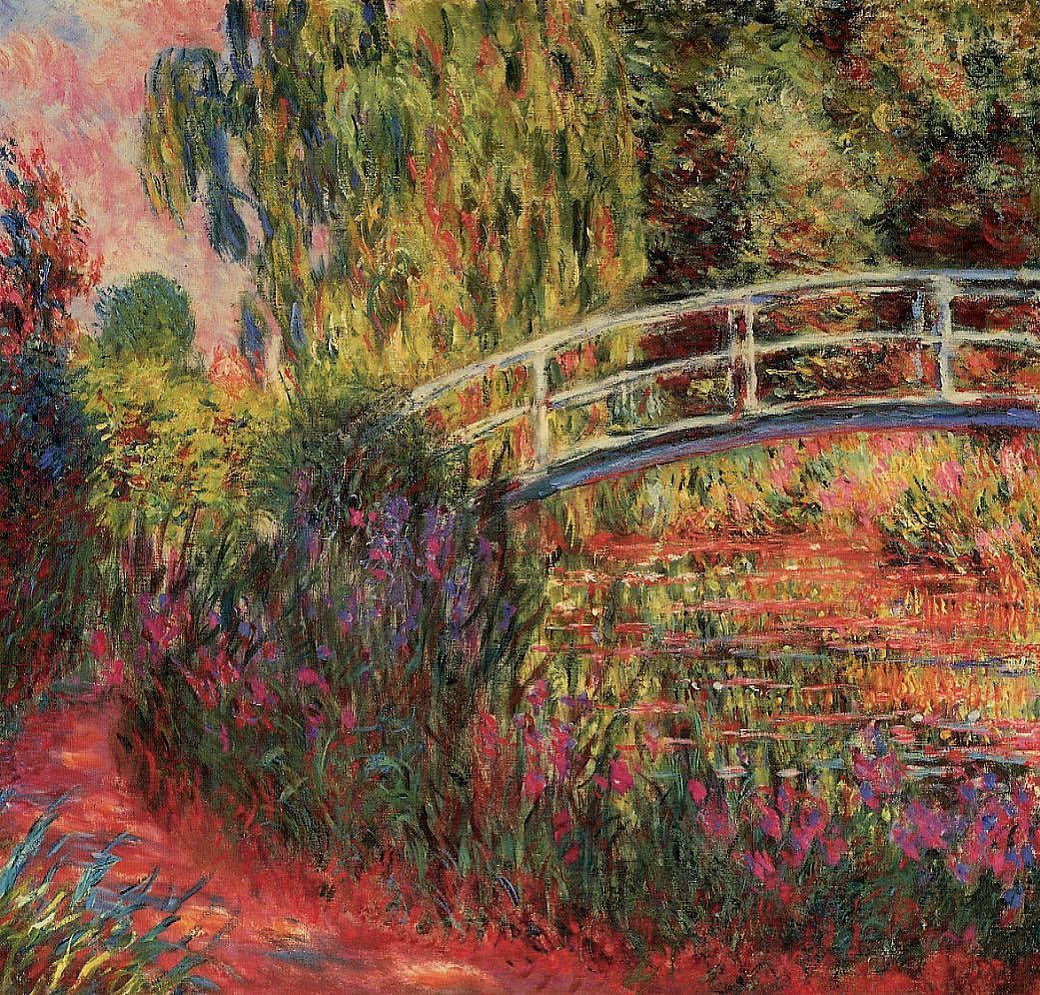
Claude Monet (1840—1926), like many other impressionist artists, had a deep interest in Japanese art. Its novelty and sophistication fascinated many Europeans. It was a...
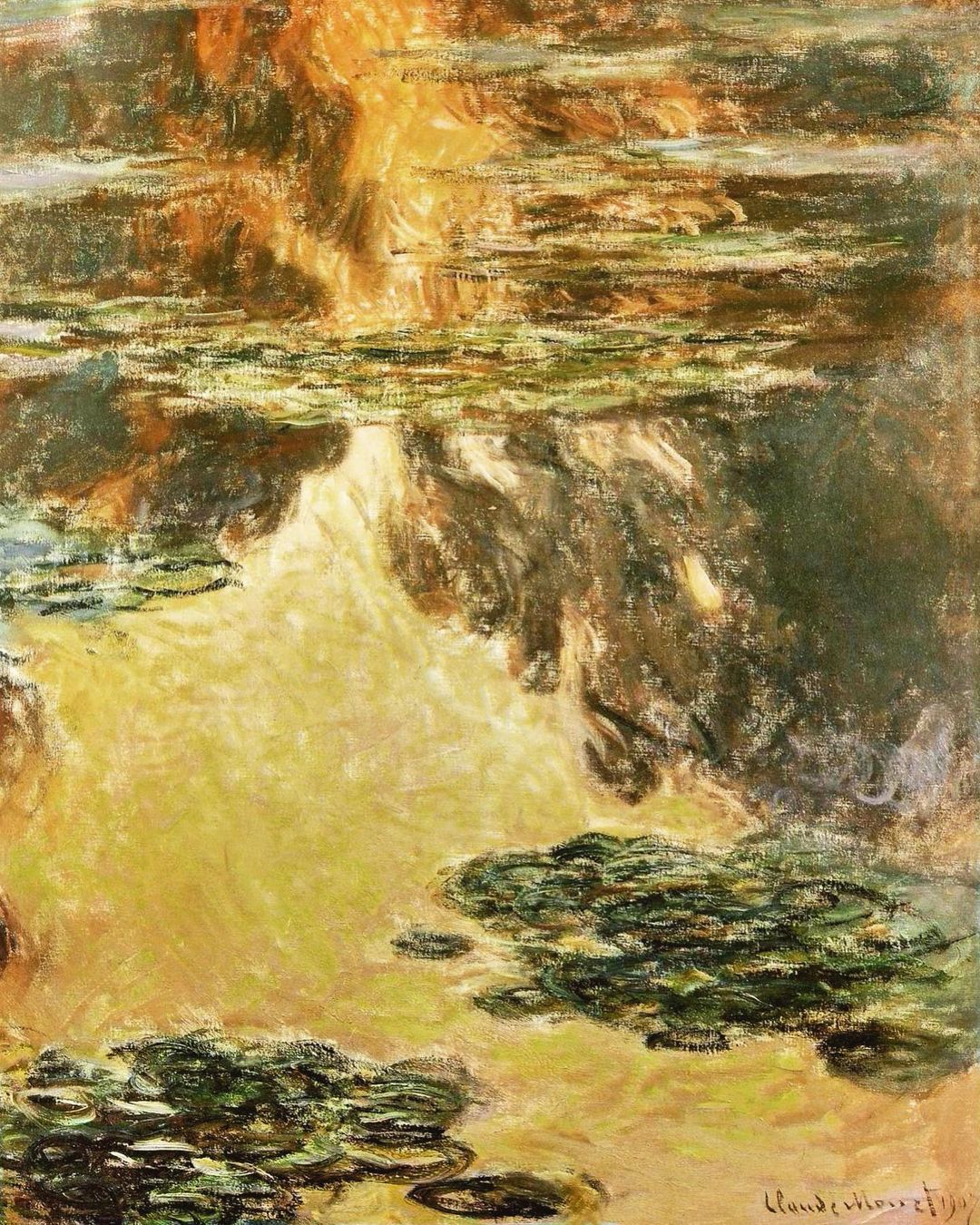
"Color is my daylong obsession, joy, and torment." — Claude Monet. Claude Monet, Water Lilies, 1907, Musée Marmottan-Monet, France @museemarmottanmonet_ Source:...
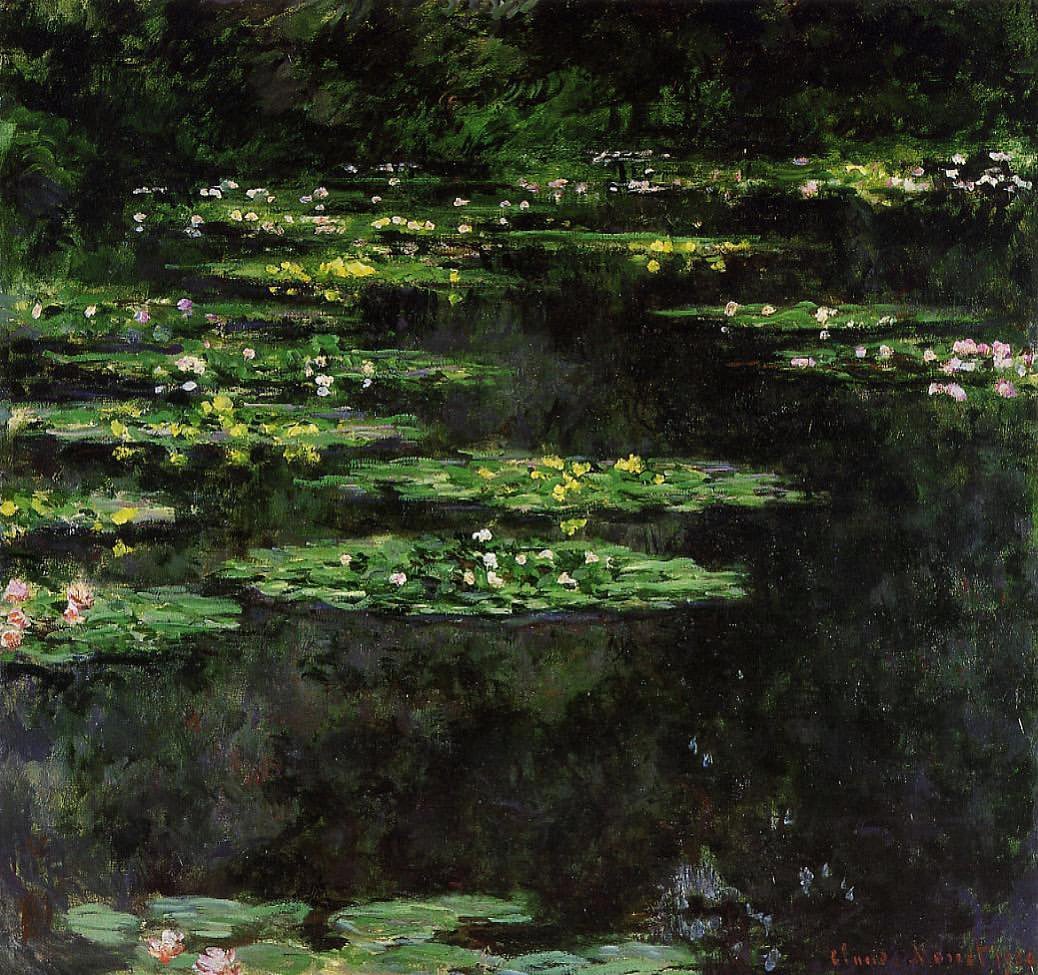
This square painting emphasises the decorative potential of colour. The framing eliminates almost all topographical reference to convey the infinite in perpetual motion....
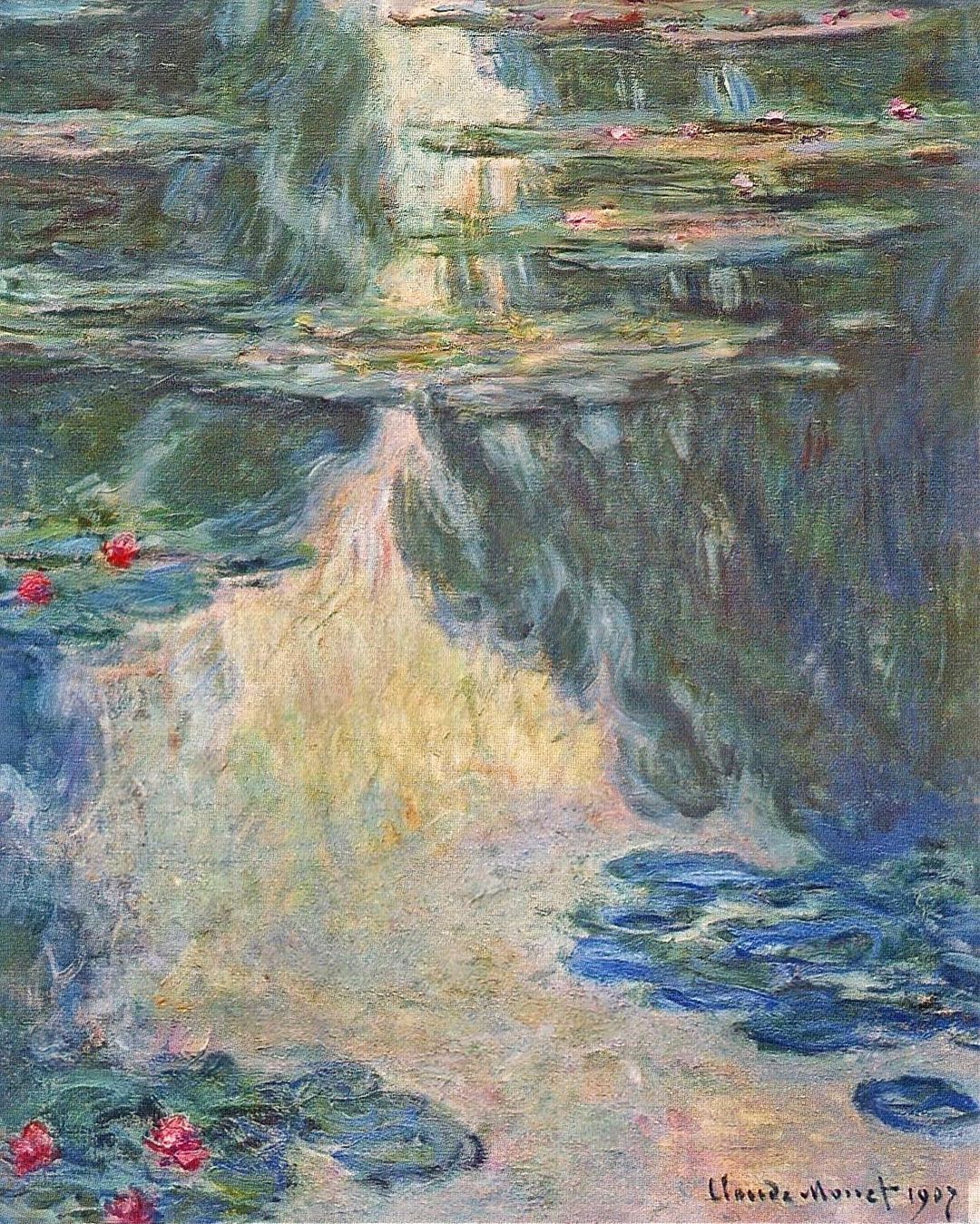
In 1893, Claude Monet (1840—1926) obtained, with difficulties from the local authorities, the permission to dig a basin in his Giverny garden. As soon as the work was...
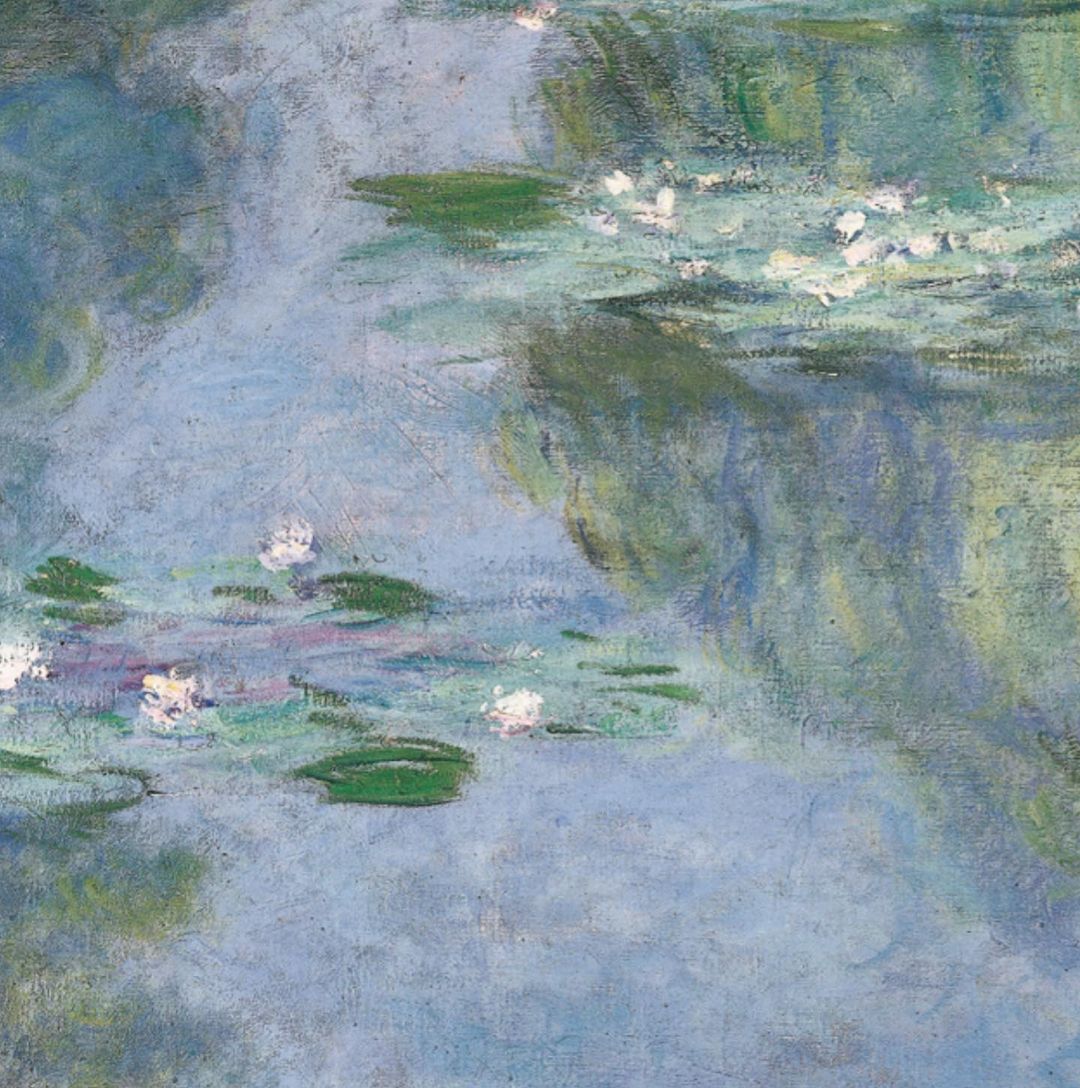
“I am in raptures; Giverny is a splendid place for me,” said Claude Monet, referring to his late masterpieces, the garden landscapes that he produced at his home in...
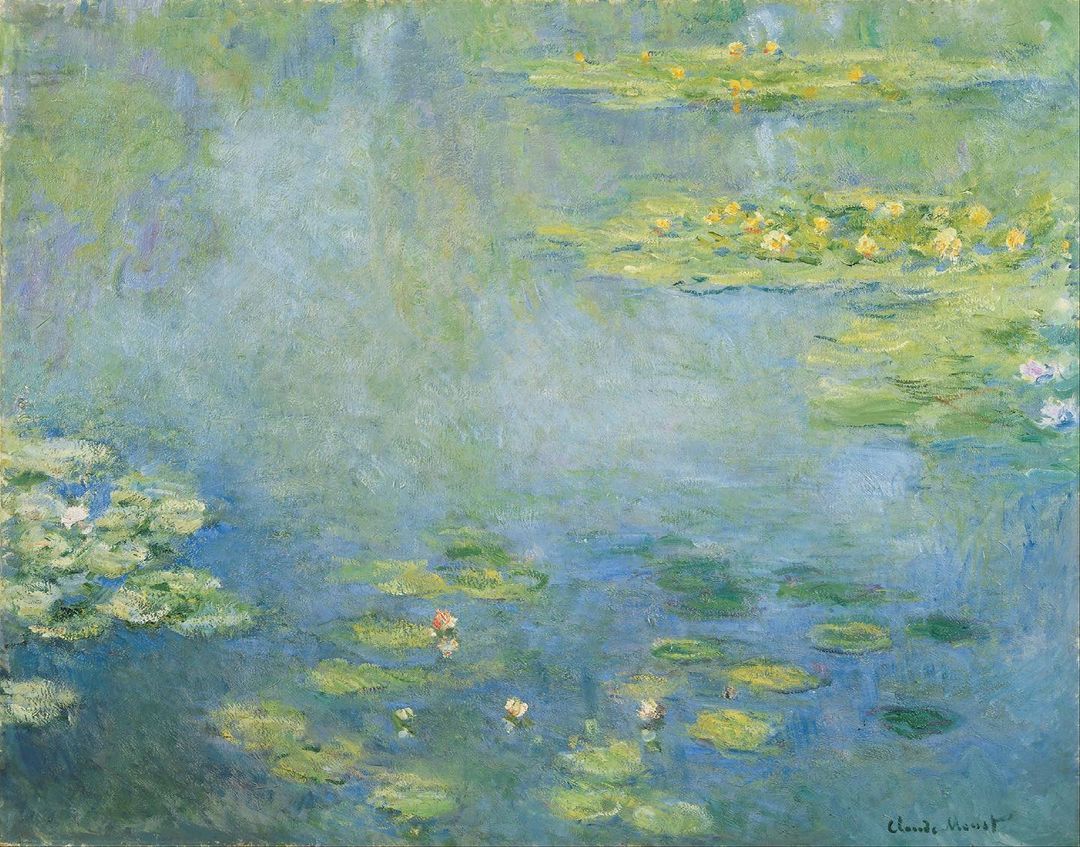
The theme of waterlilies, that became Claude Monet’s (1840—1926) most celebrated series of paintings, recorded the changes in his style and his constant pictorial...
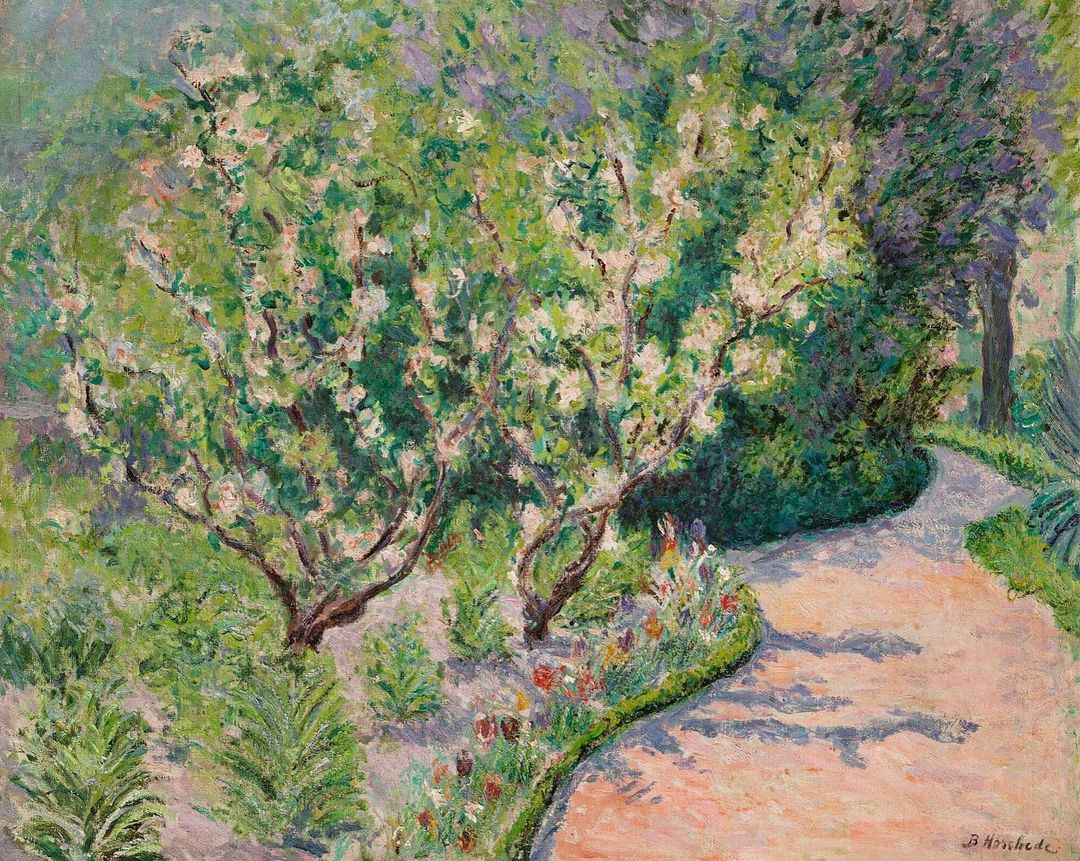
Garden of the artist (Giverny) painted by Blanche Hoschédé-Monet echoes the influence of her stepfather and father-in -law, Claude Monet. The vibrant composition, strong...
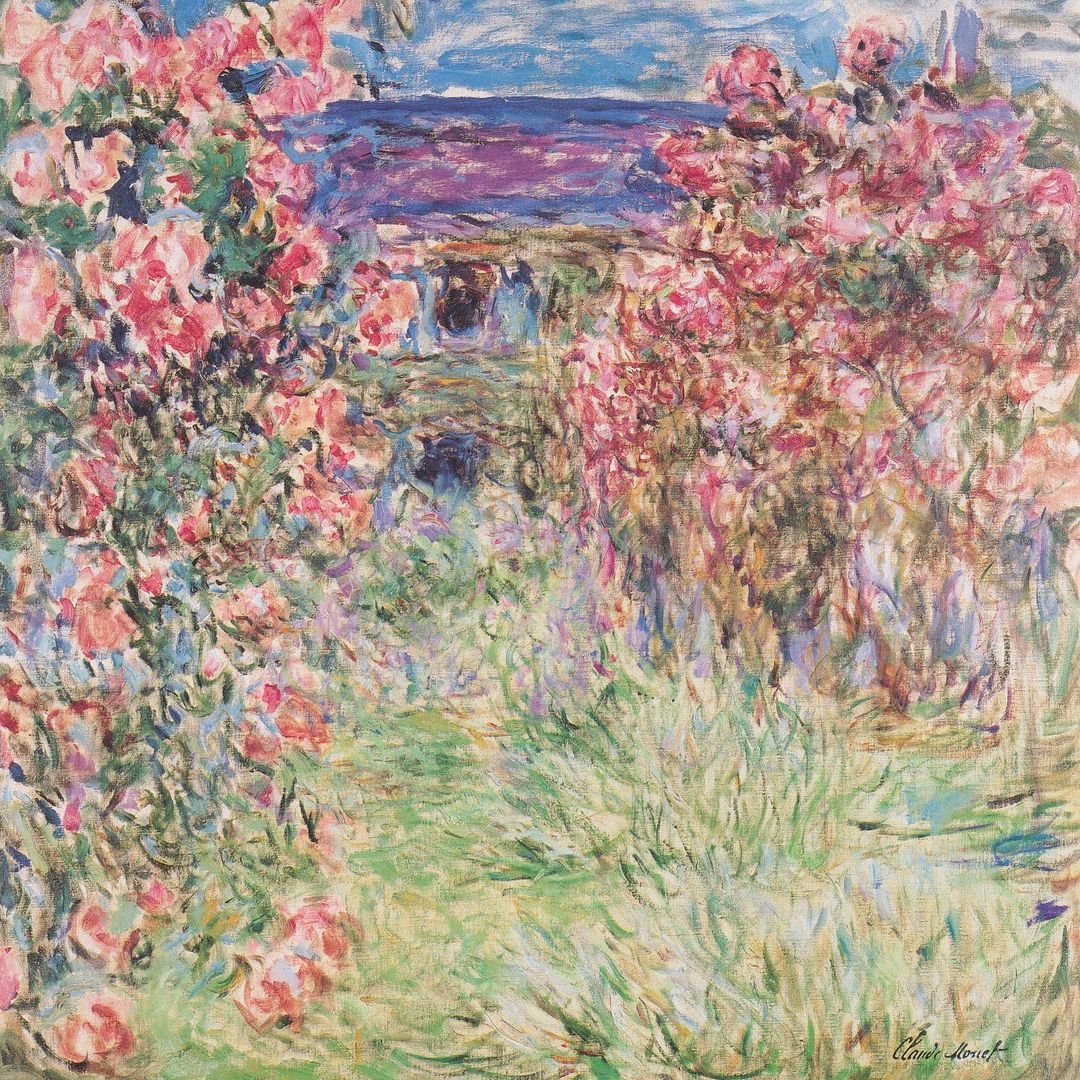
This painting depicts the front of the artist's house in Giverny seen from the garden. Claude Monet, who had been suffering from cataracts since 1912, was eventually...
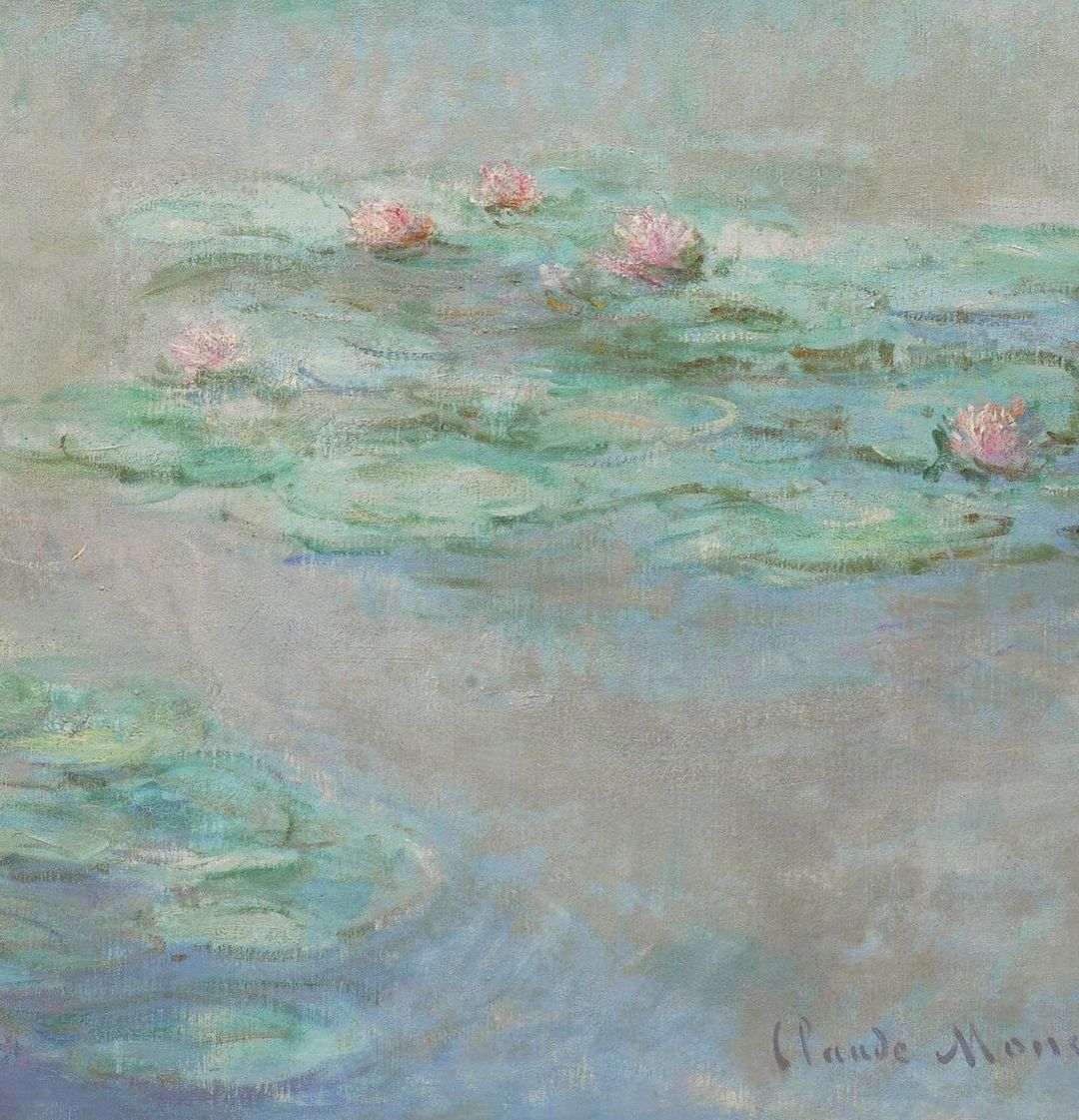
The theme of waterlilies, that became Claude Monet’s (1840—1926) most celebrated series of paintings, recorded the changes in his style and his constant pictorial...
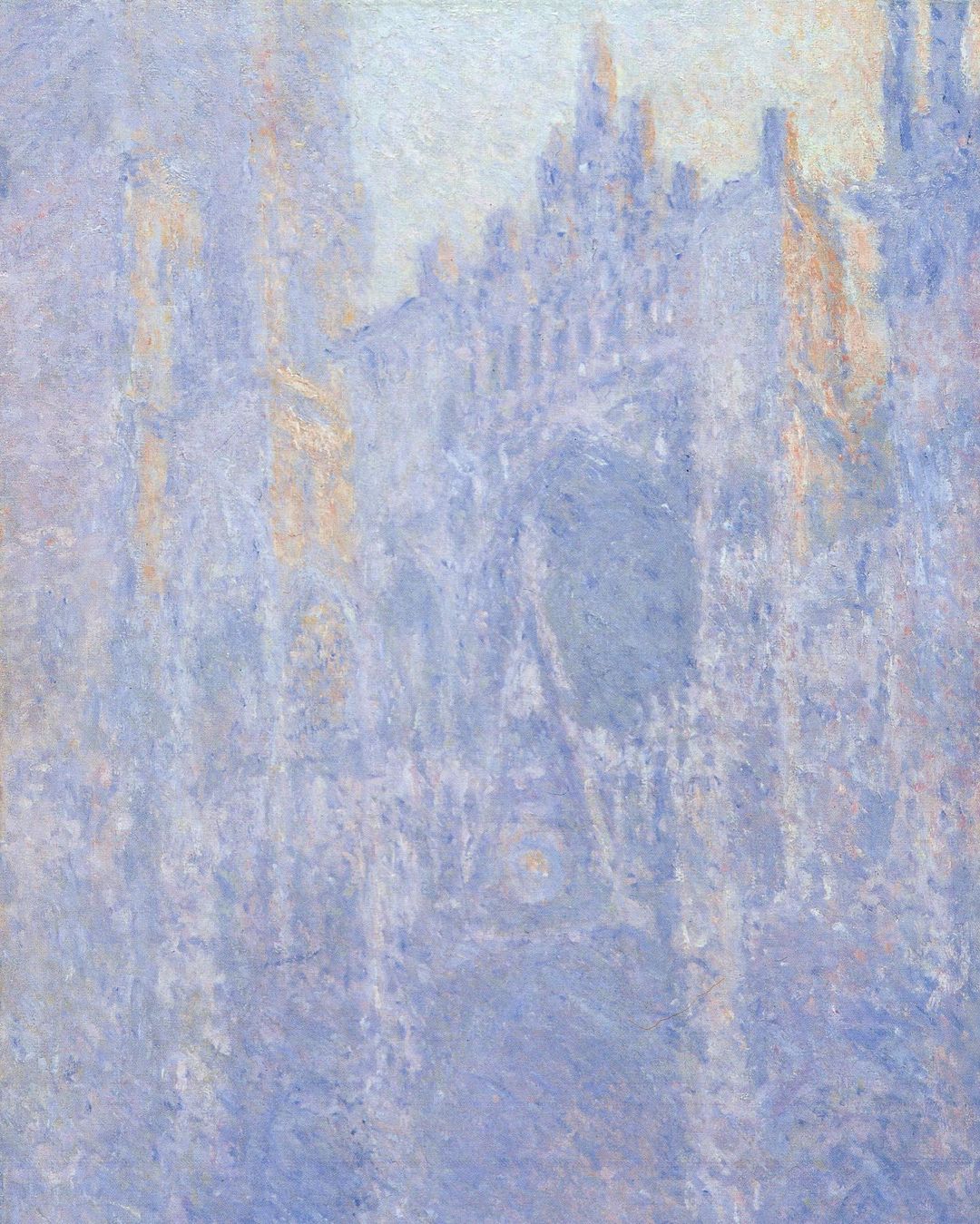
Claude Monet (1840—1926) painted more than thirty views of Rouen Cathedral in 1892–93. Moving from one canvas to another as each day progressed, he painted the facade...
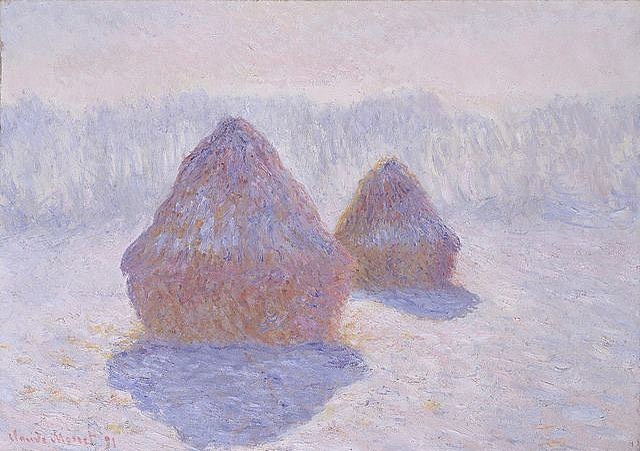
Between 1890 and 1891 Monet devoted some thirty paintings to the haystacks in a field near his house at Giverny. In the midst of this effort, he wrote to the critic...
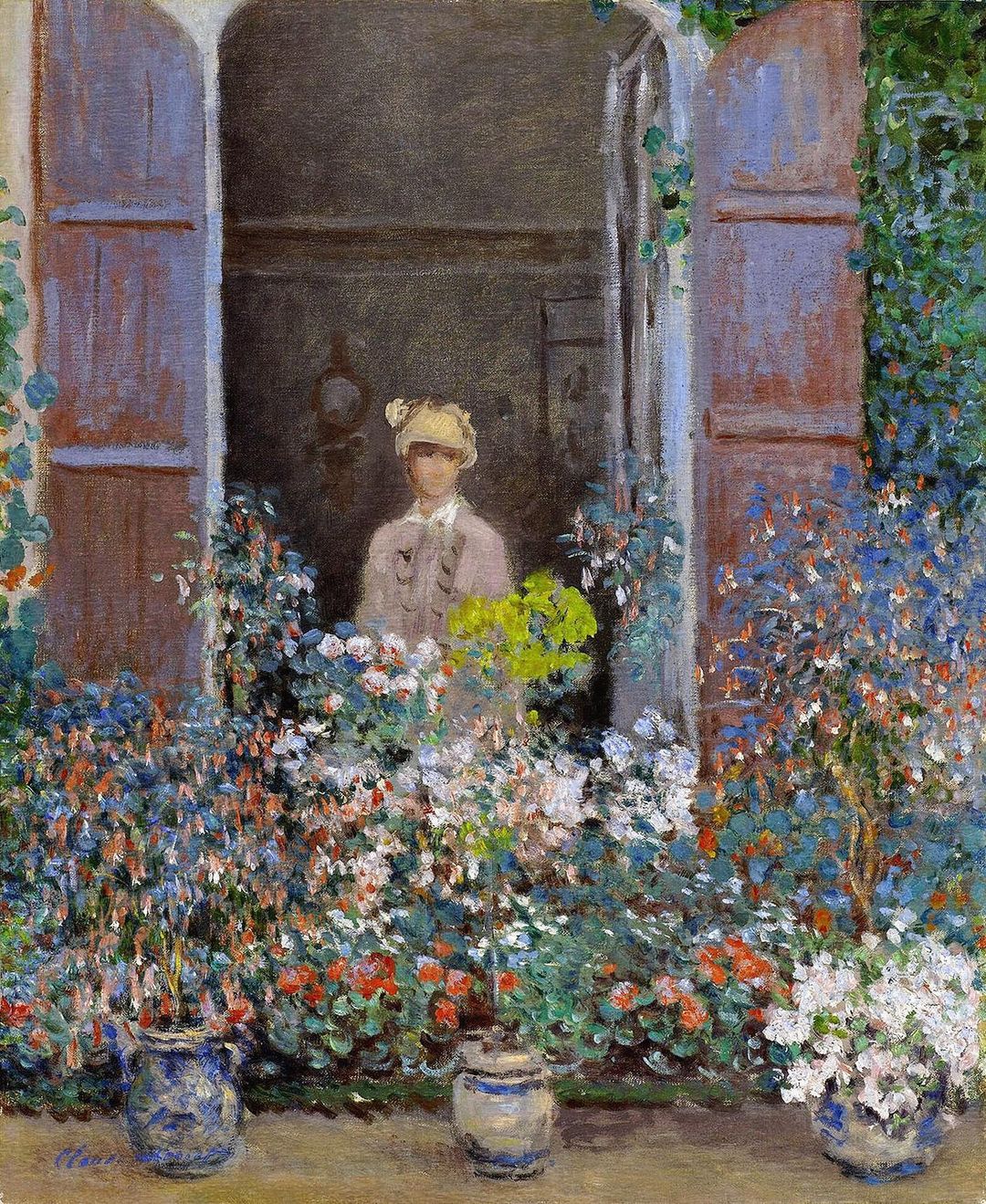
In December 1871, Claude Monet and his wife, Camille Donacieux, moved to Argenteuil, a growing Parisian suburb on the Seine. They rented the house shown here (which...
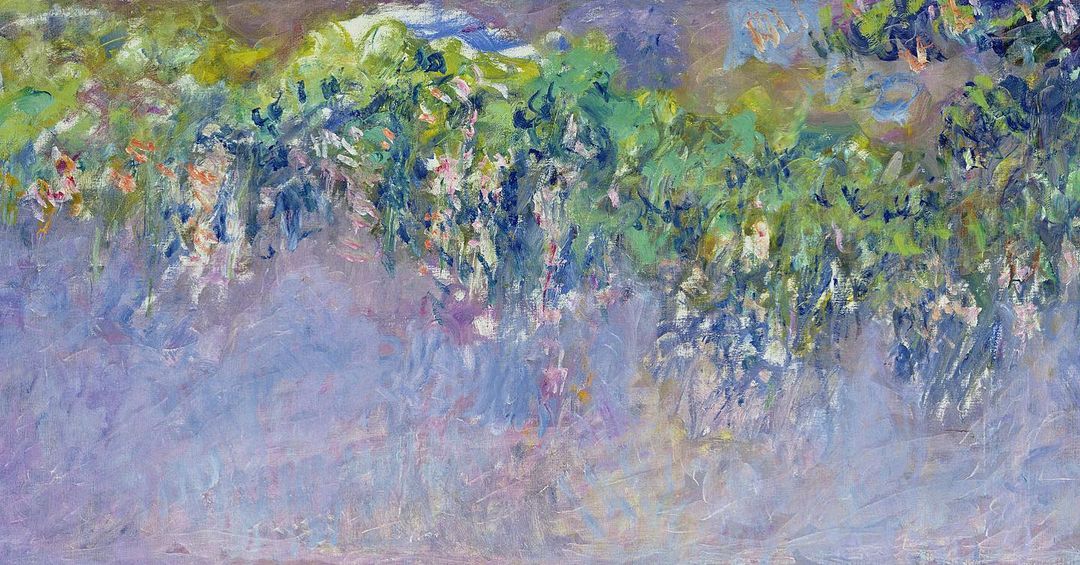
During the late period of his life, between 1917-20, Claude Monet (1840—1926) painted canvases representing the wisteria or glycine flowers. Claude Monet, Wisteria or...
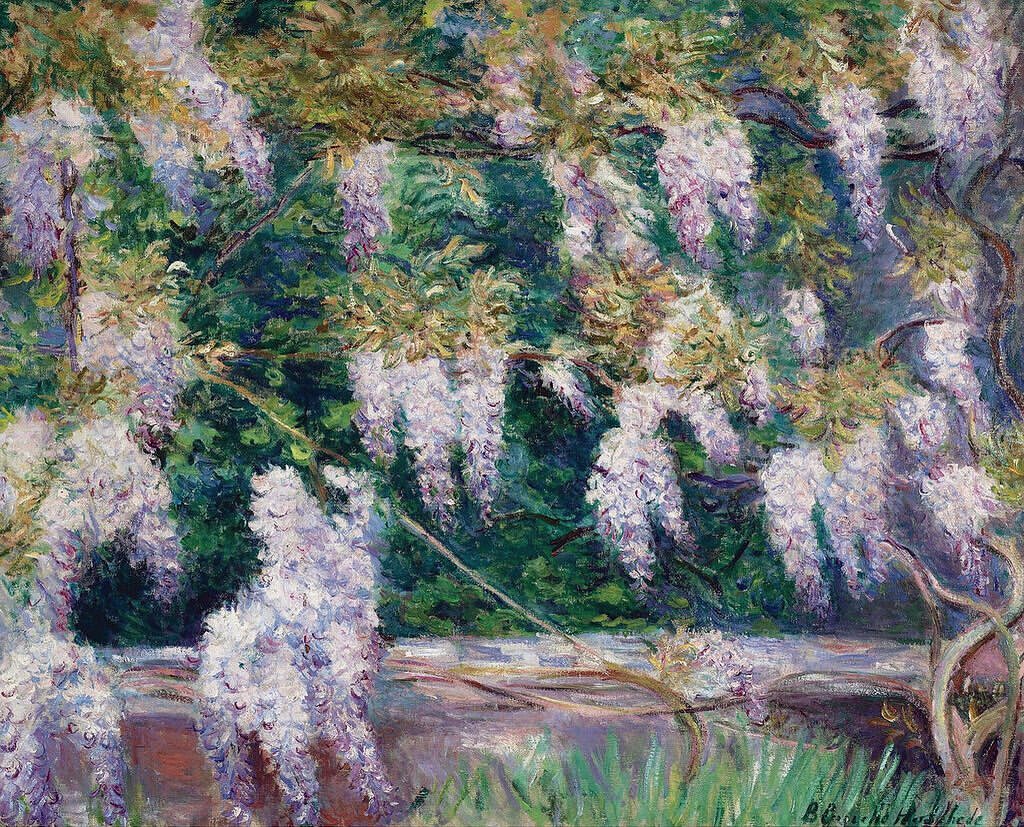
Blanche Hoschedé Monet (1865—1947) was immediately fond of Claude Monet. She was eleven when she discovered the art of painting. She obviously spent long hours in the...
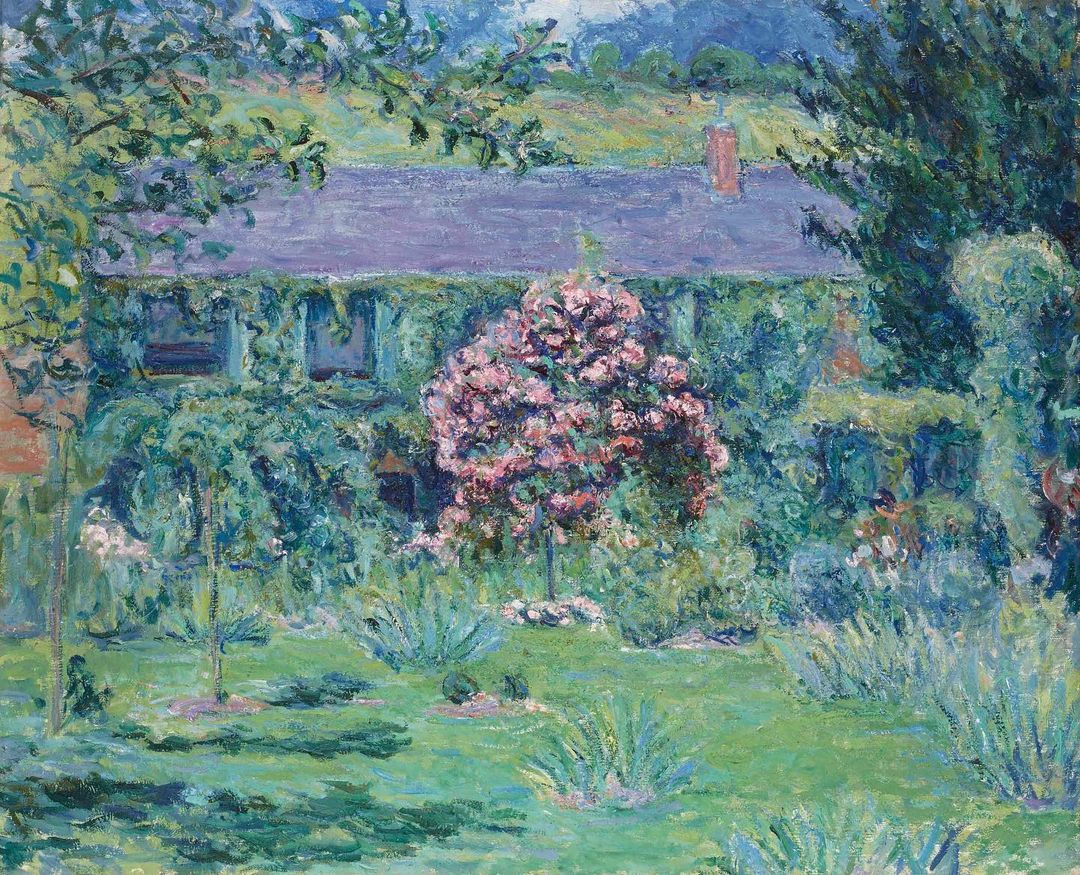
Remaining by Claude Monet’s bedside in Giverny until his death, Blanche Hoschedé Monet (1865—1947), his stepdaughter, became the guardian of both his iconic house and...
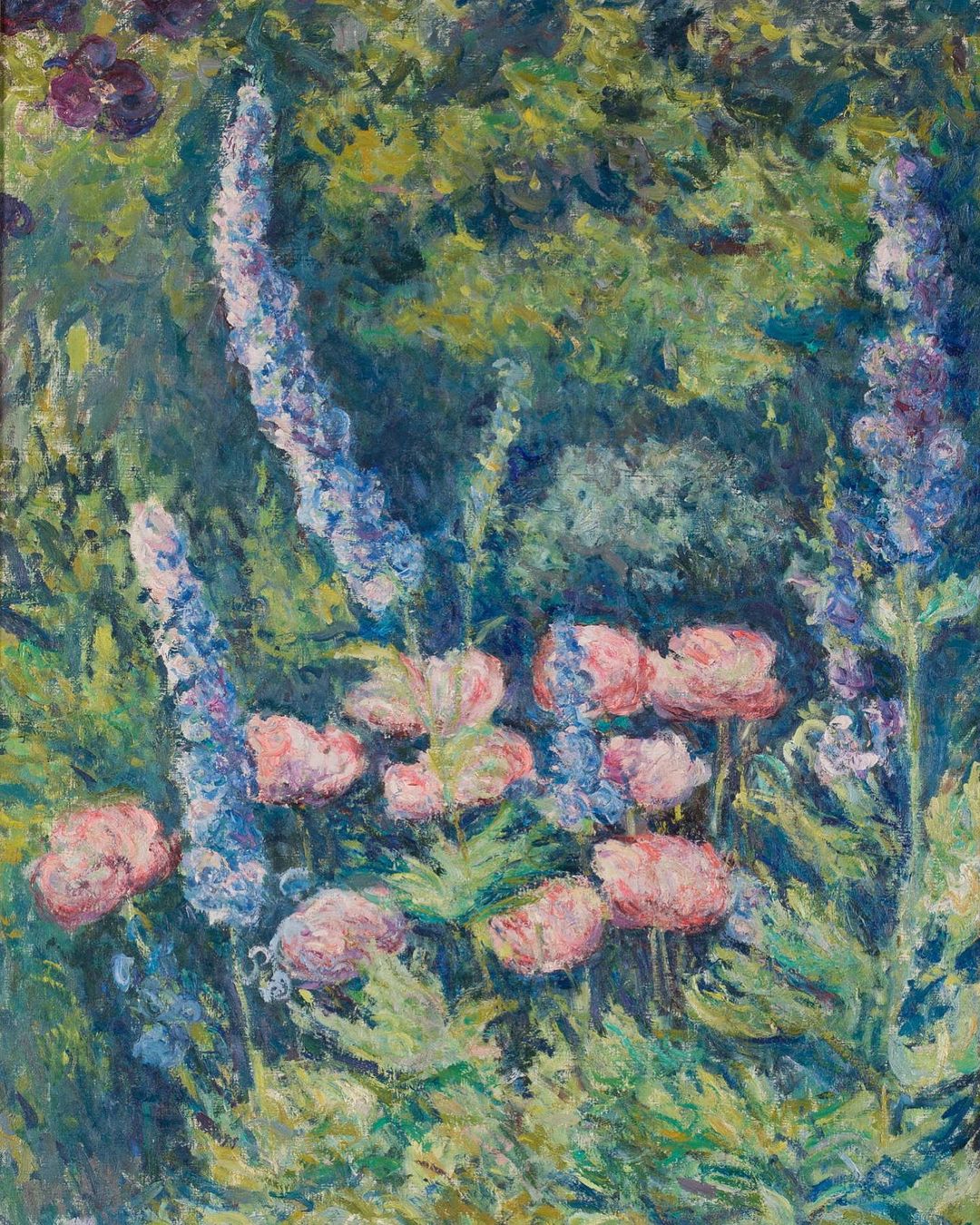
Blanche Hoschedé Monet (1865—1947) was a French painter who was both the stepdaughter and the daughter-in-law of Claude Monet. Most of Blanche's works were done in...
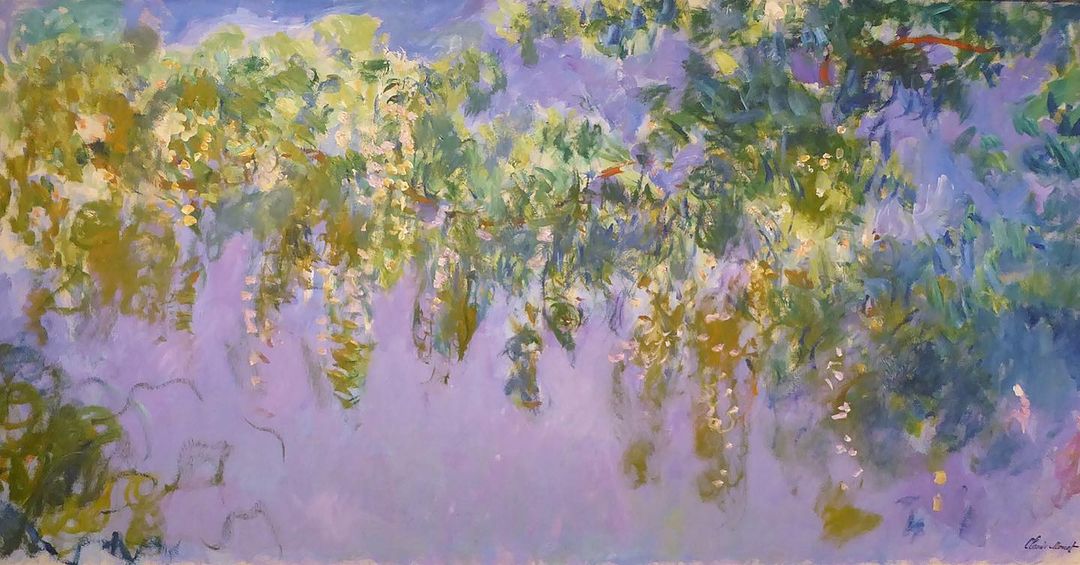
"I'm working very hard and I would like to paint everything before I cannot see anymore." — Claude Monet. Claude Monet, Wisteria or Glycines, c. 1919-20, Musée d'Art et...
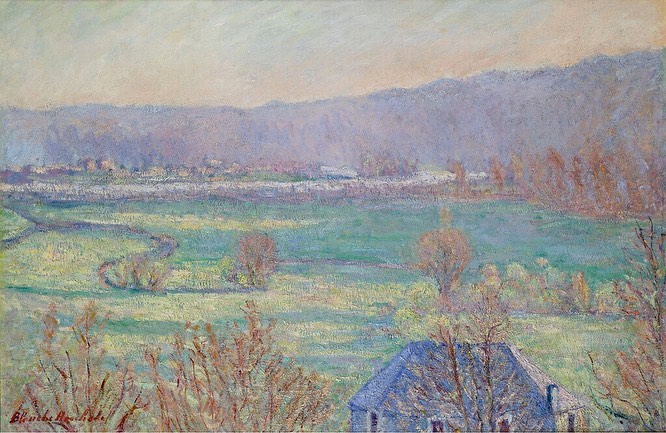
Blanche Hoschedé Monet (1865—1947) was born in Paris, November 10, 1865, the second daughter of Ernest and Alice Hoschede. Ernest was a business man but also an art...
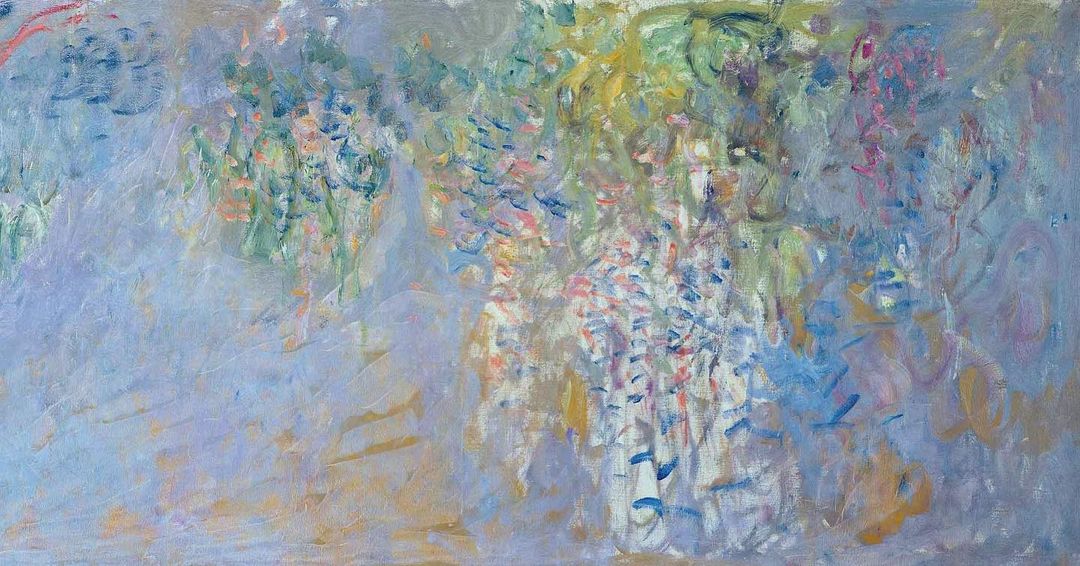
During the late period of his life, Claude Monet (1840—1926) painted canvases representing the wisteria or glycine flowers. The spring of 1914 was a turning point for...
чтобы продолжить