
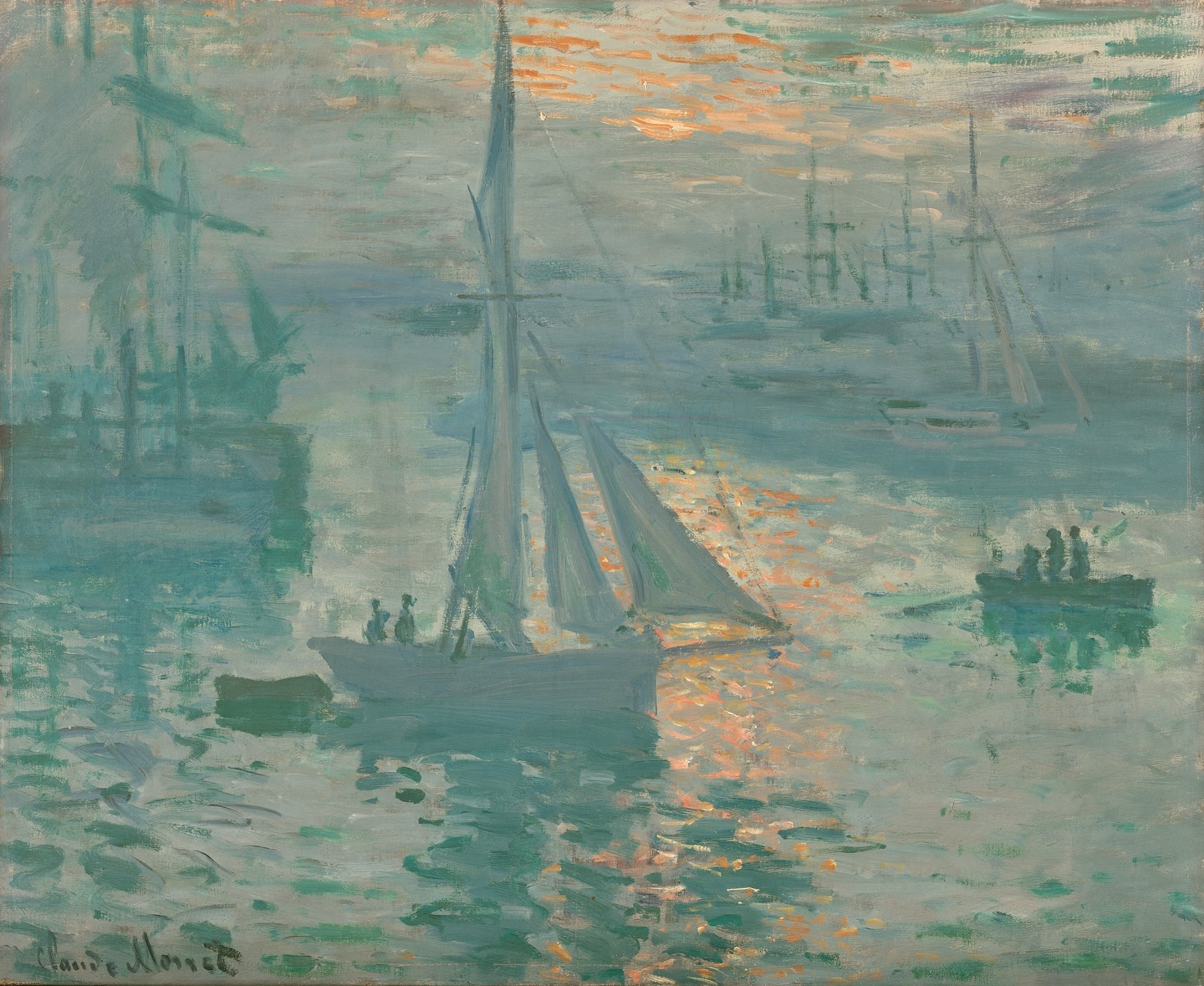
Sunrise (Marine) exemplifies Monet’s plein air, or “outdoor,” approach to painting. The informal and spontaneous brushstrokes establish this picture as one of the first...
Sunrise (Marine) exemplifies Monet’s plein air, or “outdoor,” approach to painting. The informal and spontaneous brushstrokes establish this picture as one of the first...
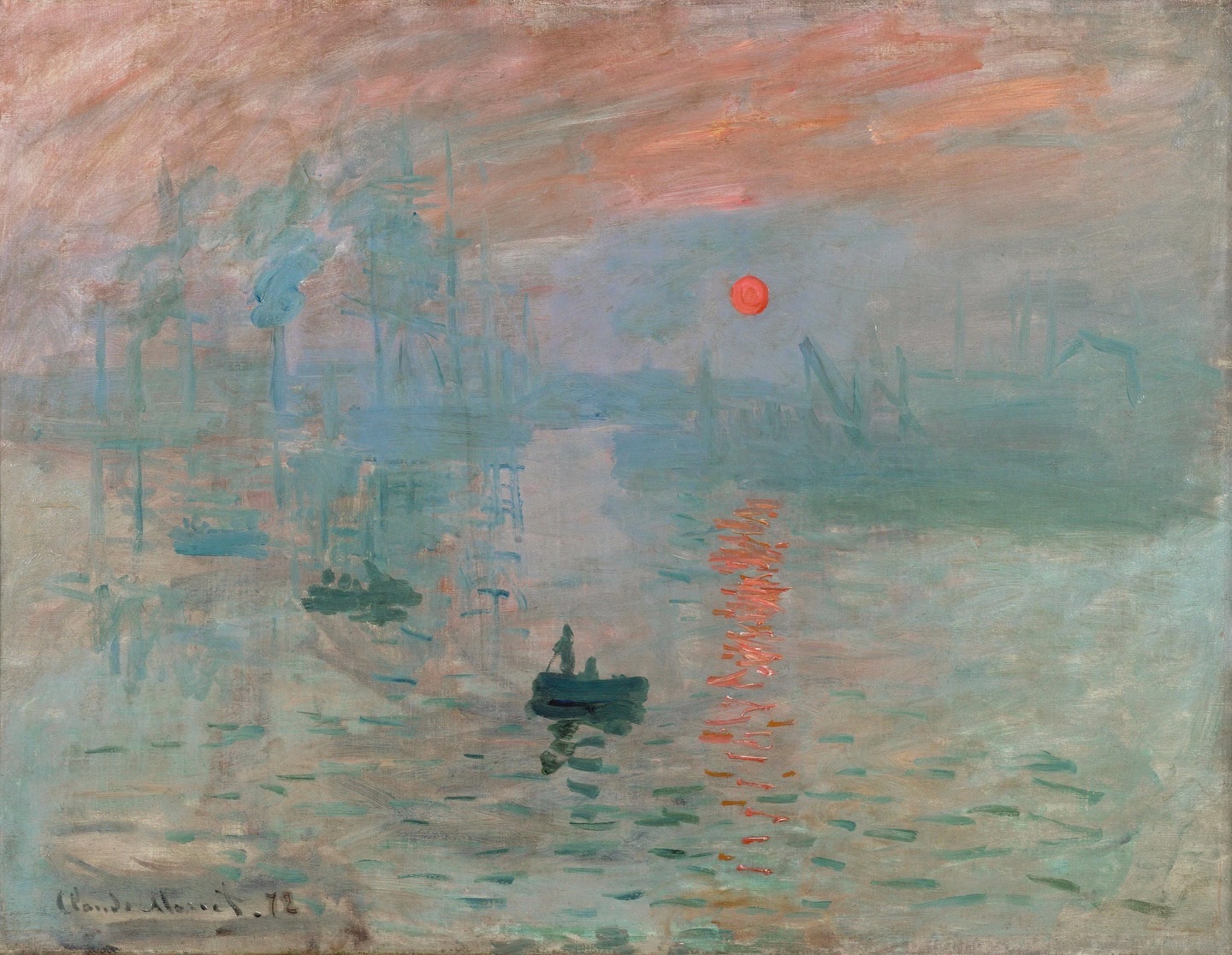
Claude Monet was an Influencer of his time. We have to thank him for the pleasure of radiant pictures, out-door paintings that still have an extraordinary power to...
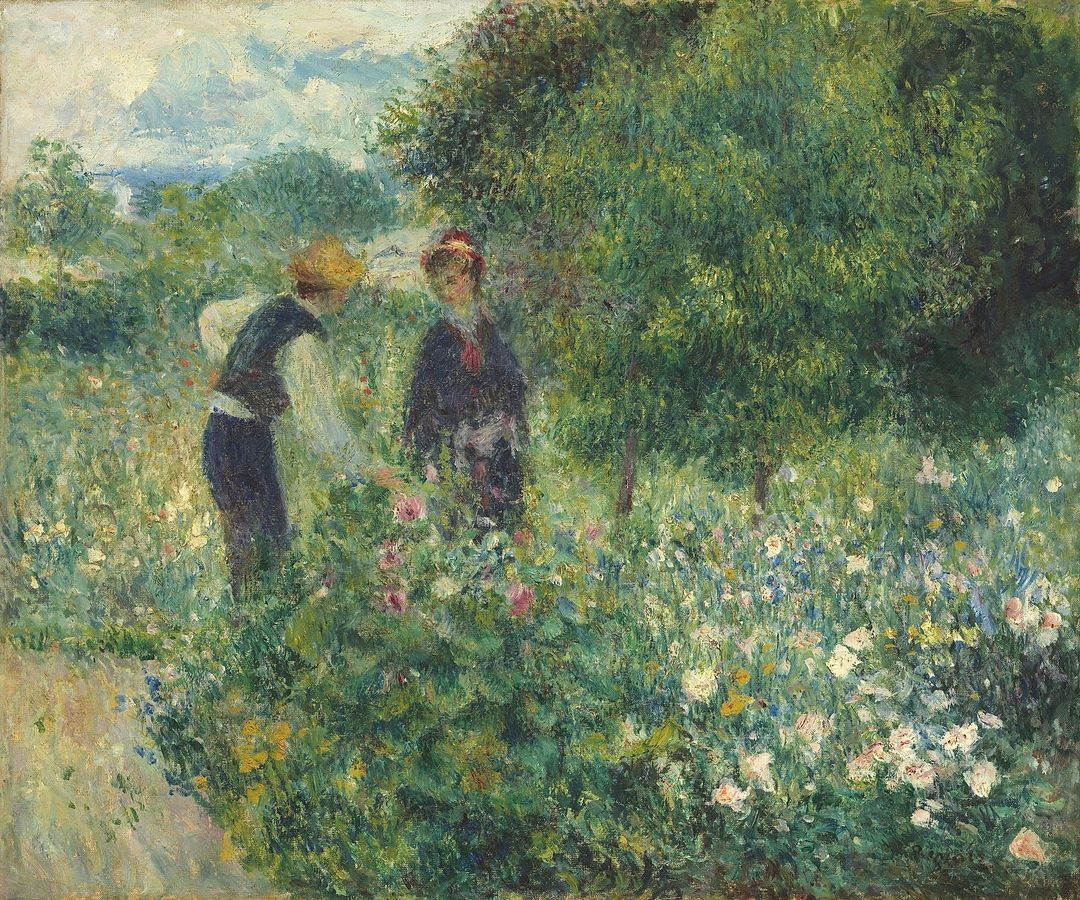
The artist signed the painting in the lower right, “Renoir.” In 1875, when this painting was made, Pierre-Auguste Renoir was 34 years old, and beginning to have some...
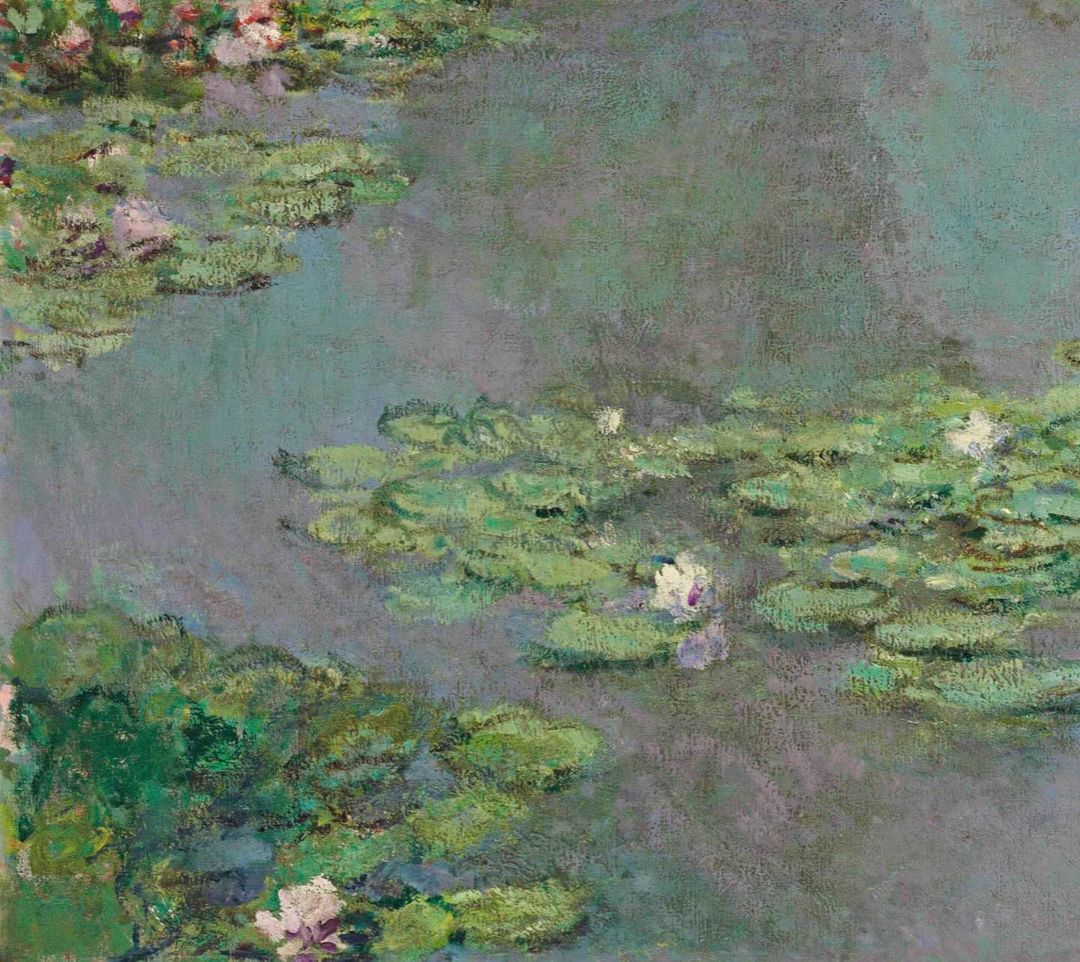
When the Nymphéas show finally opened at Durand-Ruel’s gallery in May 1909, it was an unqualified success. Forty-eight views of the lily pond (including this painting)...
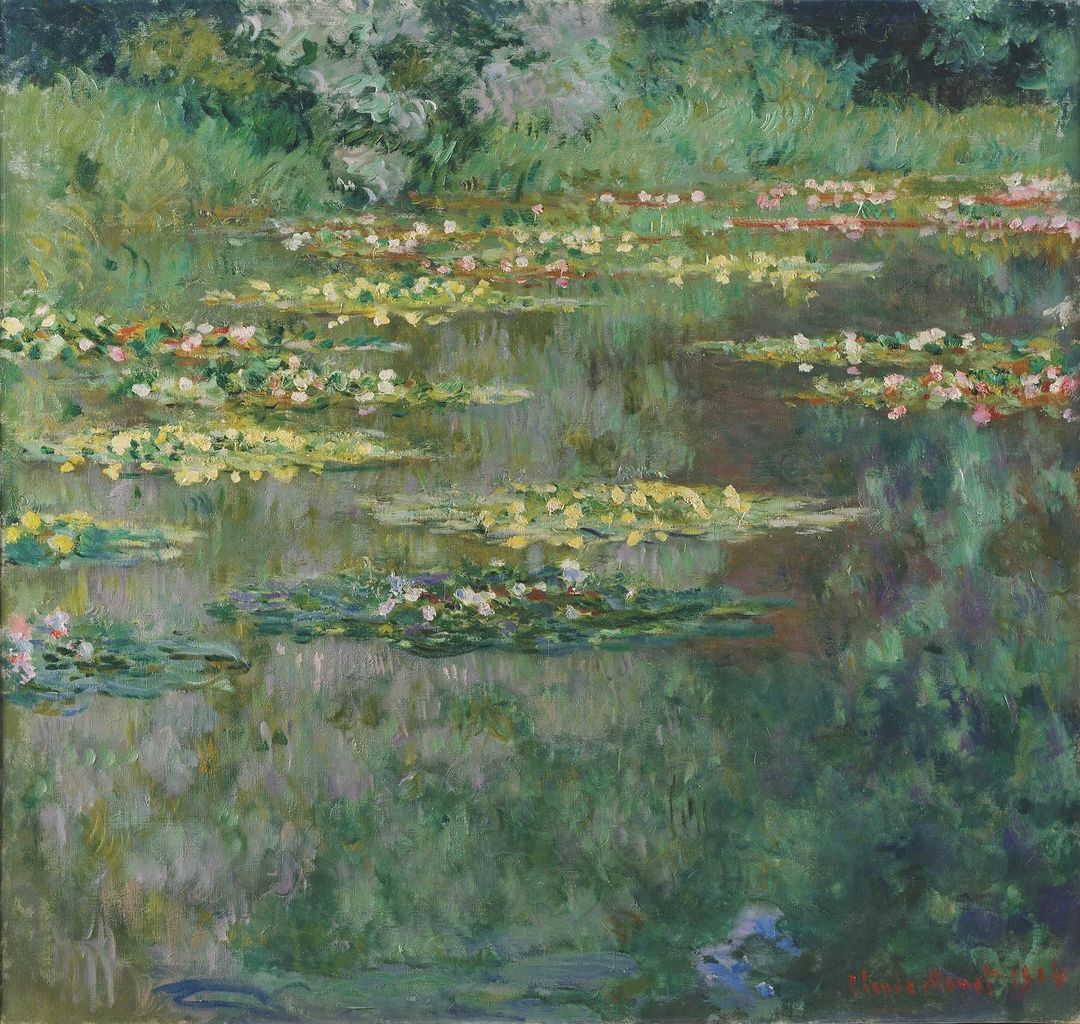
“I don’t believe I shall ever leave Giverny.” – Claude Monet. “I would like to paint the way a bird sings.” – Claude Monet. “The richness I achieve comes from nature,...
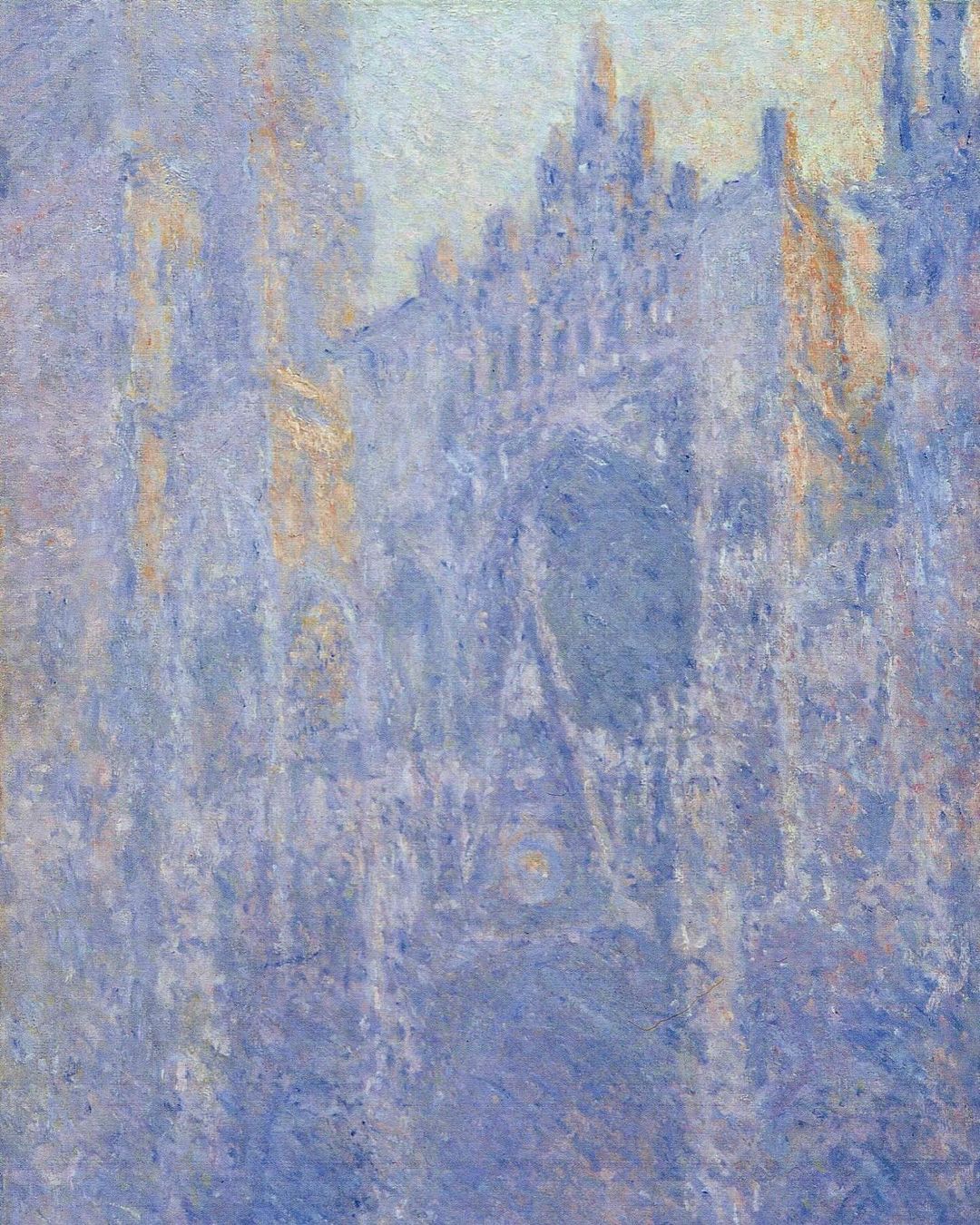
In the months from February to April in 1892 and 1893, Claude Monet (1840—1926) worked on a series of ca 30 paintings of the western façade of the gothic cathedral of...
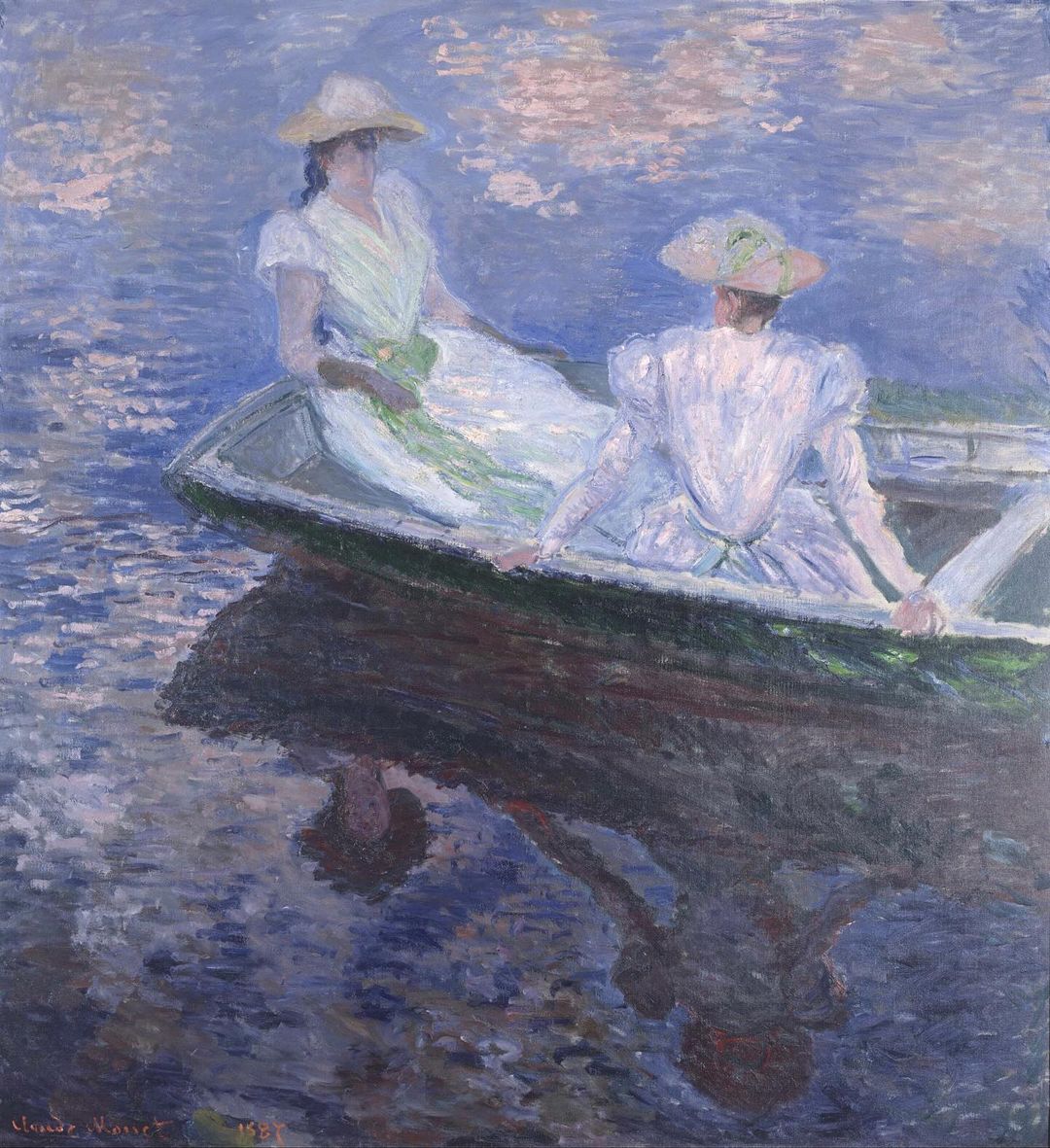
Claude Monet (1840—1926) painted several images of his family boating along the Epte River, just before he finally settled in Giverny. This work is one of the most...
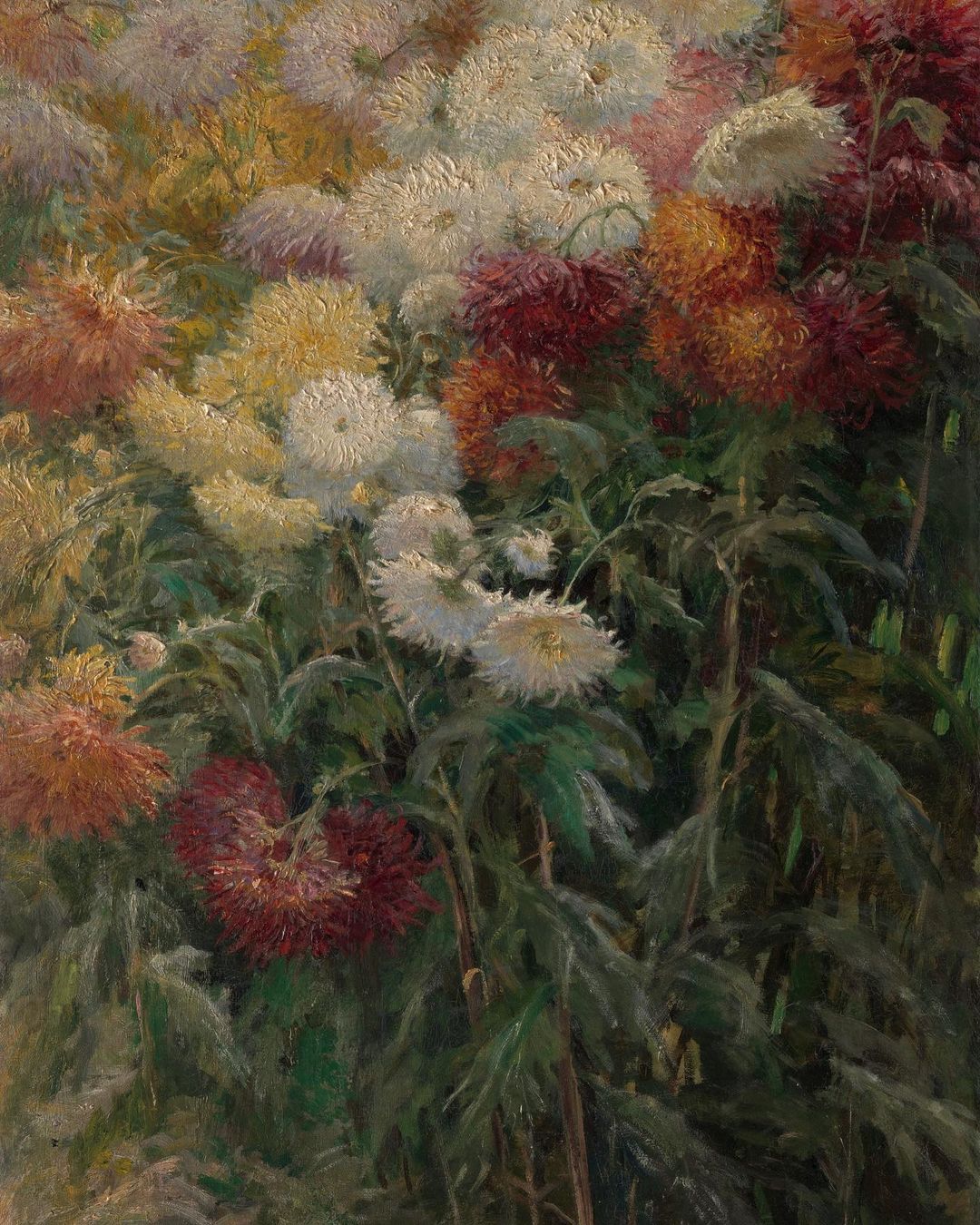
Gustave Caillebotte (1848—1894) completed this highly unusual floral still life in 1893 while living in Petit-Gennevilliers, a suburb of Paris on the banks of the Seine...
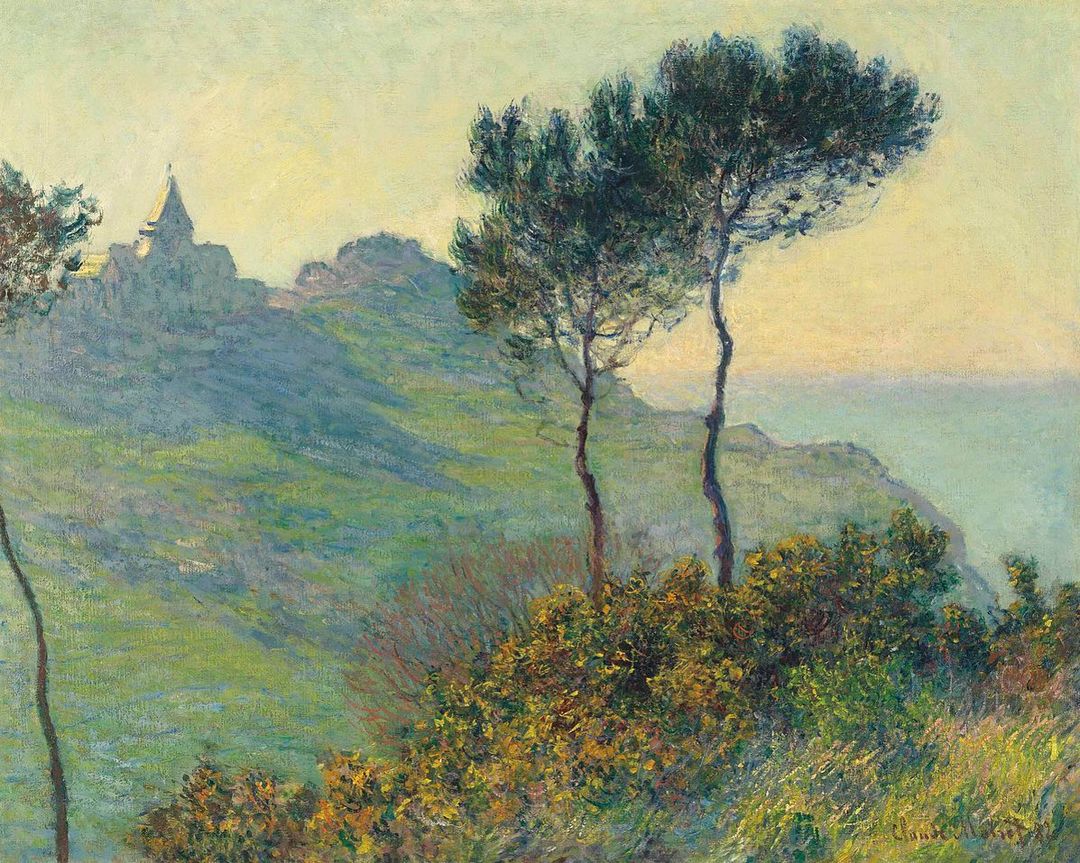
Claude Monet's “The Church at Varengeville, Sunset” was painted on the Normandy coast in 1882 and is one of several historic views of this church that he created that...
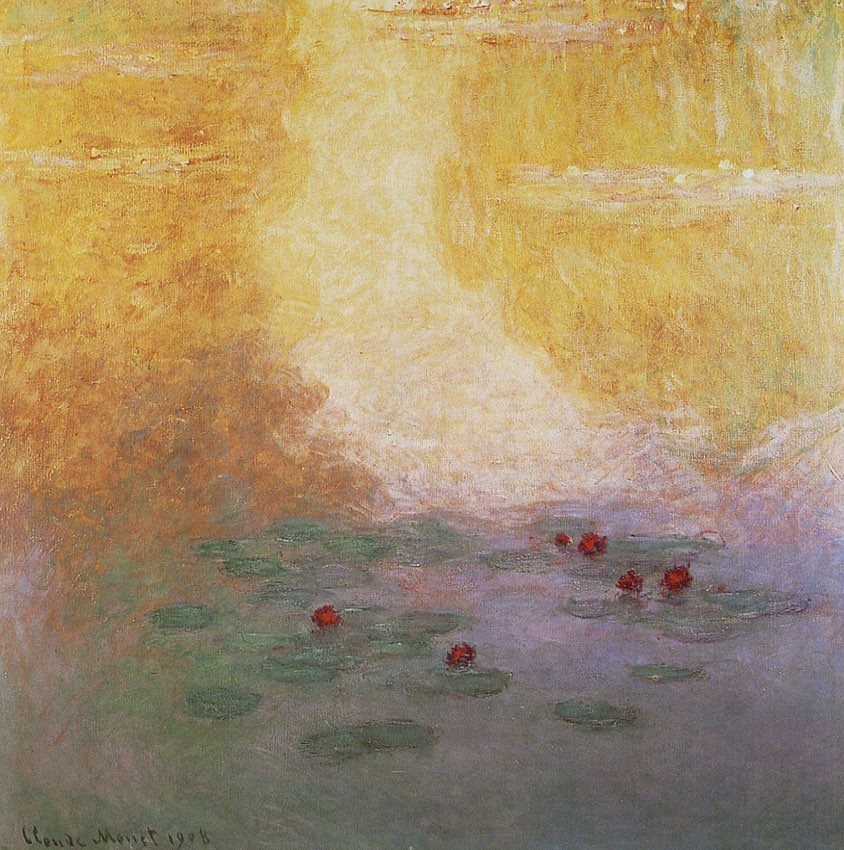
Claude Monet “spends 40,000 francs a year on this Garden of Eden.” The garden in Giverny was “the only major luxury that Monet allows himself,” thought Jean Lorrain in...
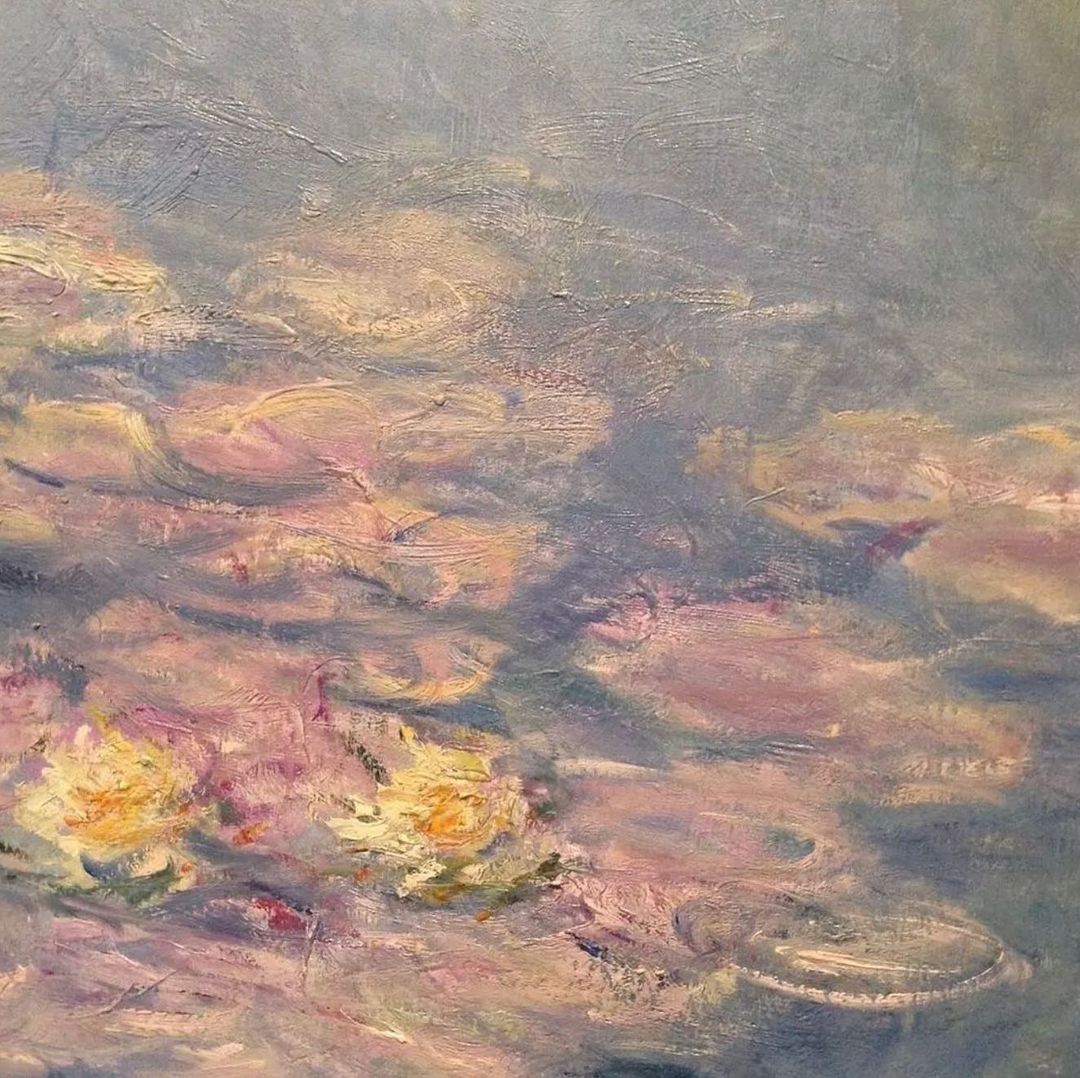
"Color is my daylong obsession, joy, and torment." — Claude Monet. Claude Monet, Water Lilies (detail with filter), 1908, Dallas of Art, USA. Source: Pinterest.
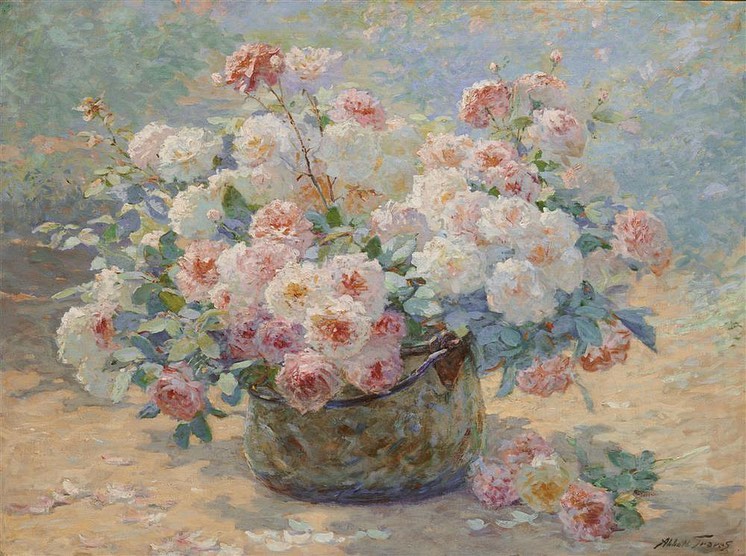
Abbott Fuller Graves (1859—1936) determined early to become a great painter of flowers. His formal art training began in Boston and continued in Paris, where in 1884 he...
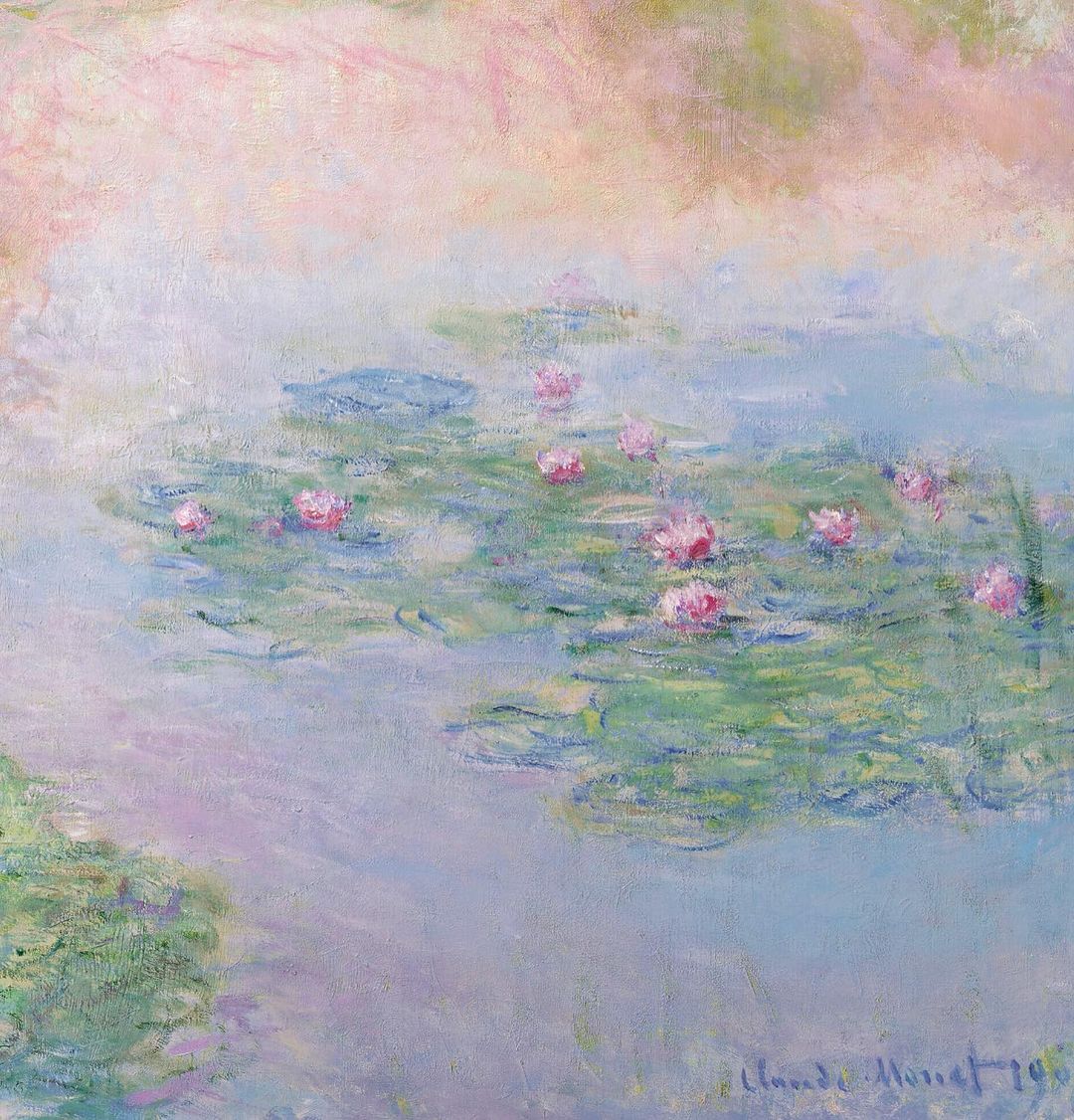
Claude Monet’s “Nymphéas” realised $56,495,000 tonight as a top lot in Collection of Anne H. Bass, who was a leading philanthropist and a generous patron of the arts,...
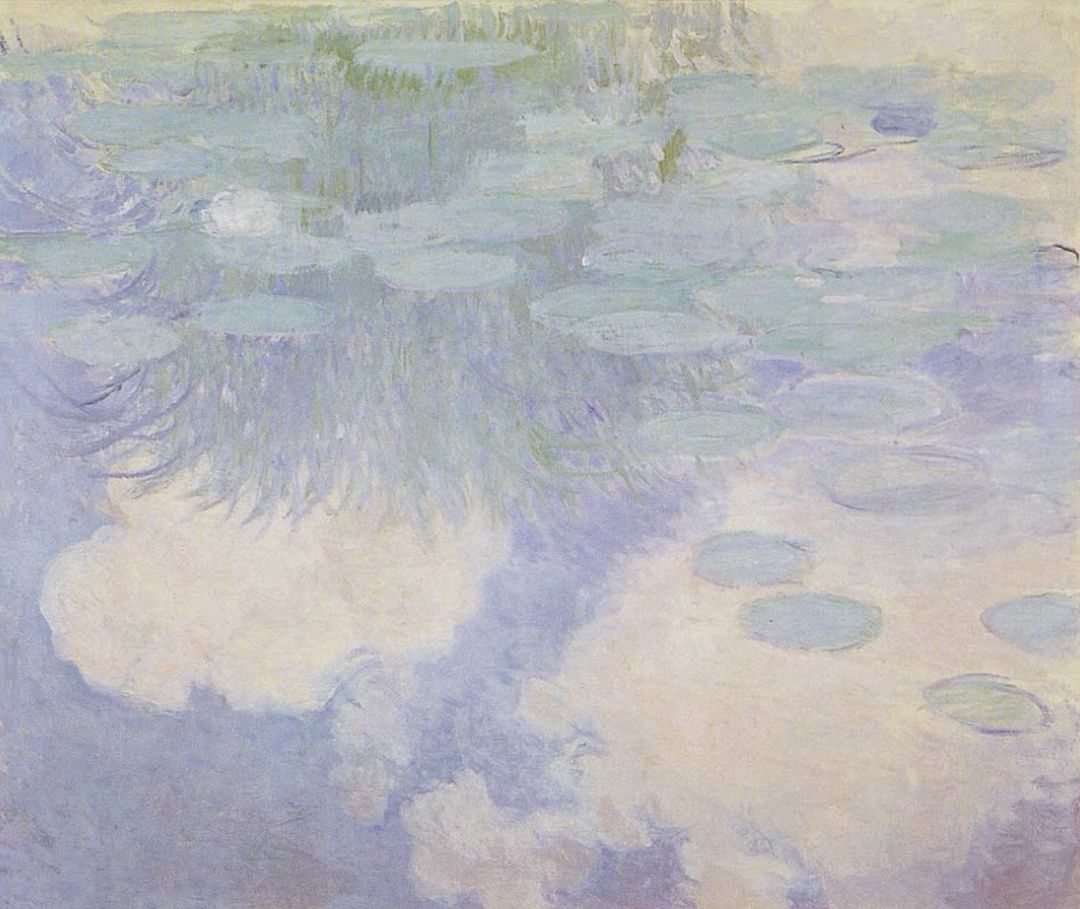
Impressionist Claude Monet (1840—1926) explored the depths of life and of painting in the reflections on the water, in its endless flow, in the ceaselessly dissolving...
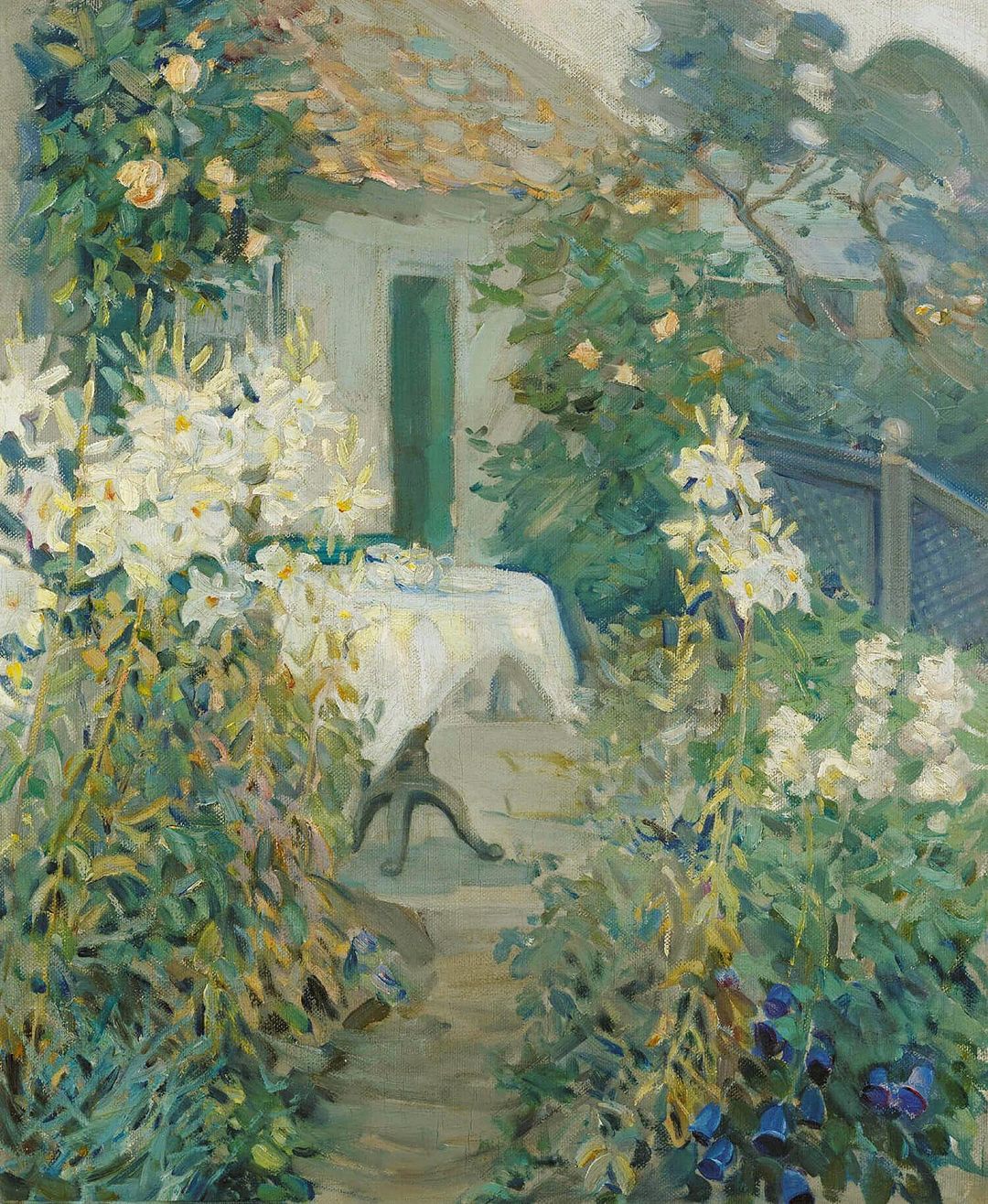
Canadian painter Helen Galloway McNicoll (1879—1915) became deaf from scarlet fever when she was two years old. At an early age she had easy access to fine European art...
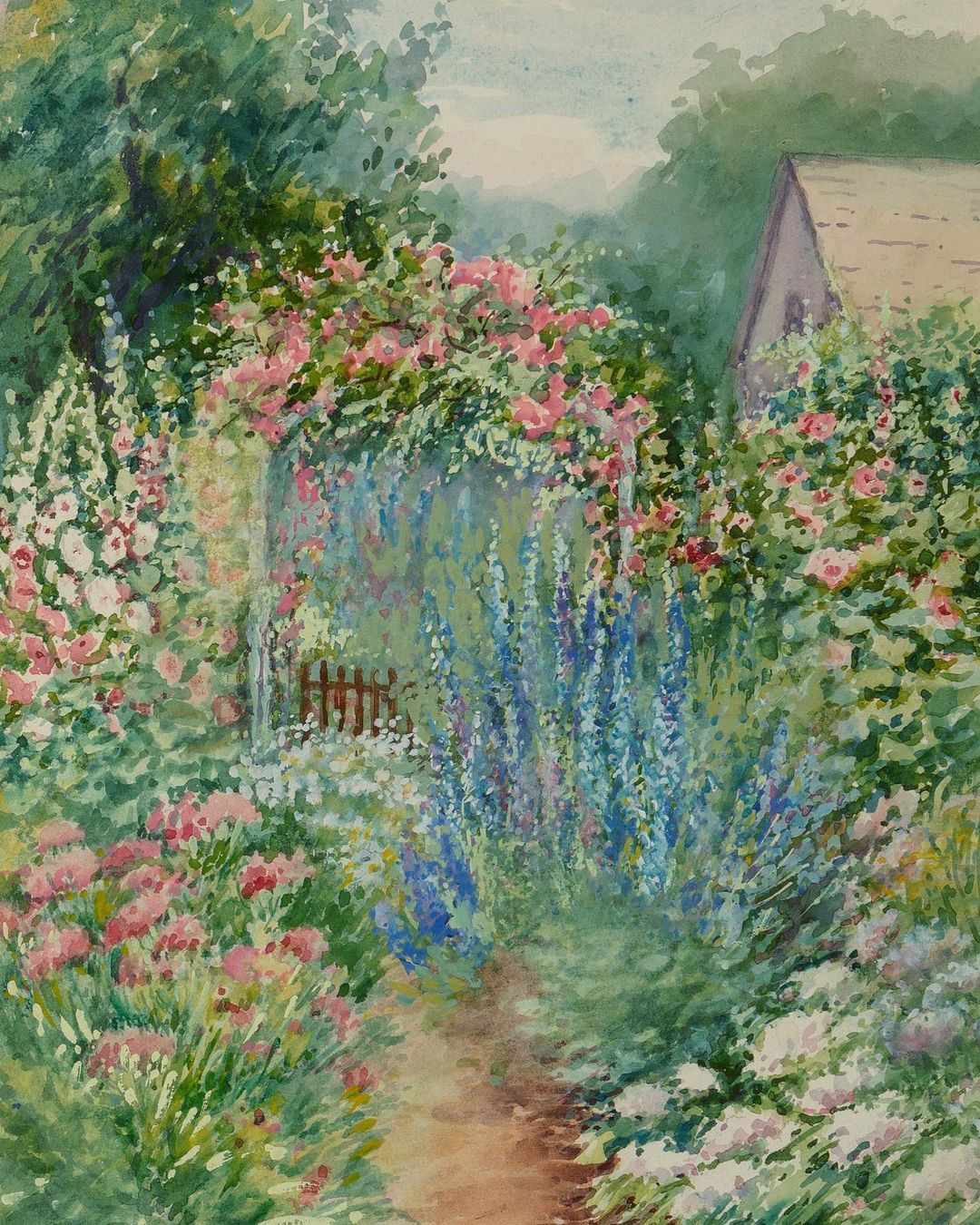
Theodore Earl Butler (1861—1936) was one of America’s most innovative Impressionist artists, and was the son-in-law of famed painter Claude Monet. Born in 1861, Butler...
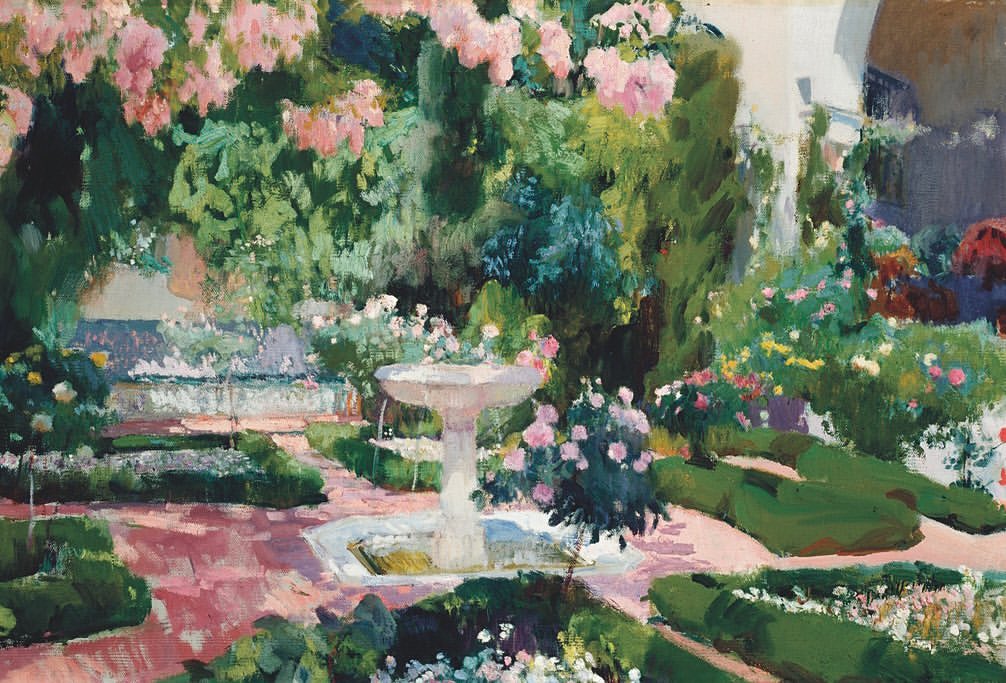
Spanish artist Joaquín Sorolla (1863—1923) painted all aspects of the gardens at his Madrid home Between 1916 and 1920. Sorolla highlights the explosion of colour and...
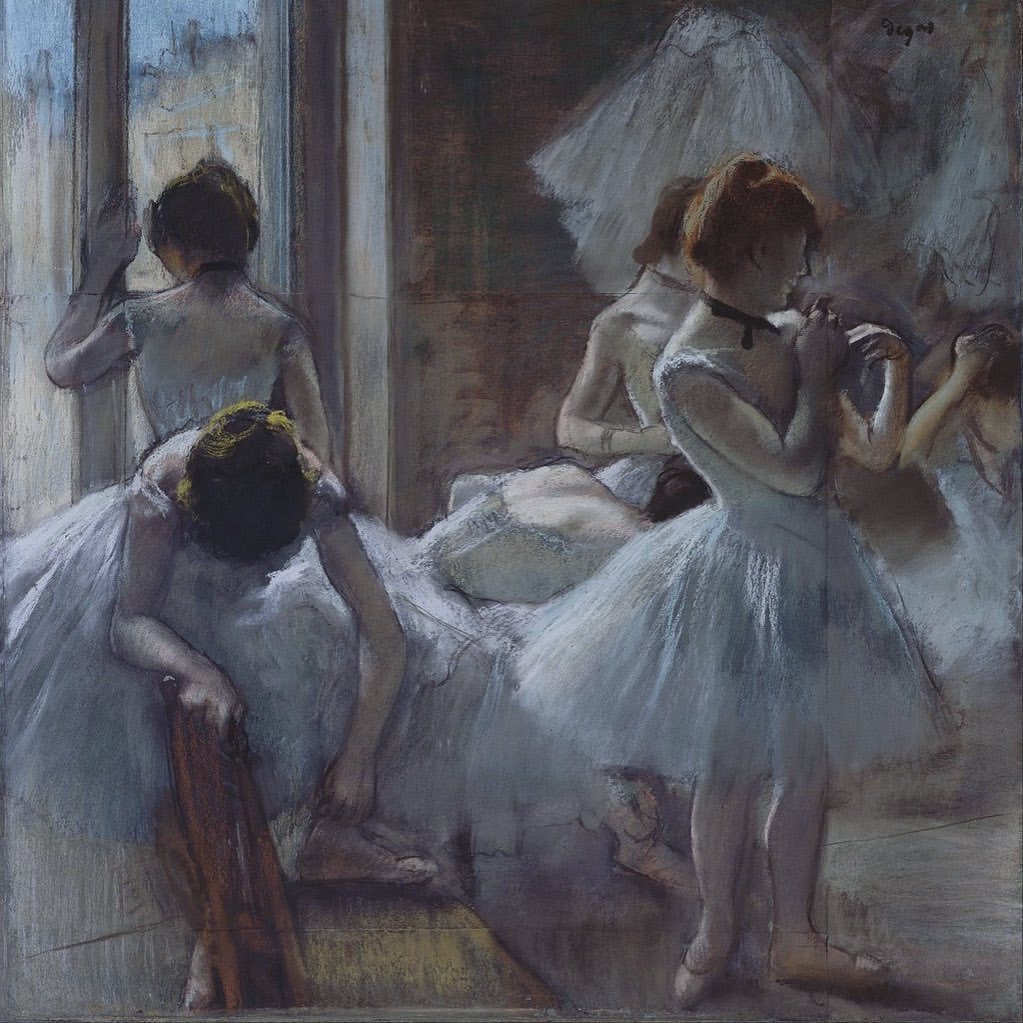
Edgar Degas (1834—1917) significantly contributed to Impressionism with his expressive paintings of modern Paris — its ballet studios, in particular. The artist rendered...
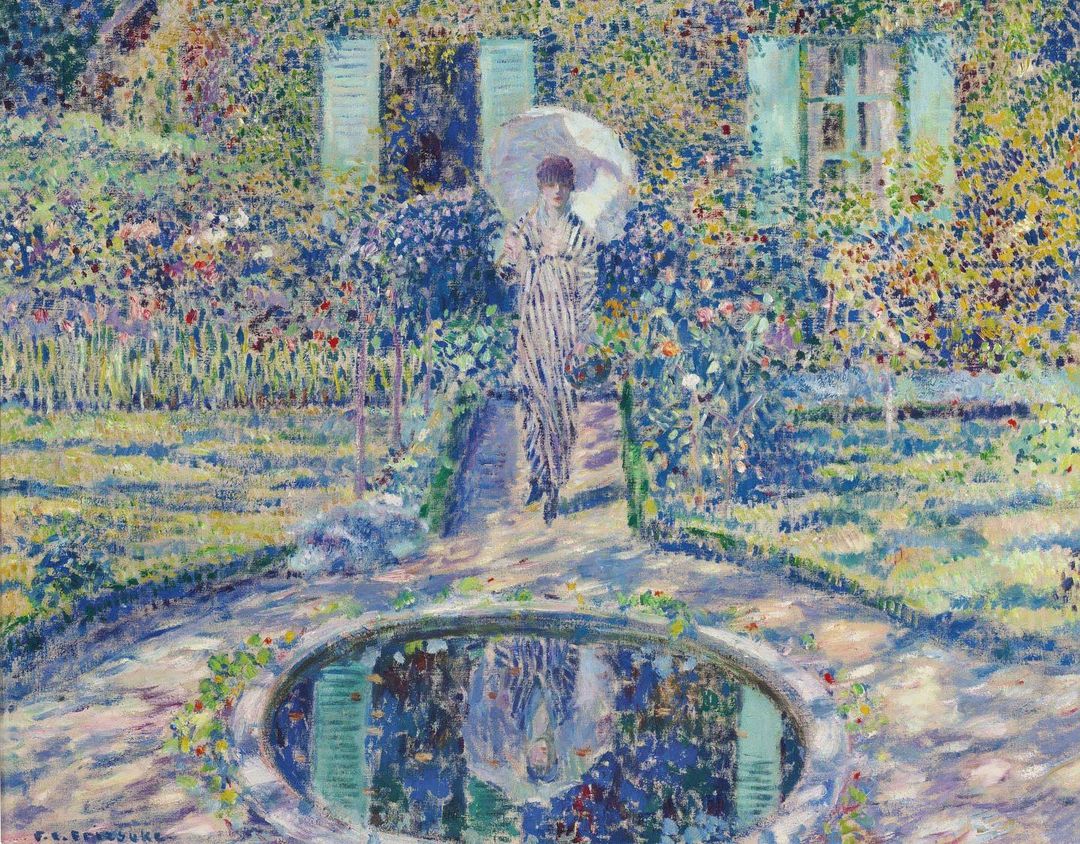
“The Garden” by the American Impressionist painter Frederick Carl Frieseke (1874—1939) was executed at the height of his career in 1912-13. The artist settled in Giverny...
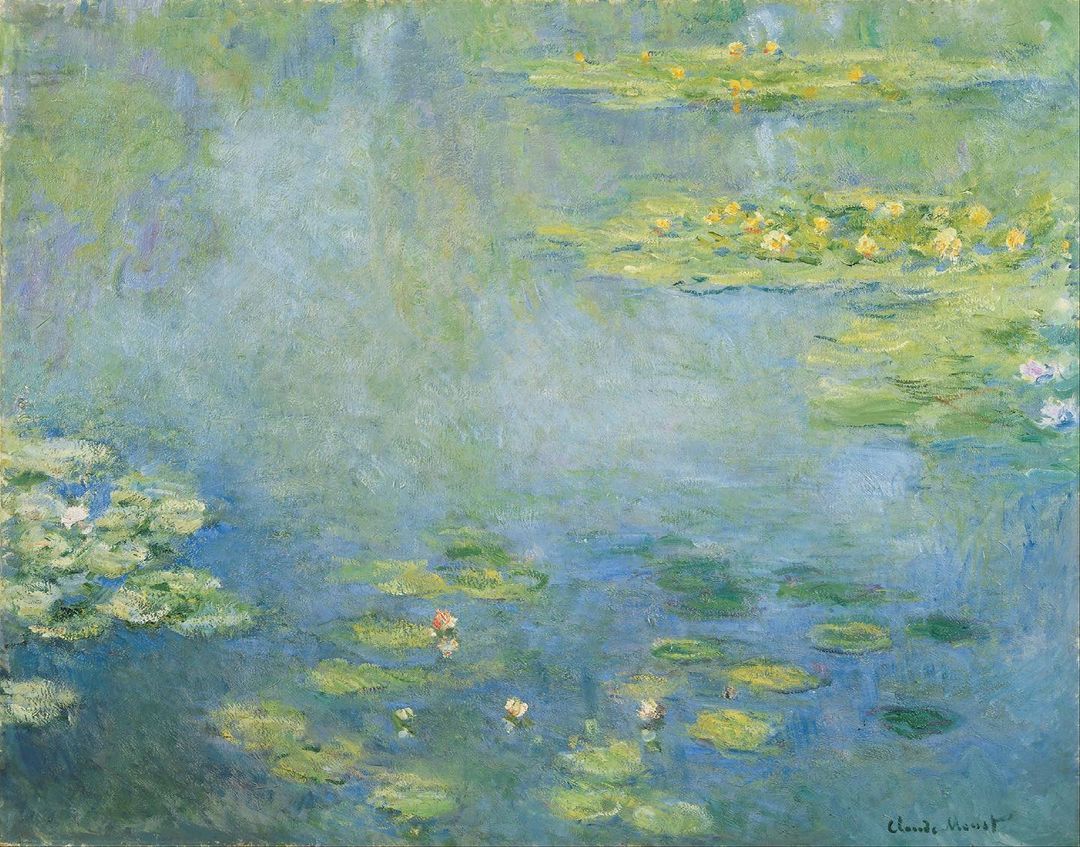
The theme of waterlilies, that became Claude Monet’s (1840—1926) most celebrated series of paintings, recorded the changes in his style and his constant pictorial...
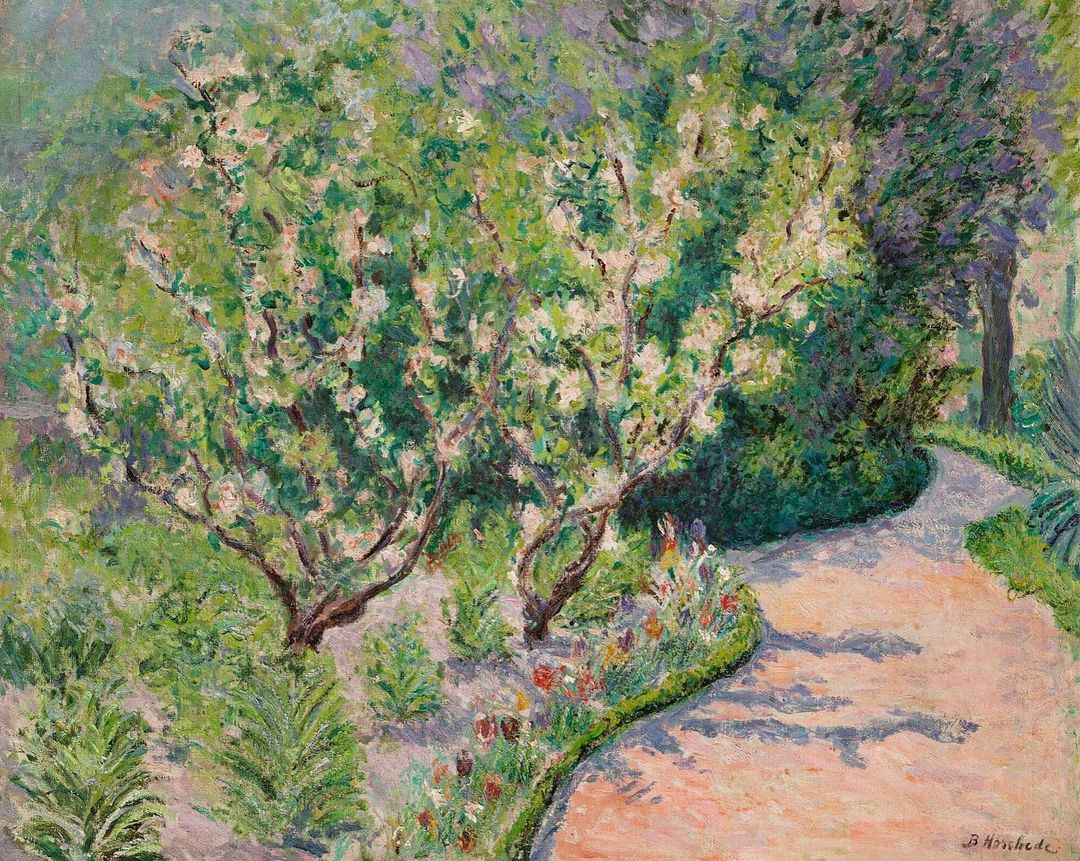
Garden of the artist (Giverny) painted by Blanche Hoschédé-Monet echoes the influence of her stepfather and father-in -law, Claude Monet. The vibrant composition, strong...
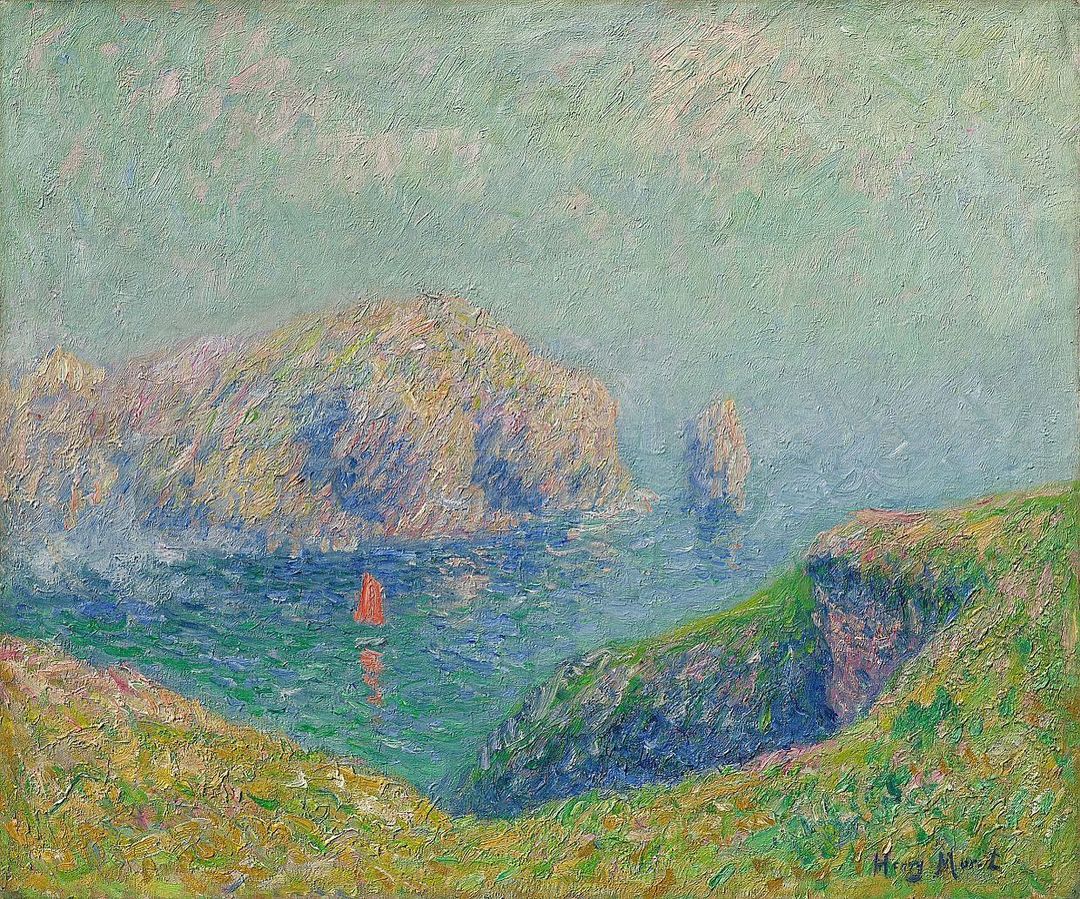
A French painter Henry Moret (1856—1913), who had painted with Paul Gauguin in Pont-Aven in Brittany, changed his style to Impressionism after 1900. As in many of his...
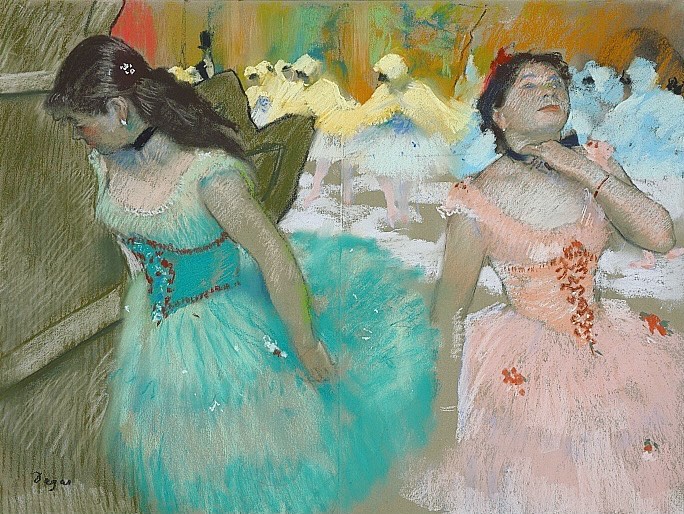
According to the Durand-Ruel Archives, this painting by Edgar Degas (1834—1917) was placed on deposit with Durand-Ruel, New York, on 30 Aug. 1926, and recorded in the...
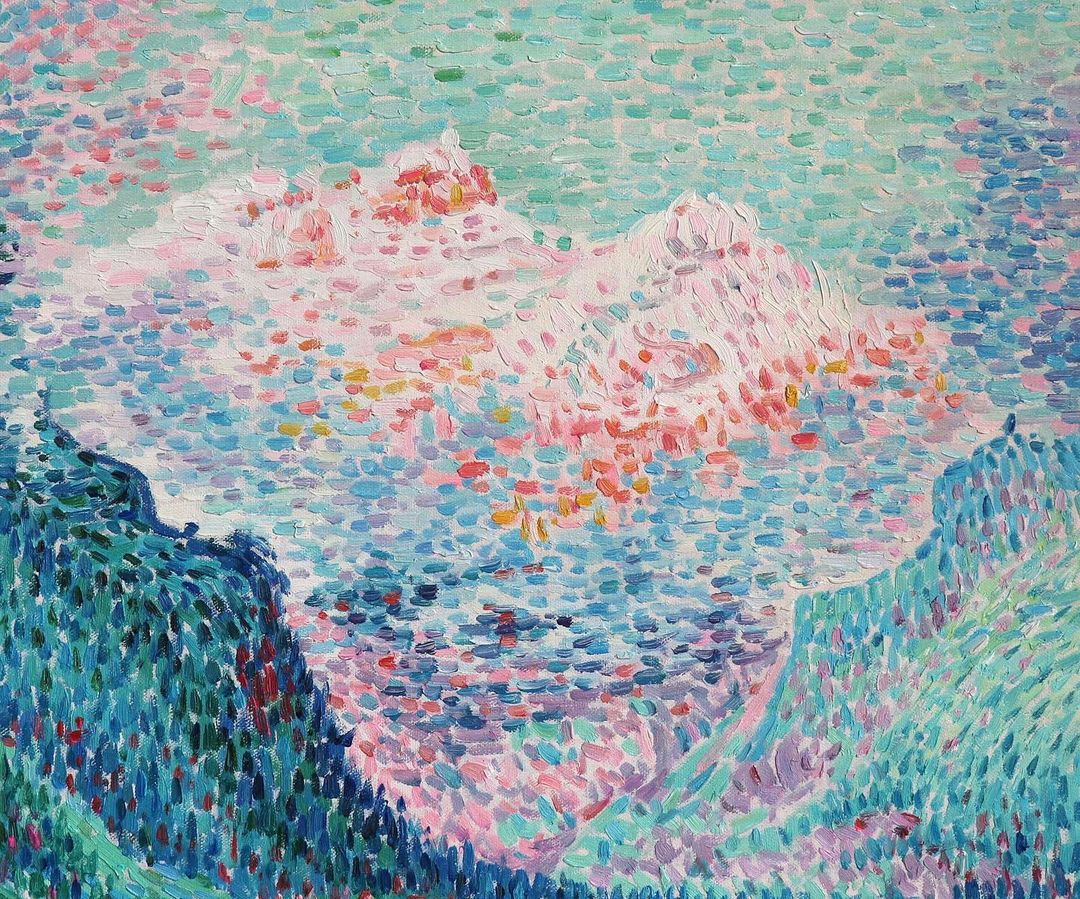
In August 1903 Paul Signac (1863—1935) made his first journey to Switzerland, staying at the small mountain town of Les Diablerets. The suppression of detail has allowed...
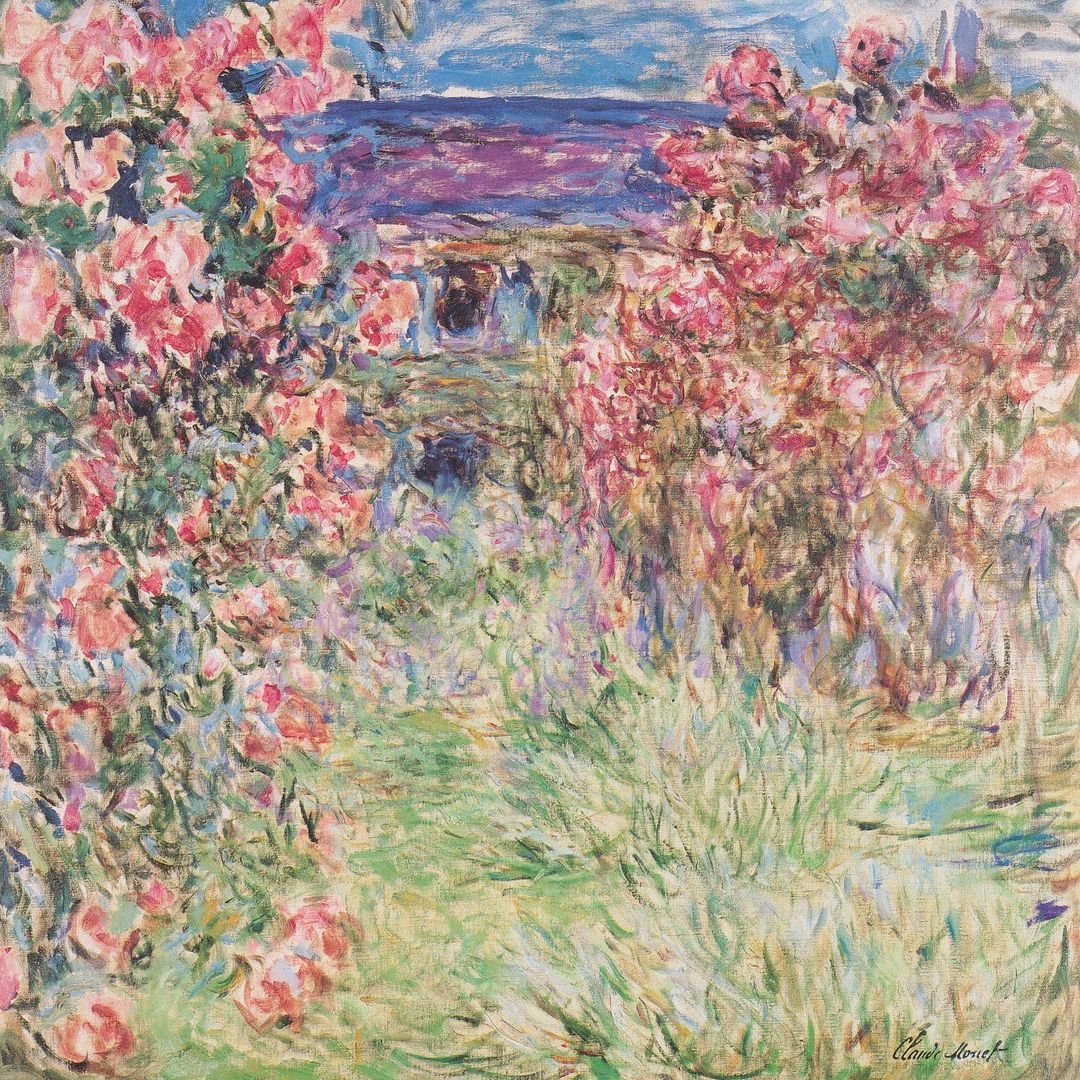
This painting depicts the front of the artist's house in Giverny seen from the garden. Claude Monet, who had been suffering from cataracts since 1912, was eventually...
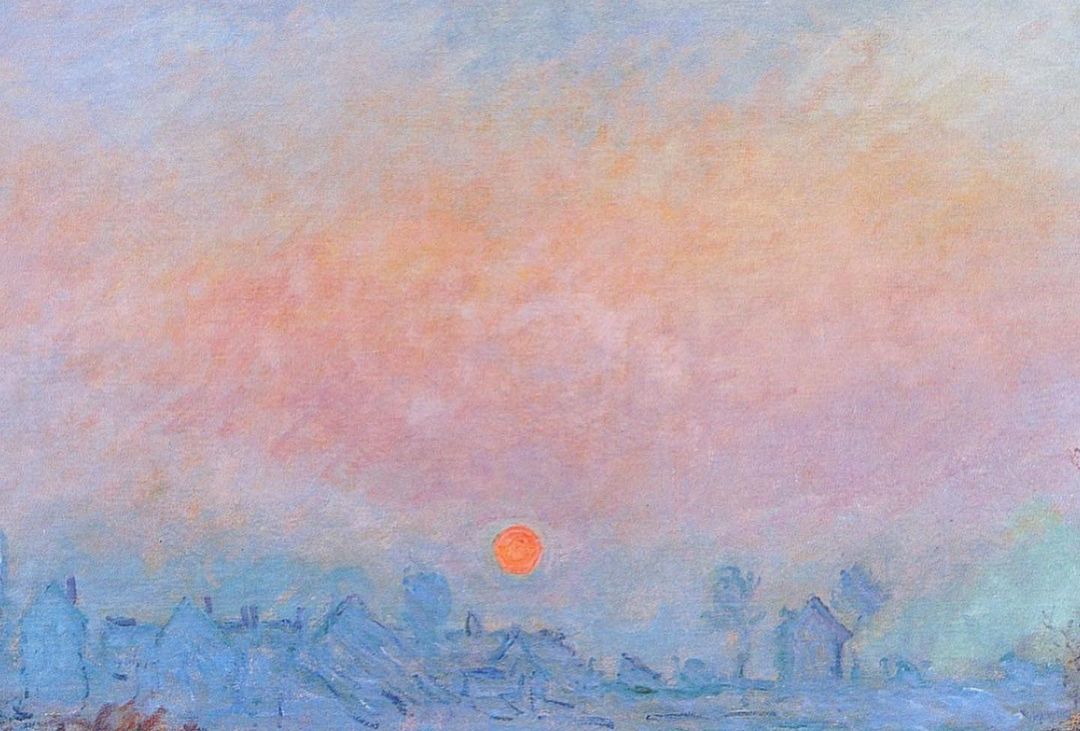
Lavacourt is a village in the Paris area, located on the left bank of the Seine, opposite the village of Vétheuil where Claude Monet was based in September 1878. The...
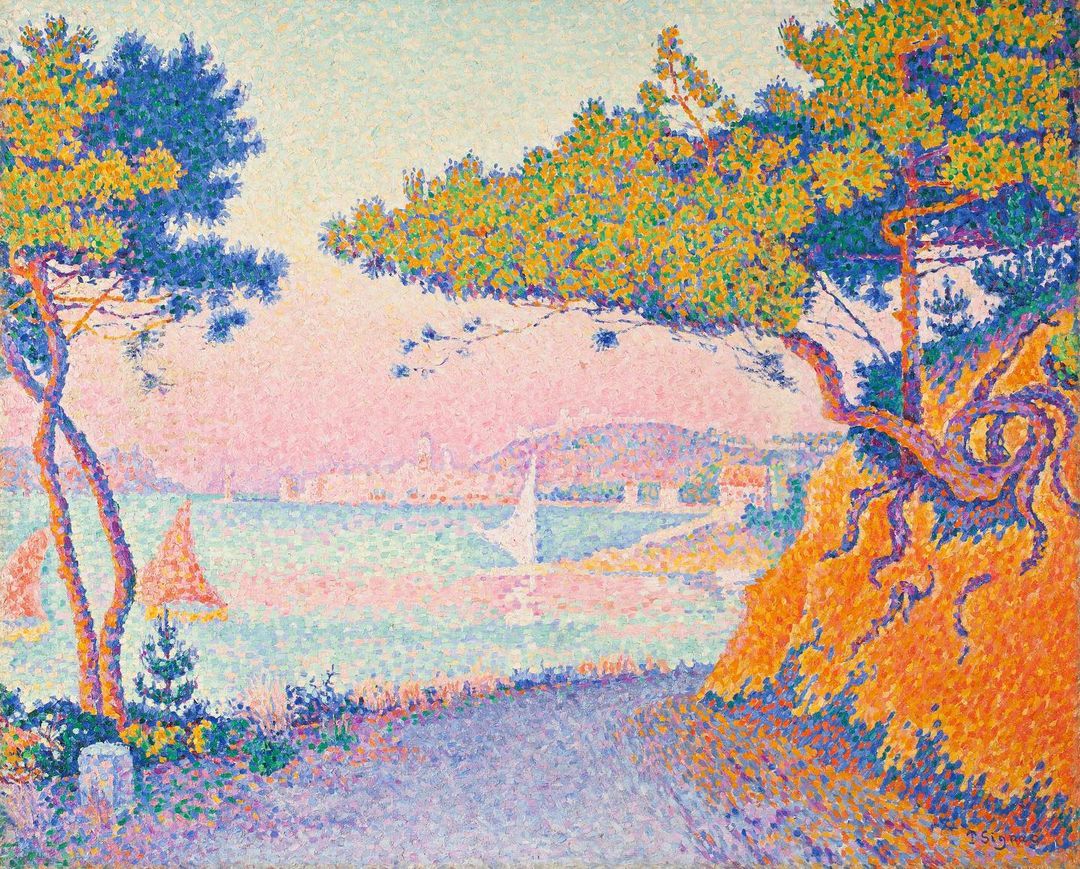
Paul Signac (1863—1935) spent his summers in the south of France. Golfe Juan, a Mediterranean resort town near St. Tropez, where Signac bought a house and kept a...
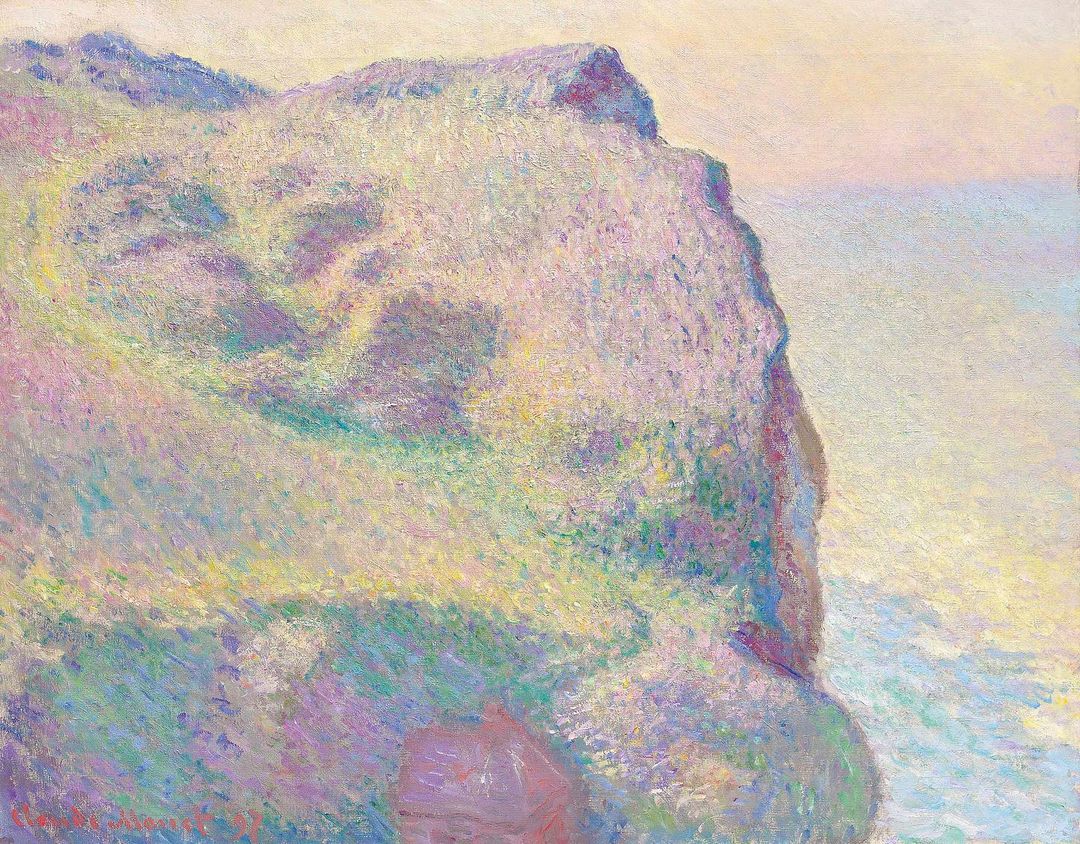
French Impressionist painter Claude Monet (1840—1926) painted it in early 1897 during a two-month stay at Pourville, Normandy. The ostensible subject of the canvas is...
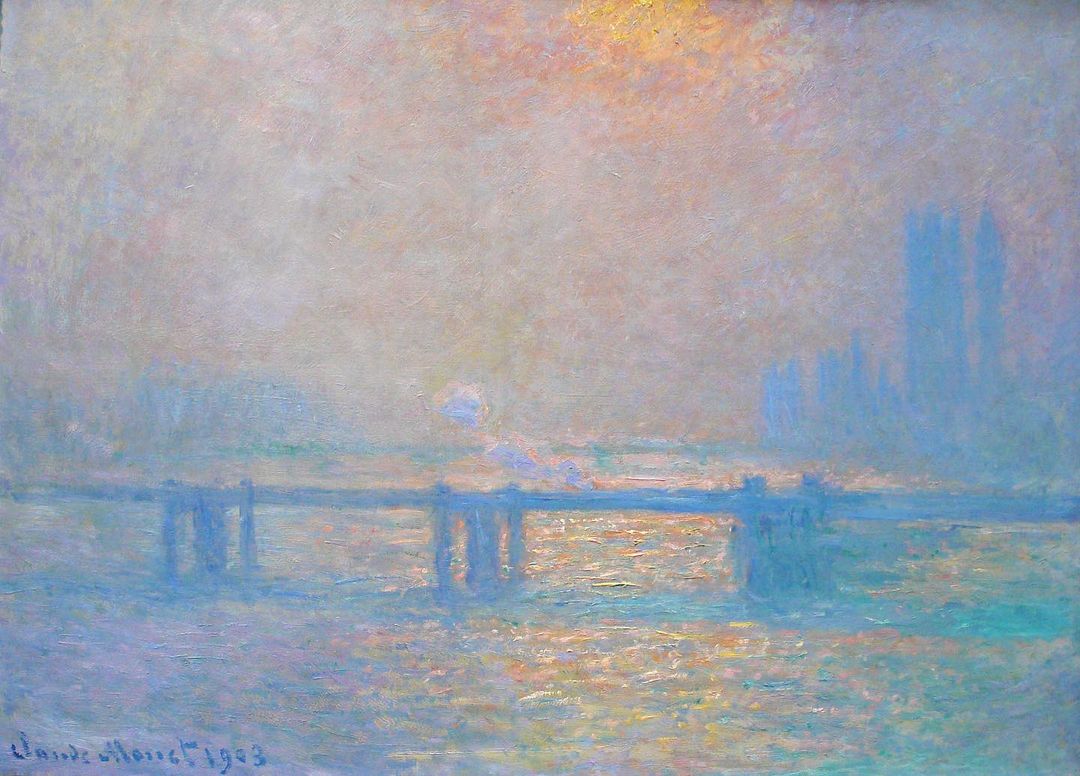
Charing Cross Bridge is a series of oil paintings by French Impressionist artist Claude Monet (1840—1926). Monet worked on the series from 1899 to 1905, creating a total...
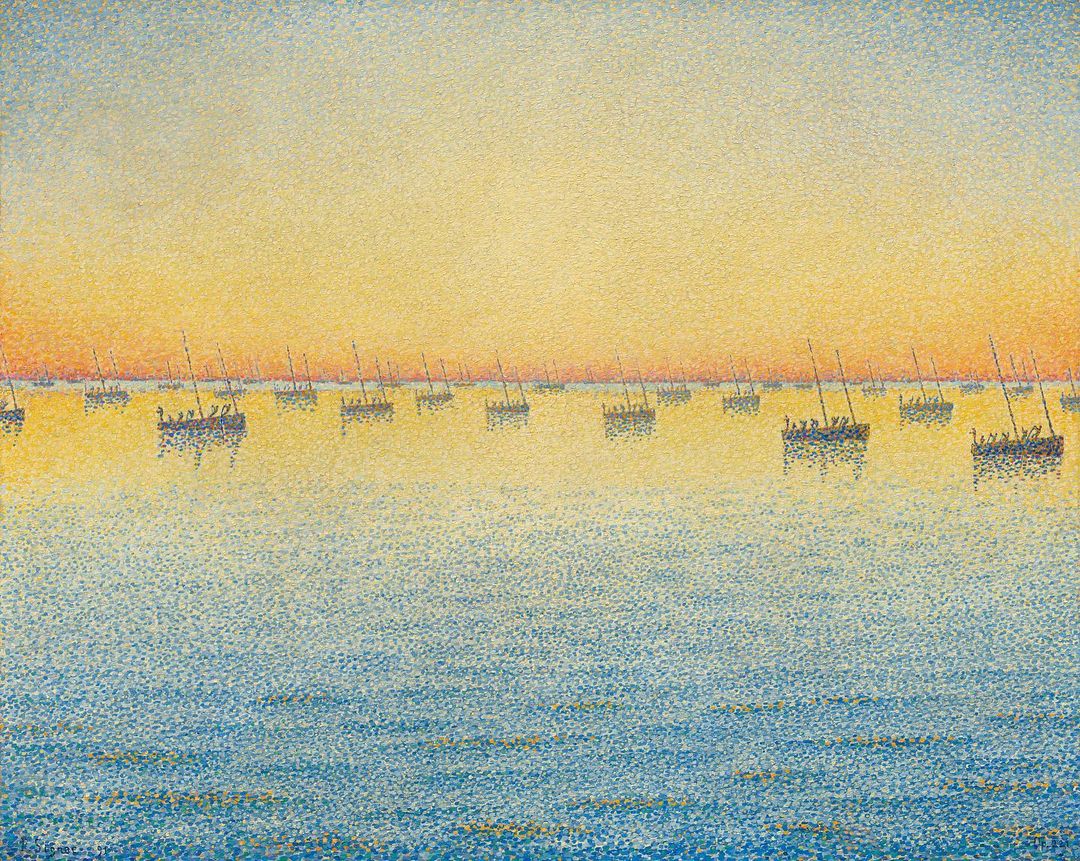
Alongside Georges Seurat, the painter Paul Signac (1863—1935) was one of the principle artists of Neo-Impressionism, the leading art movement of the late 19th century....
чтобы продолжить