
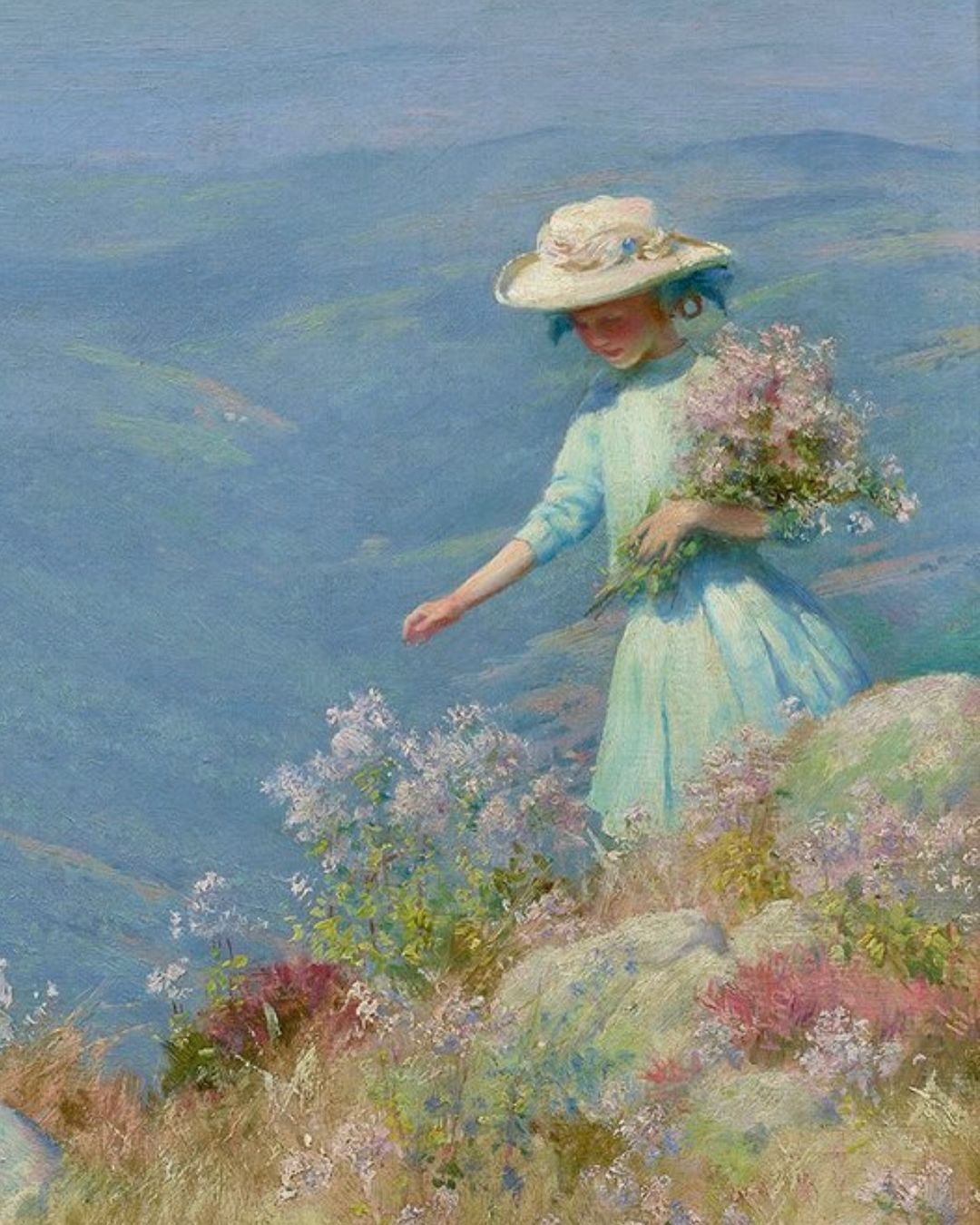
Charles Courtney Curran’s (1861—1942) artistic style and link with Impressionism remained consistent throughout his career. His depiction of women and children among...
Charles Courtney Curran’s (1861—1942) artistic style and link with Impressionism remained consistent throughout his career. His depiction of women and children among...
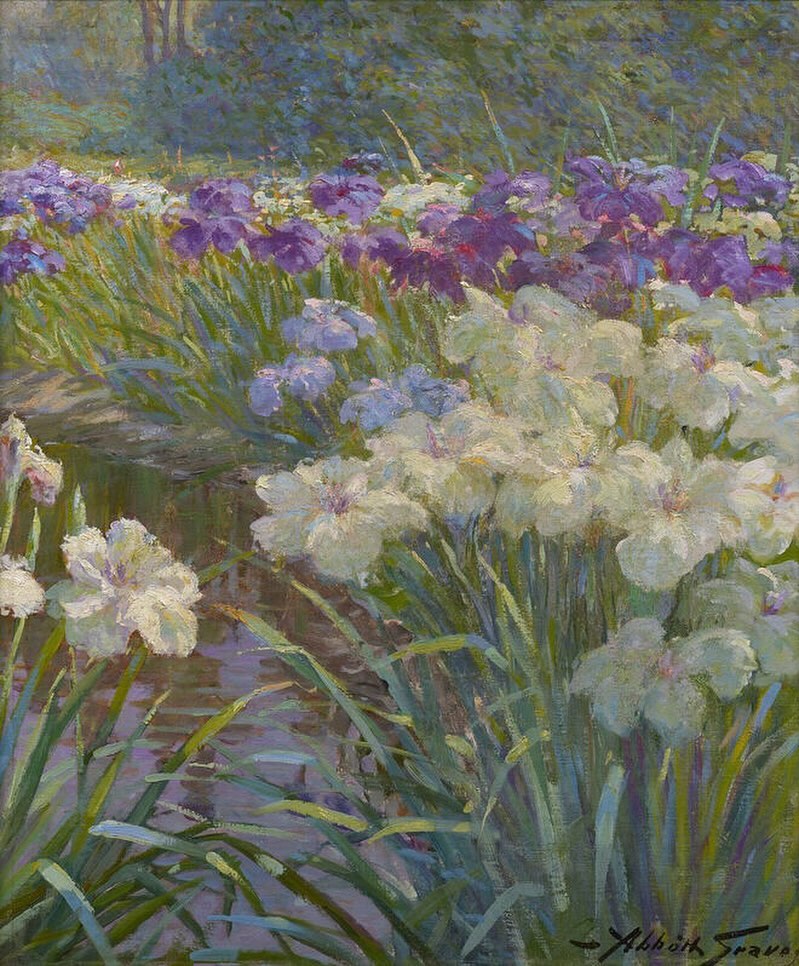
Born in Weymouth, Massachusetts, Abbott Fuller Graves (1859—1936) was an influential Boston painter known for his floral garden scenes and still lifes. Although much of...
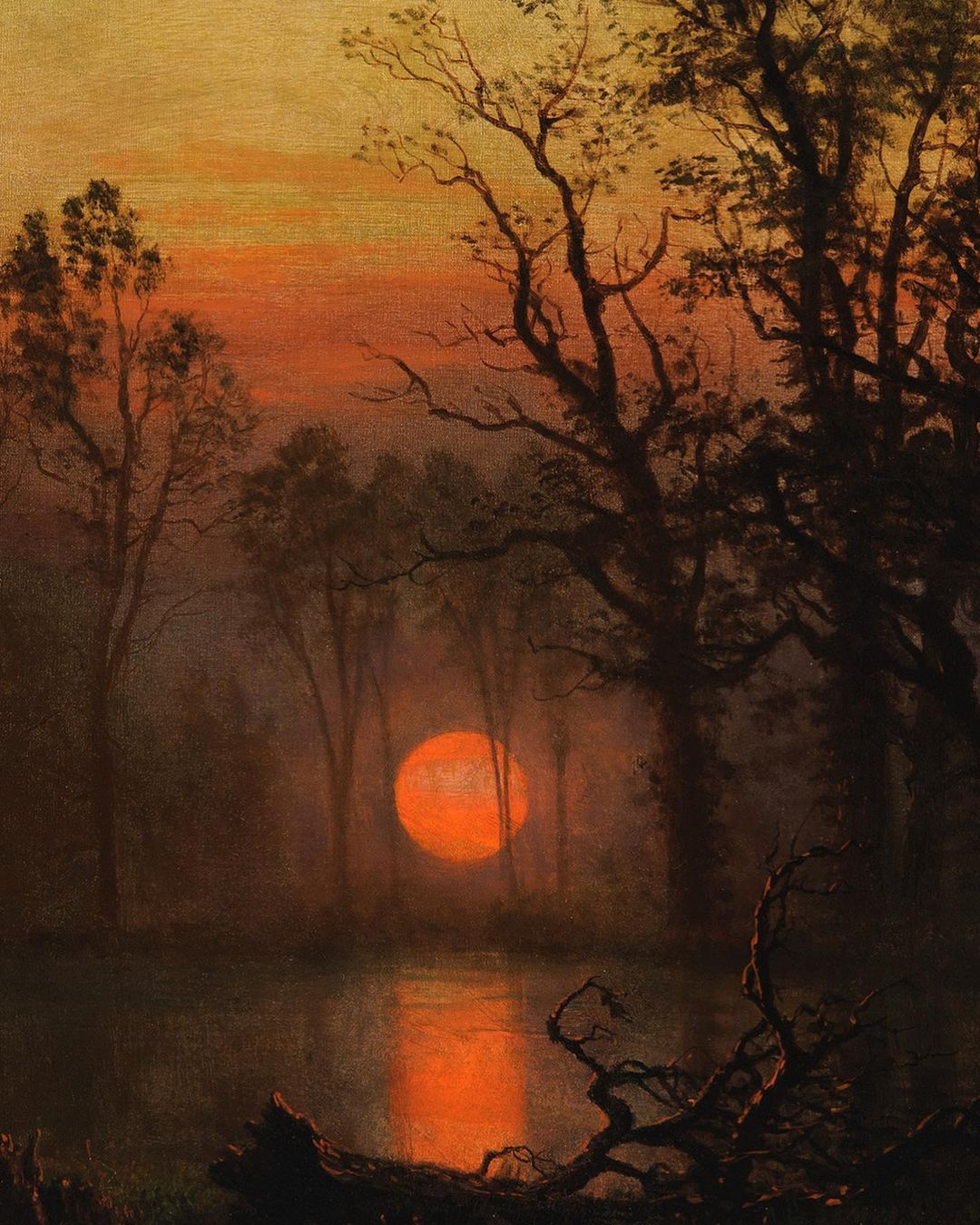
“The magnificent beauty of the natural world is a manifestation of the mysterious natural laws that will be forever obscured from us.” — Albert Bierstadt. Albert...
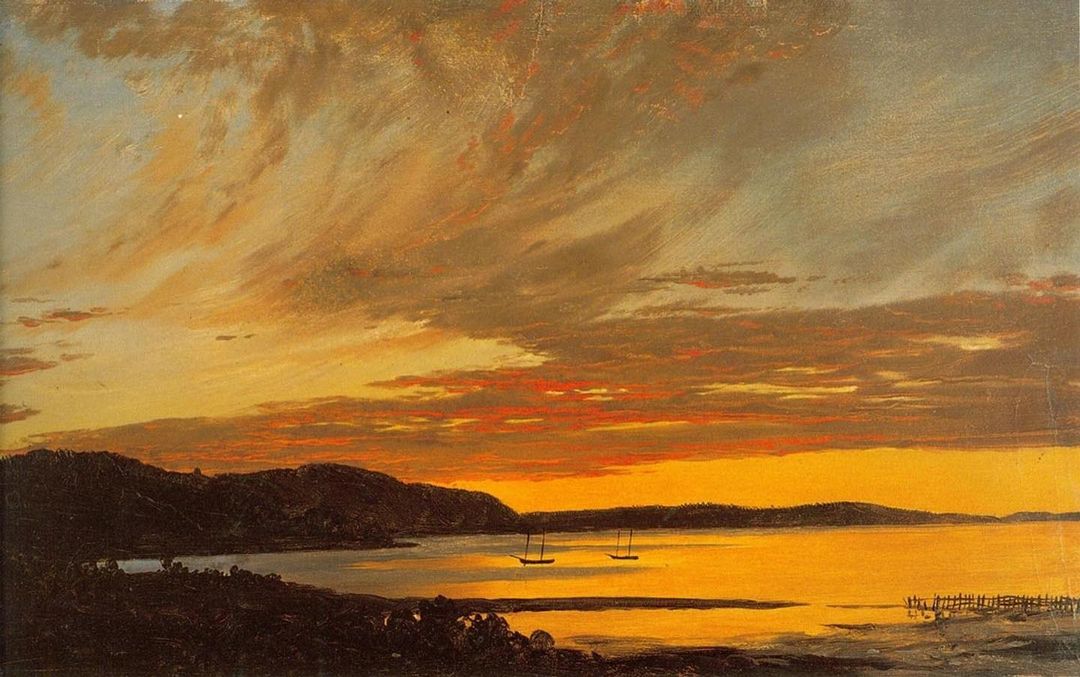
In his long, globe-trotting career, the great American landscape painter Frederic Edwin Church (1826—1900) depicted icebergs, jungles, deserts and, of course, the Hudson...
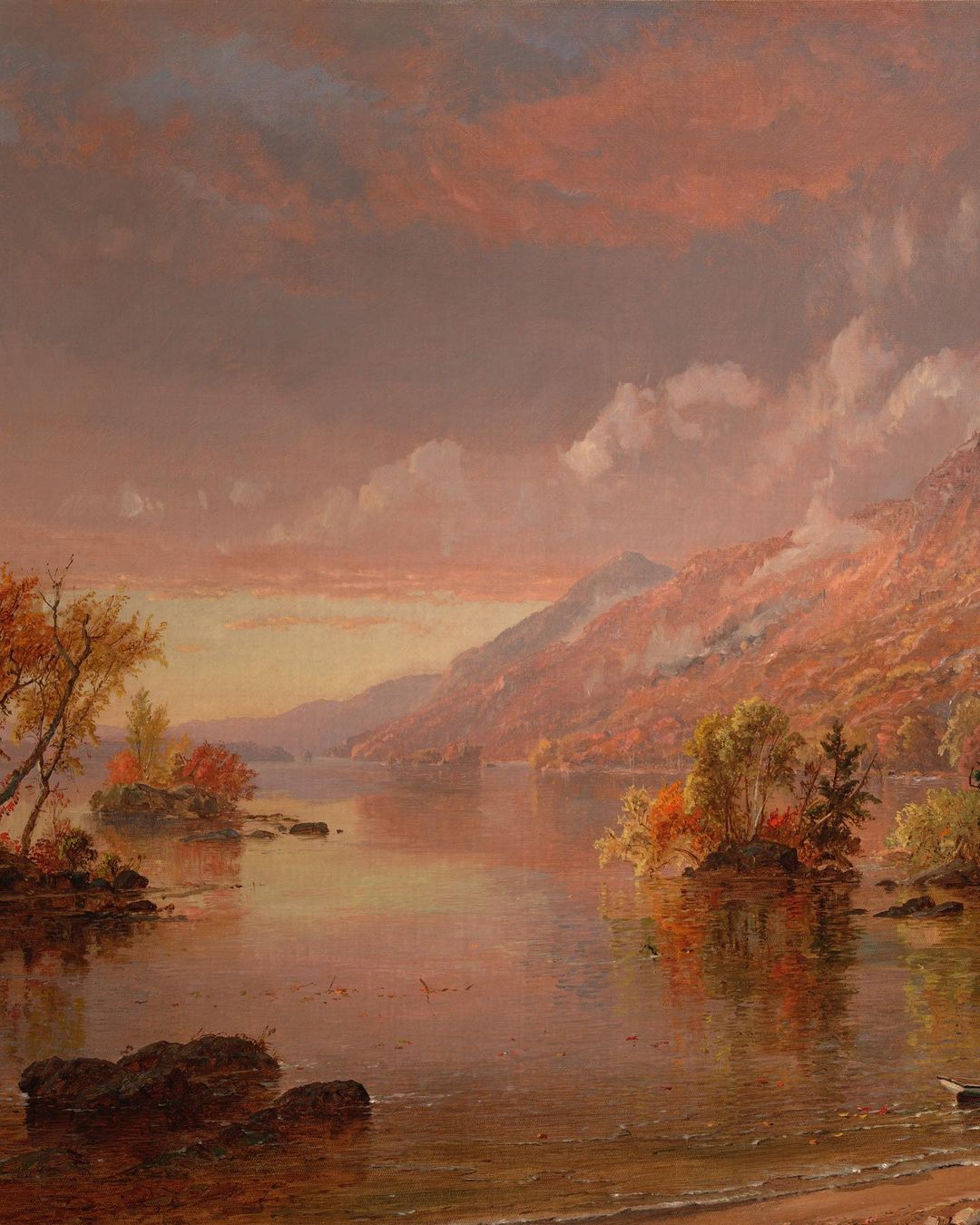
A native New Yorker, Jasper Francis Cropsey (1823—1900) practiced as both a painter and an architect. In this wide view of one of the most visited areas in the...
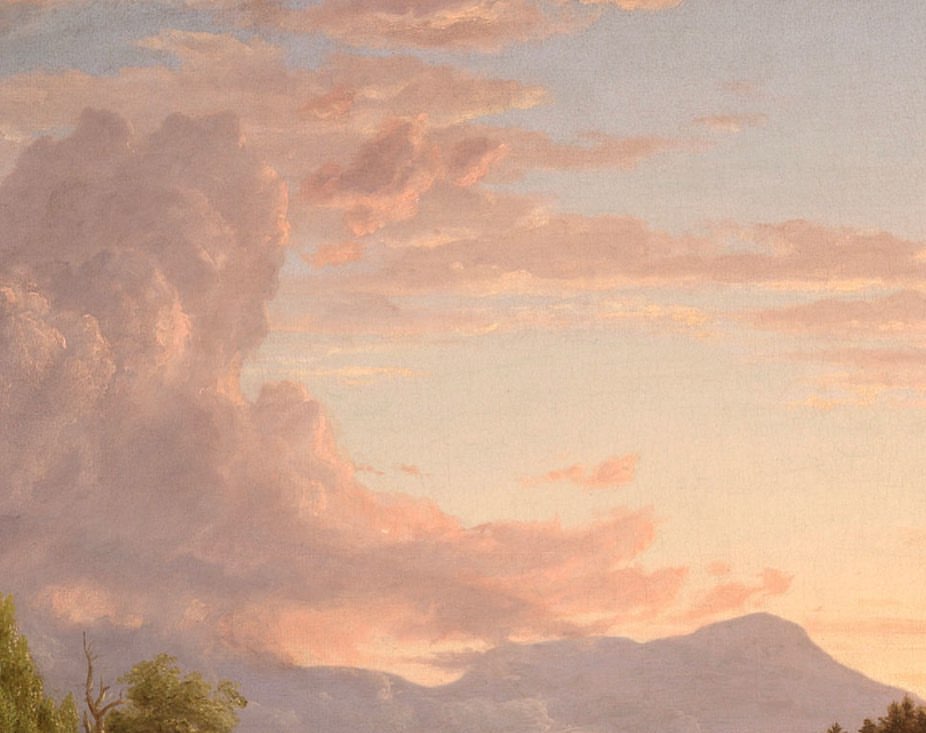
To British-born Thomas Cole (1801—1848), the American wilderness seemed an untouched Eden. Considered the founder of the Hudson River School, he imbued his scenes of...
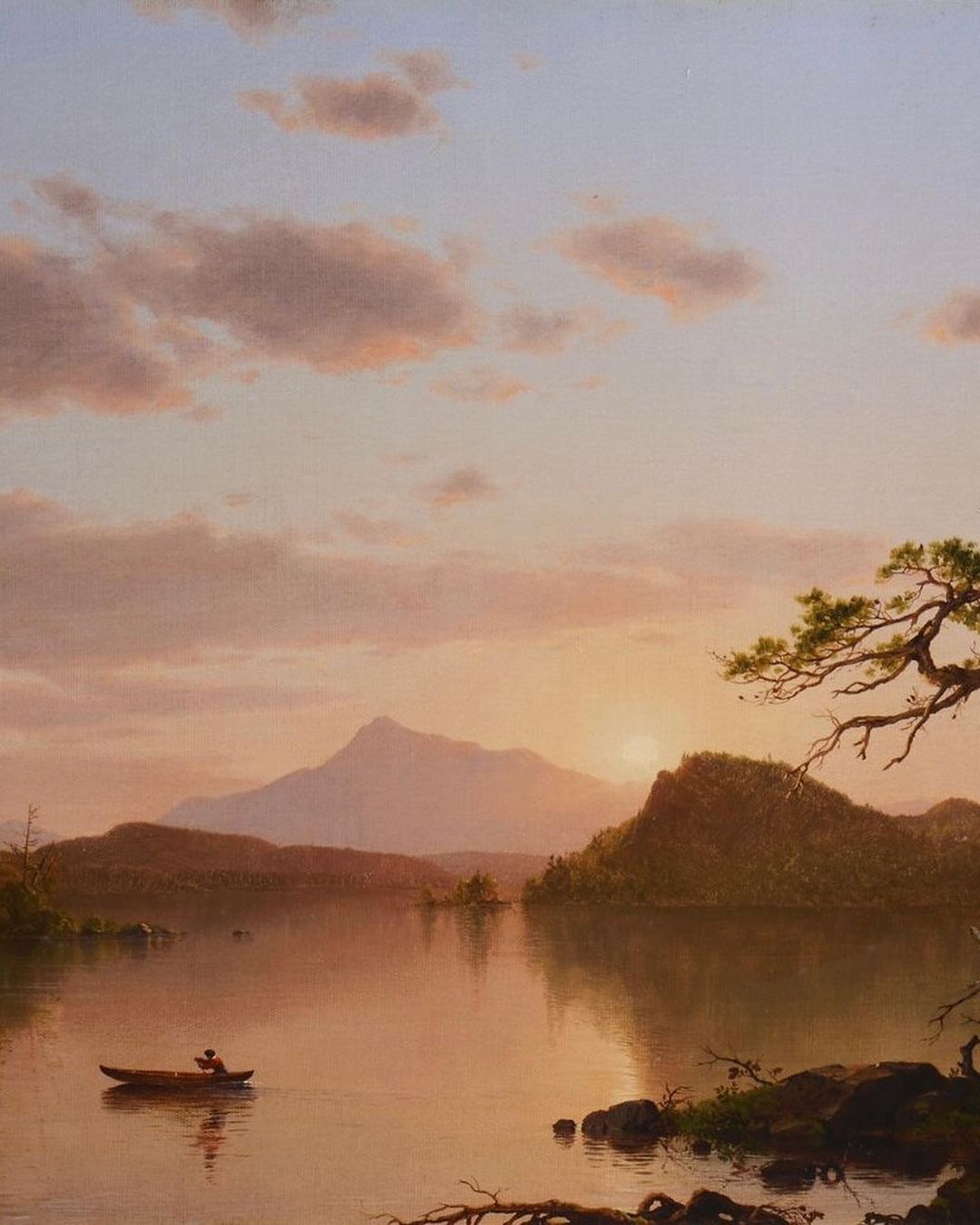
A true artist-explorer, Frederic Edwin Church (1826—1900) traveled the globe to invigorate his artistic career. While he eventually settled at Olana in upstate New York,...
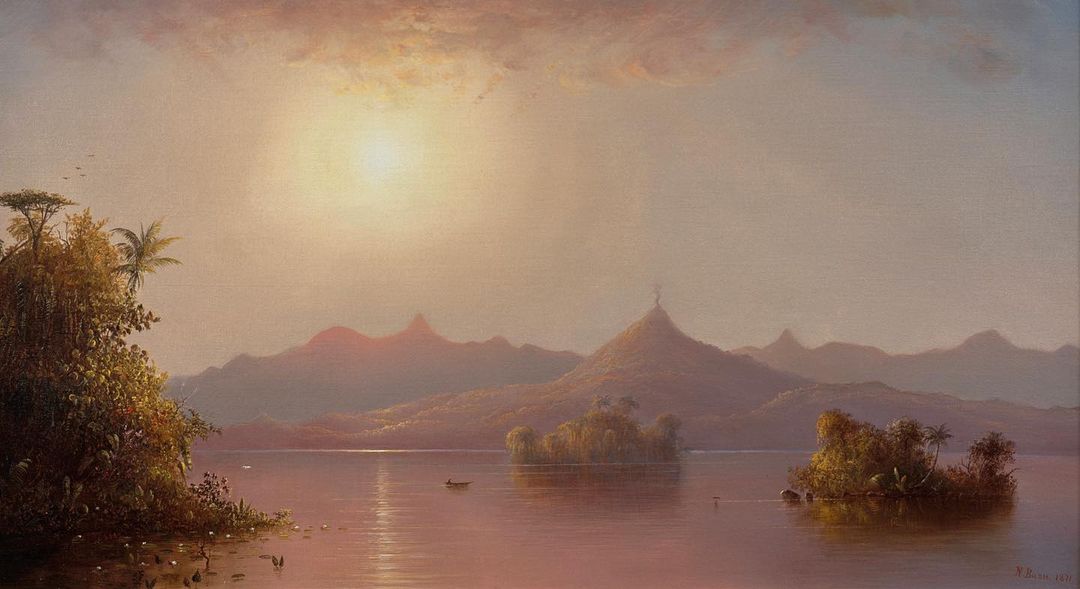
Luminist painter Norton Bush (1834—1894), who traveled to Nicaragua on his way from New York to San Francisco, used dramatic means to evoke the warmth and stillness of...
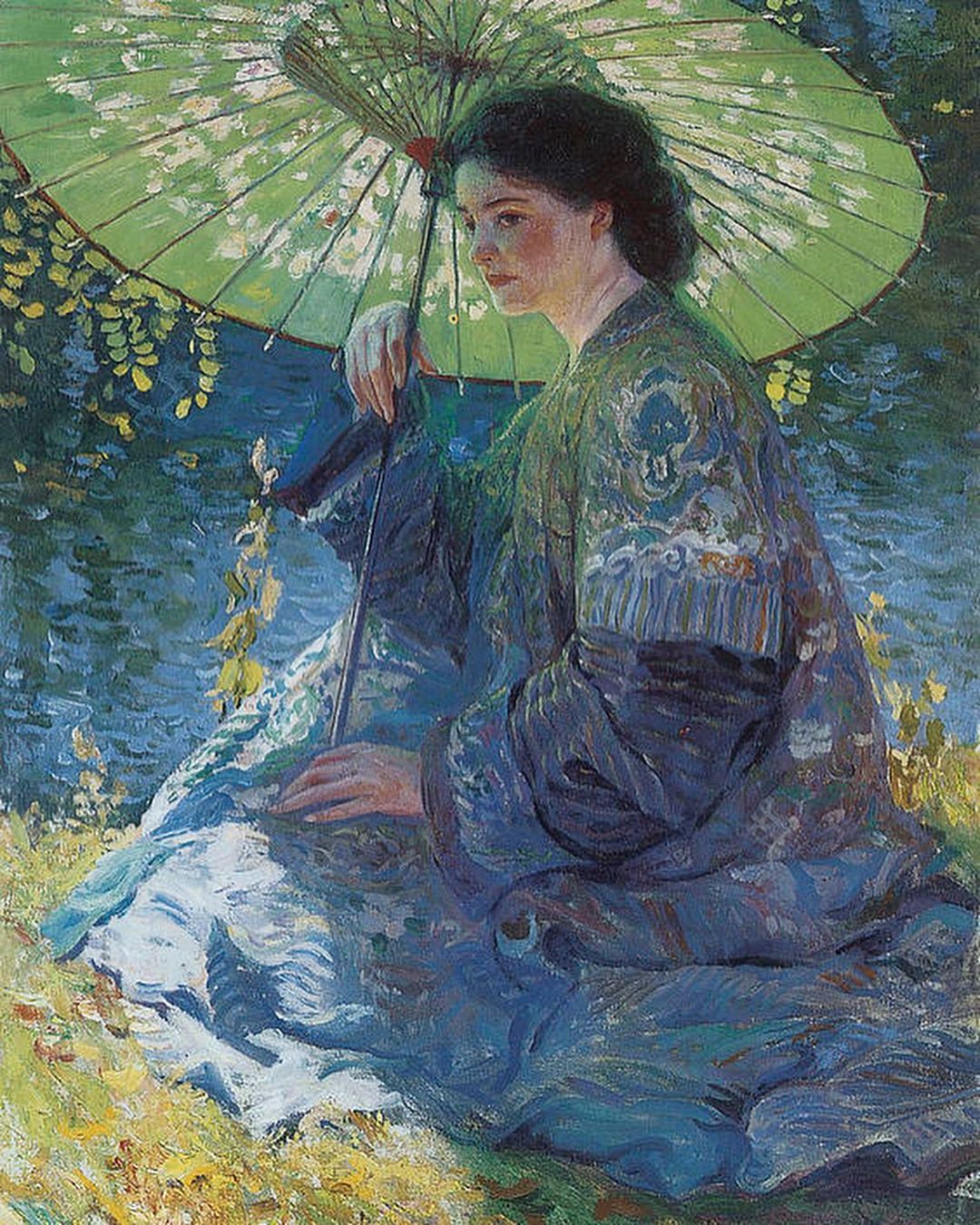
Guy Rose (1867—1925) was an American Impressionist painter and California resident who received national recognition in the late 19th and early 20th centuries. Spending...
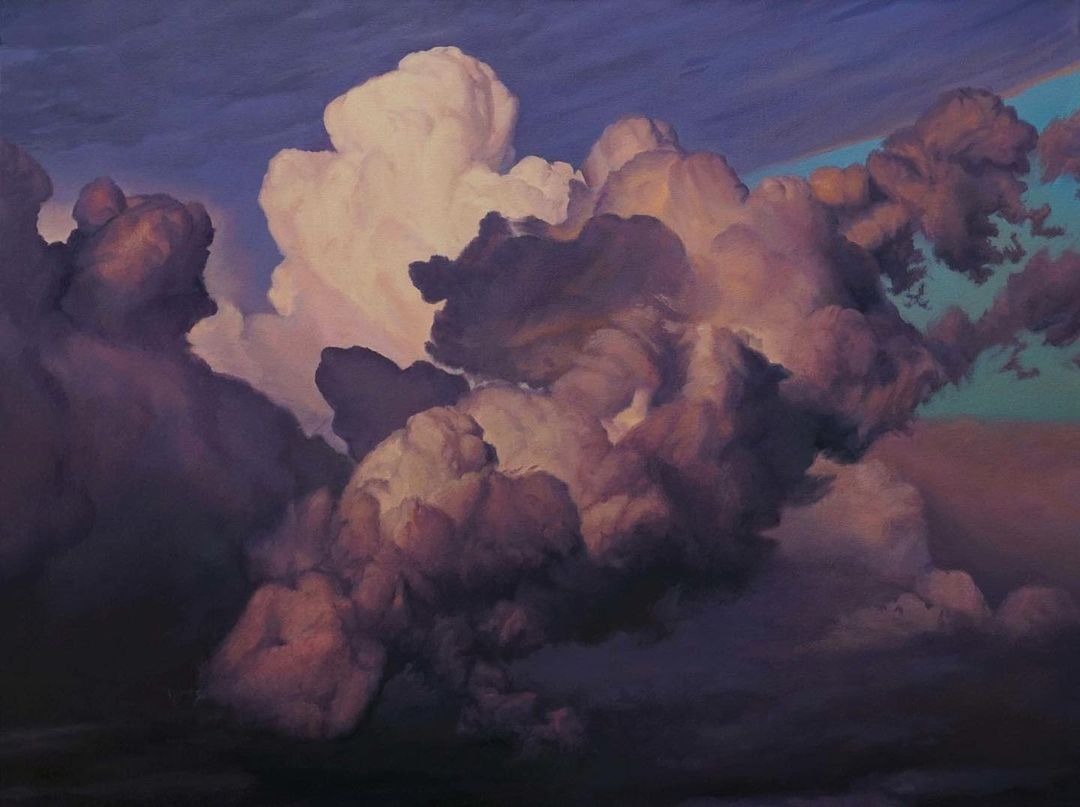
“I capture the powerful beauty of clouds and storms on camera and translate their majesty onto canvas with brush and oil paint. Each painting is an intimate portrait...
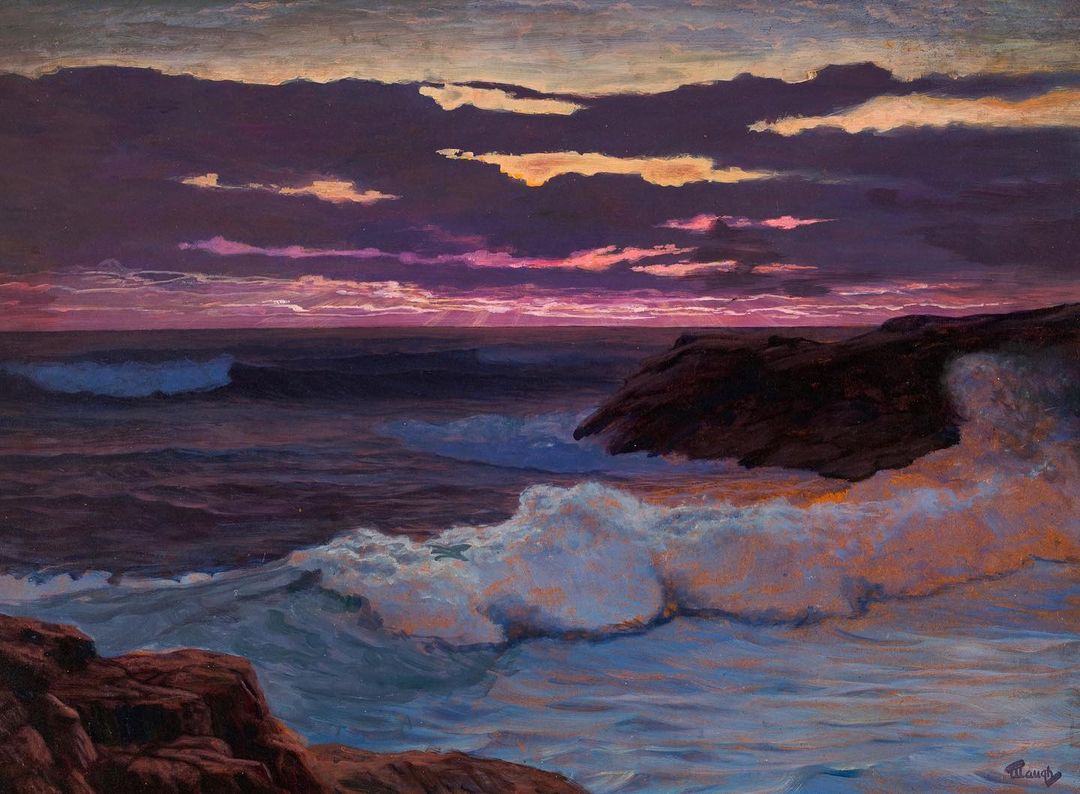
Frederick Judd Waugh (1861—1940) was an American marine painter. He left for Paris, where he entered the Académie Julian and studied under Adolphe William Bougereau and...
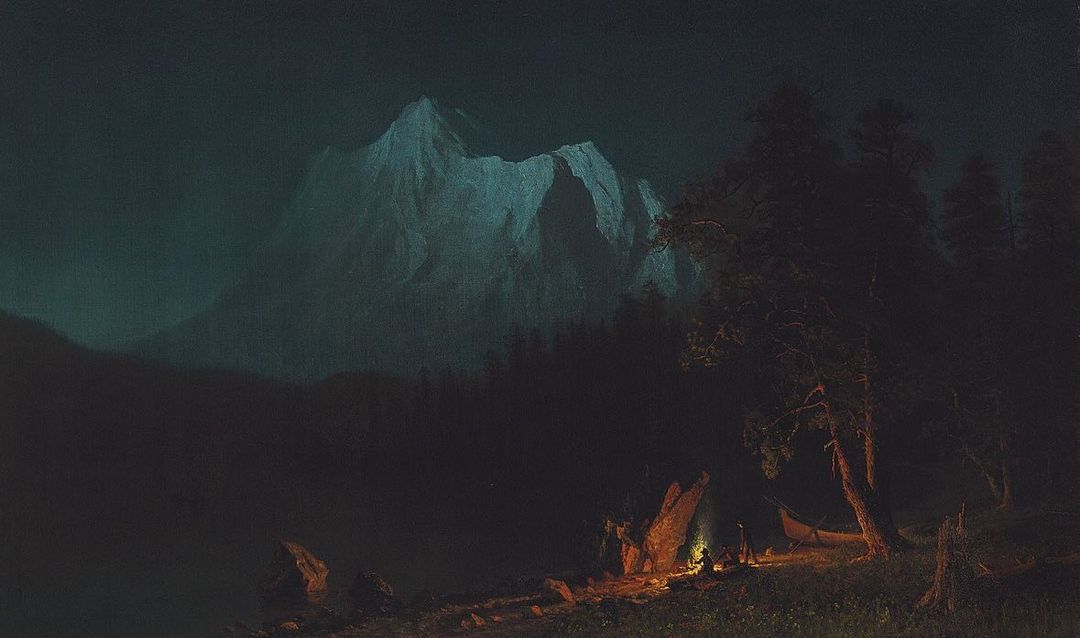
Albert Bierstadt's (1830–1902) paintings of the untamed American West are some of the most significant historical and artistic accomplishments of the 19th century. The...
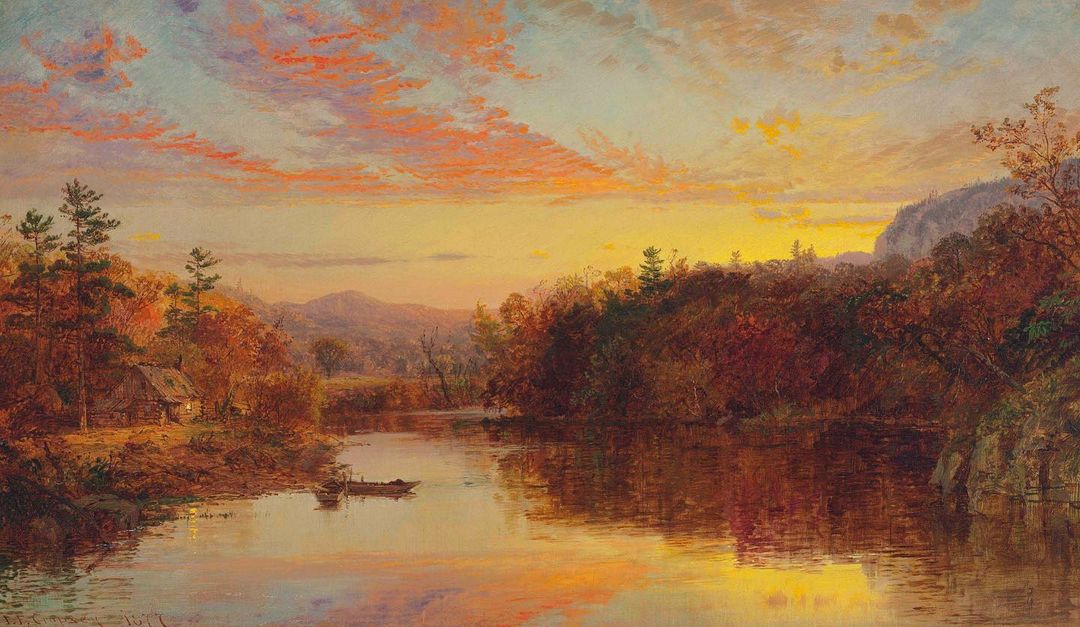
While this work has been historically identified as Lake George, the composition more closely resembles Cropsey's paintings of Greenwood Lake in Orange County, New York....
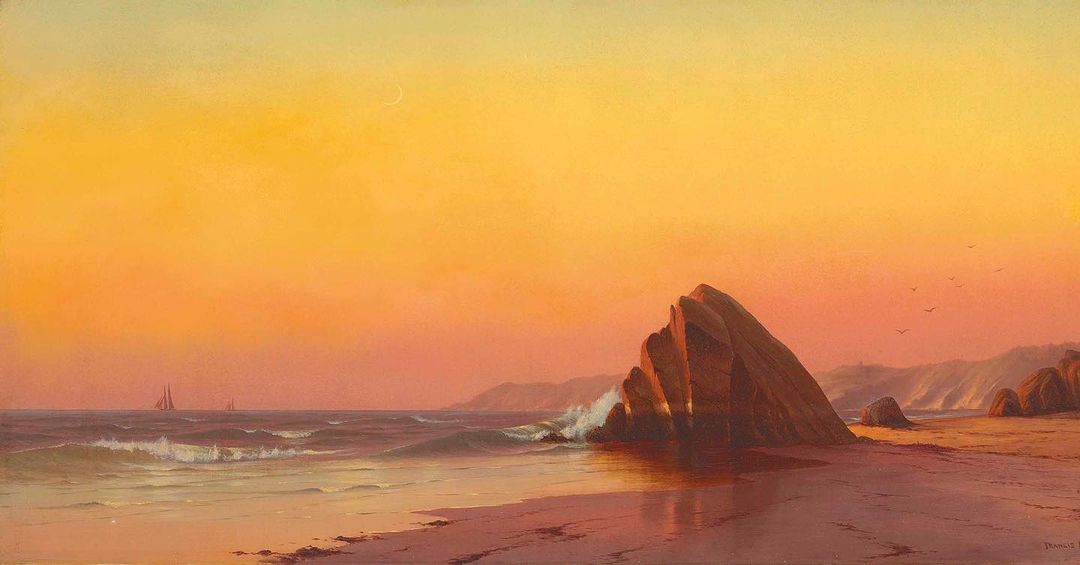
“The New England Coast” belongs to an important subset of Francis Augustus Silva's (1835—1886) coastal landscapes in which he manipulates the landscape to achieve...
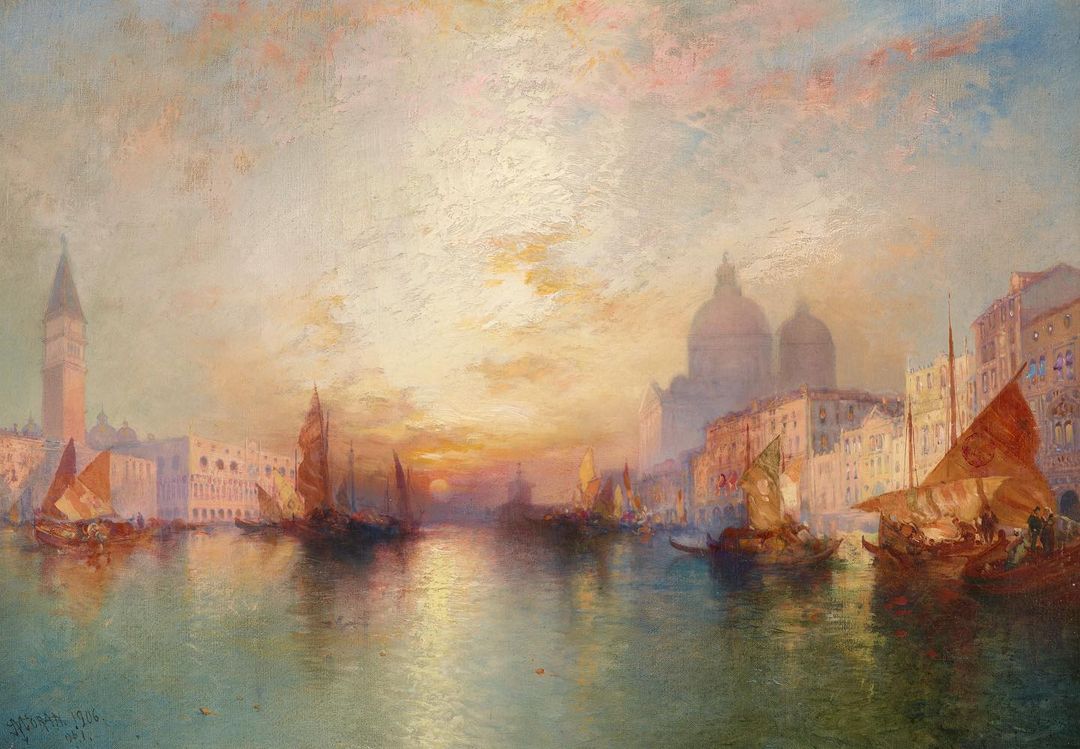
Thomas Moran (1837—1926) is perhaps best known for his paintings of the American West, but at the age of forty nine he became captivated by the Italian city of Venice,...
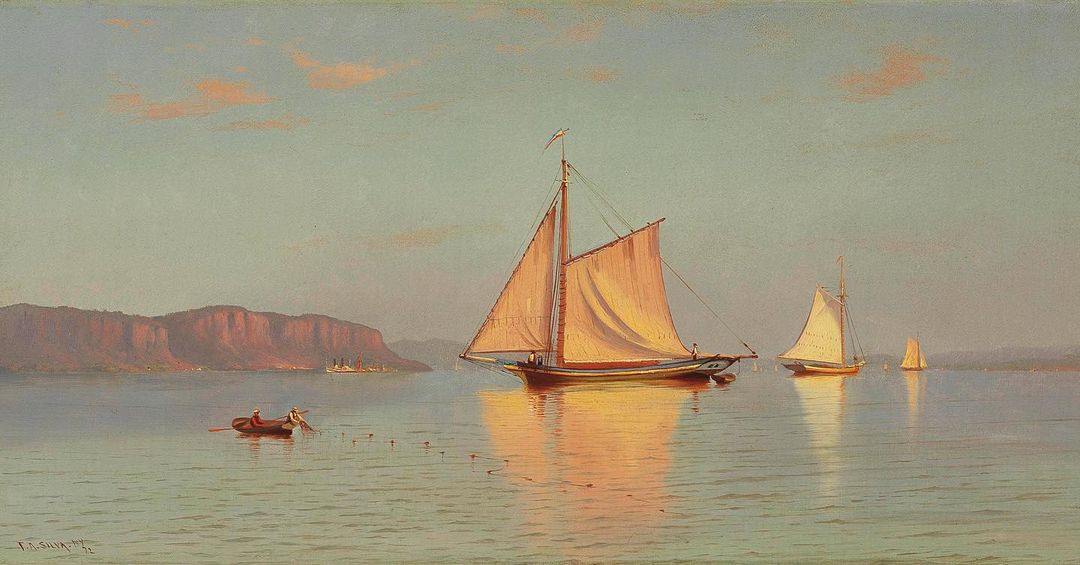
Francis Augustus Silva (1835—1886), who lived in Brooklyn and maintained a studio in Manhattan, made frequent trips up the Hudson River in the 1870s to gather...
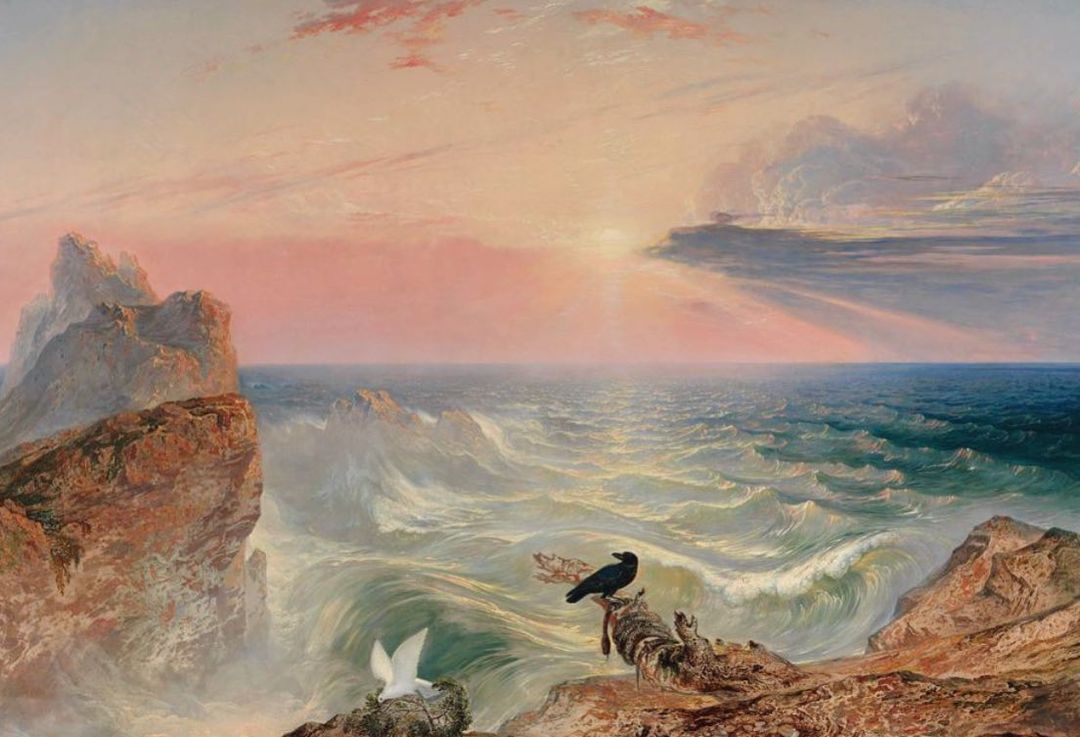
John Martin 1789—1854) was largely a self-taught artist, who achieved through his vivid imagination and bold, theatrical style an epitome of the romantic sublime in...
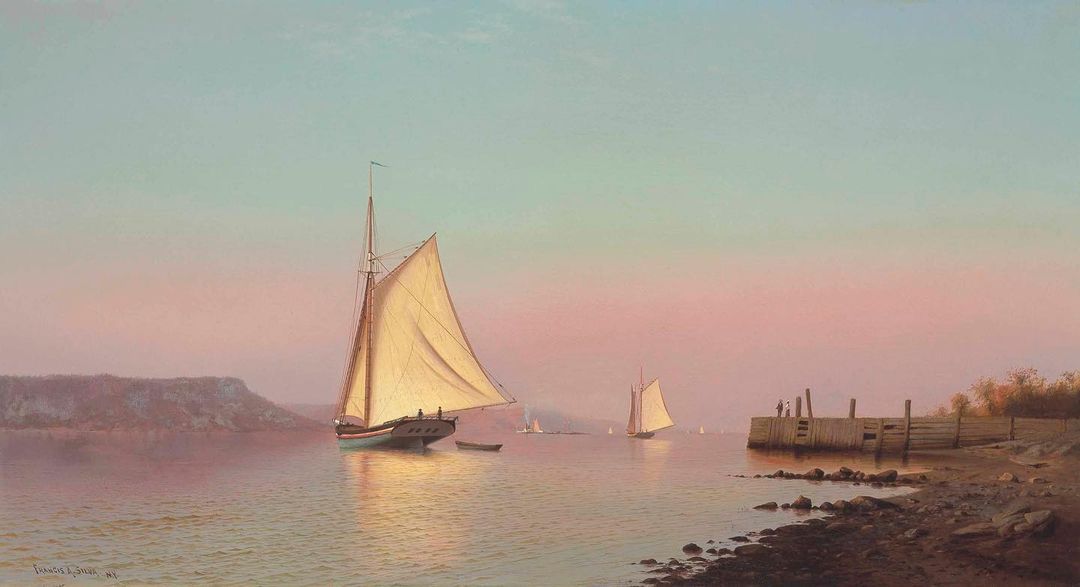
Painted circa 1873, “October on the Hudson” is one of Francis Augustus Silva’s (1835—1886) most successful forays in the luminist idiom, characterised by an emphasis on...
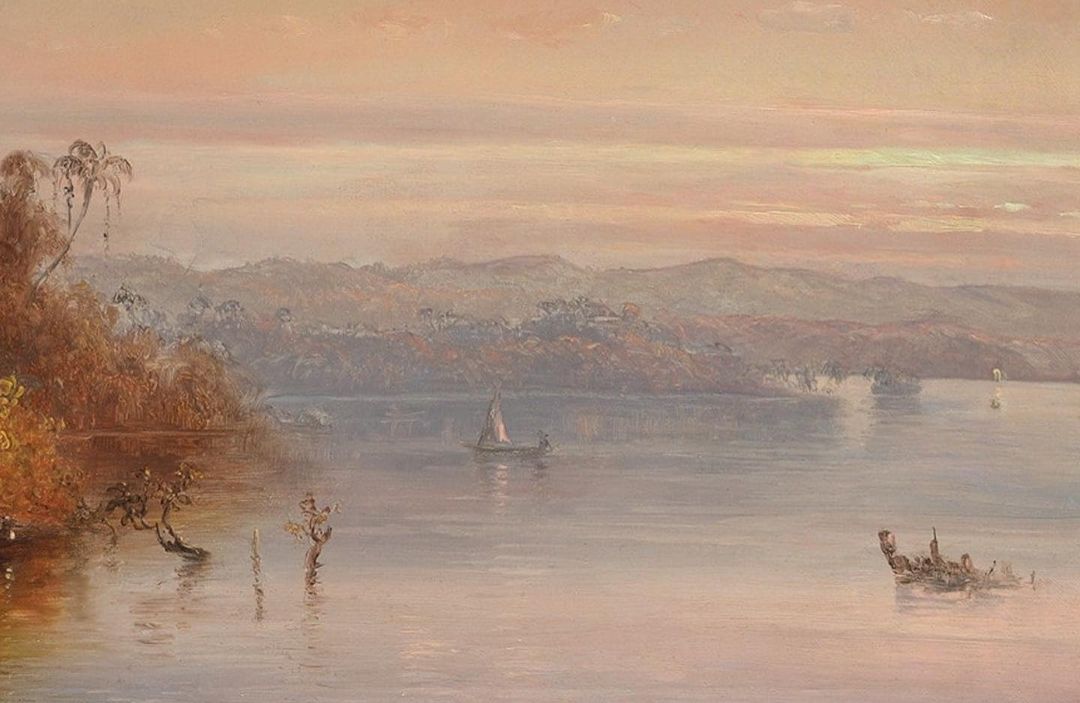
Norton Bush (1834—1894) was born in Rochester, New York and as a teenager studied with Hudson River School landscape painters known for their detailed and dramatic...
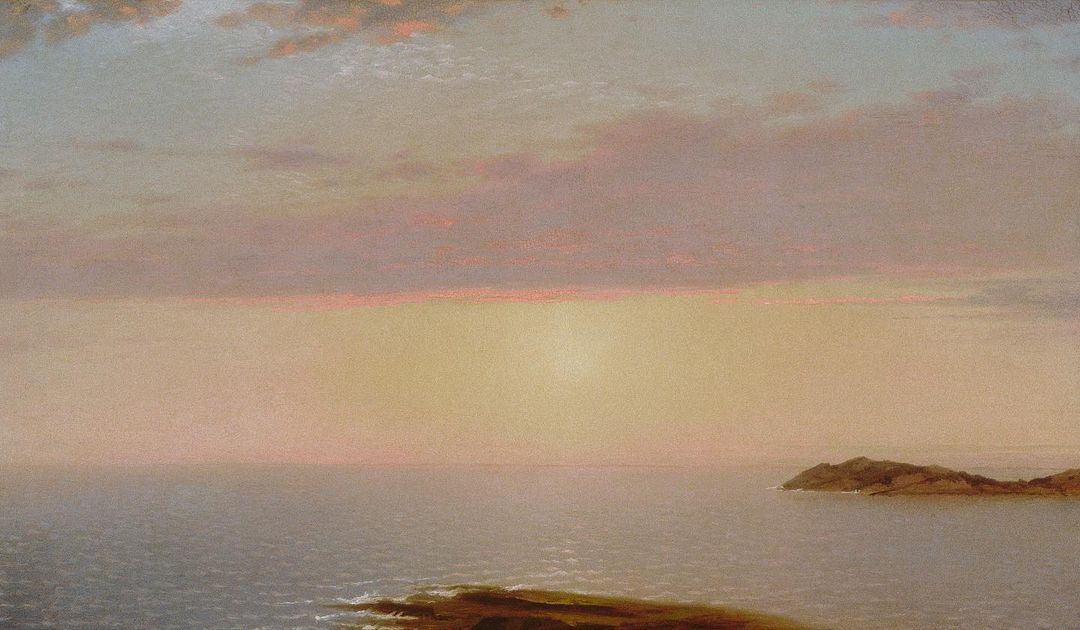
The group of paintings called "The Last Summer's Work," left behind in John Frederick Kensett's (1816—1872) summer studio at Darien, Connecticut, at his death in...
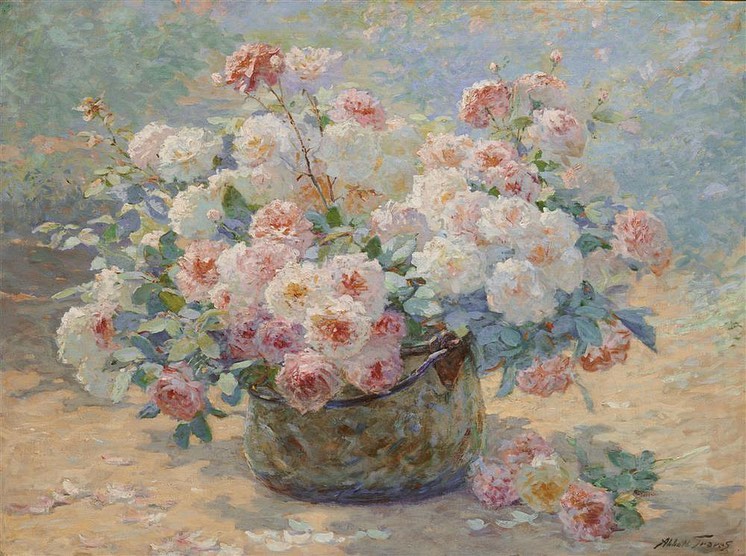
Abbott Fuller Graves (1859—1936) determined early to become a great painter of flowers. His formal art training began in Boston and continued in Paris, where in 1884 he...
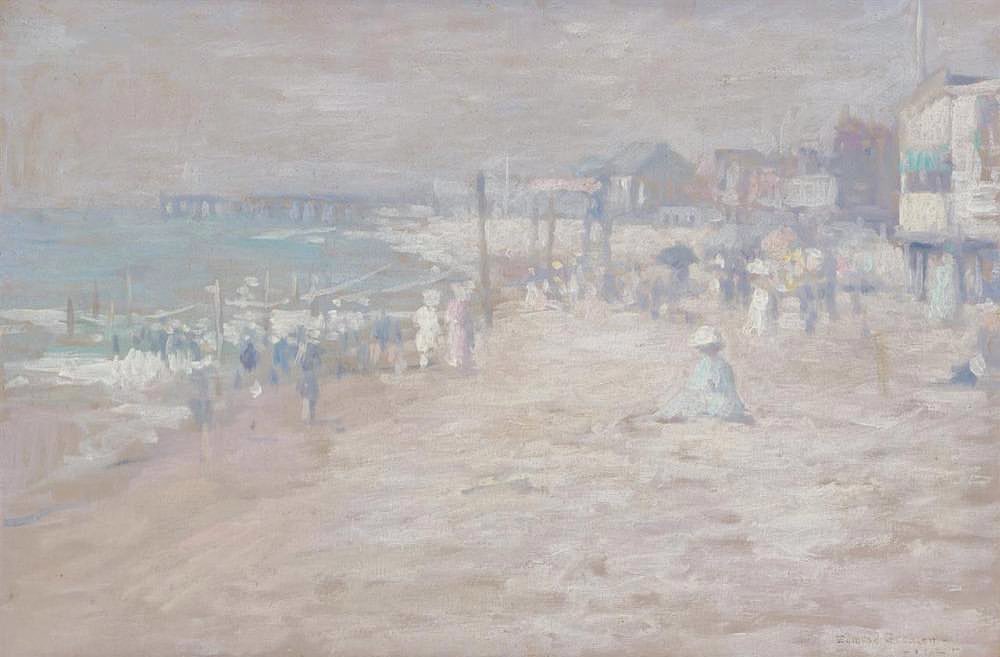
Edmund William Greacen (1873/76—1949/51) was an American Impressionist painter. His active career extended from 1905 to 1935, during which he created many genre scenes,...
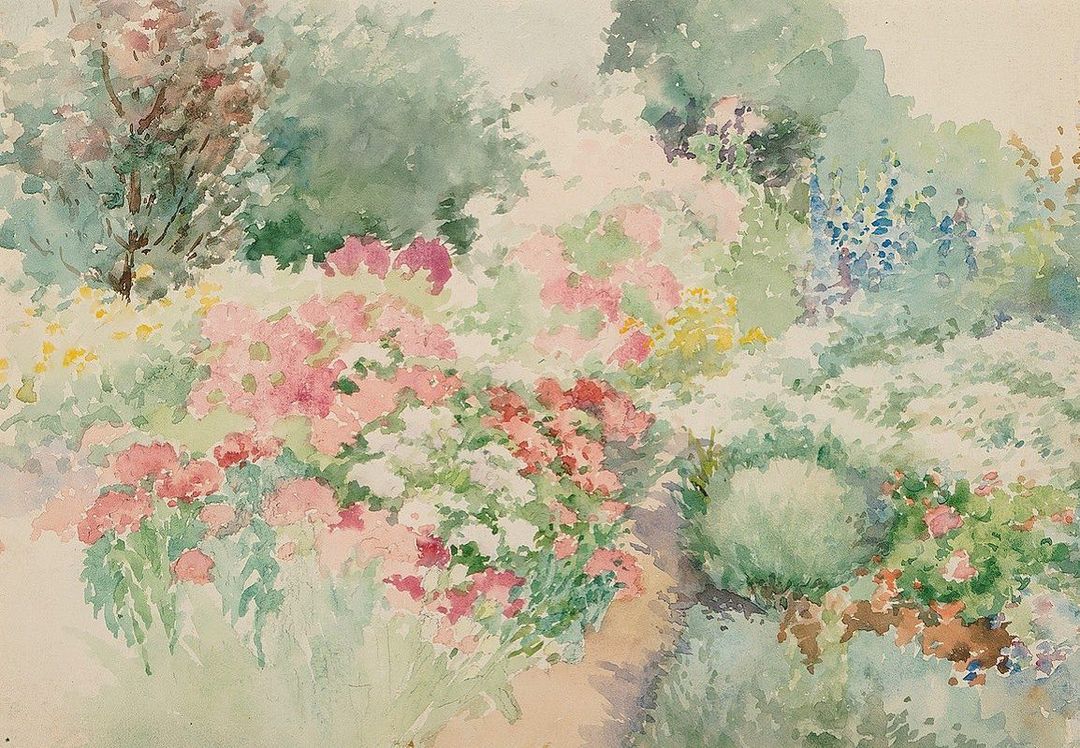
“Even the flowers don’t come back, or the green leaves. There are new flowers, new green leaves. There are other beautiful days. Nothing comes back, nothing repeats...
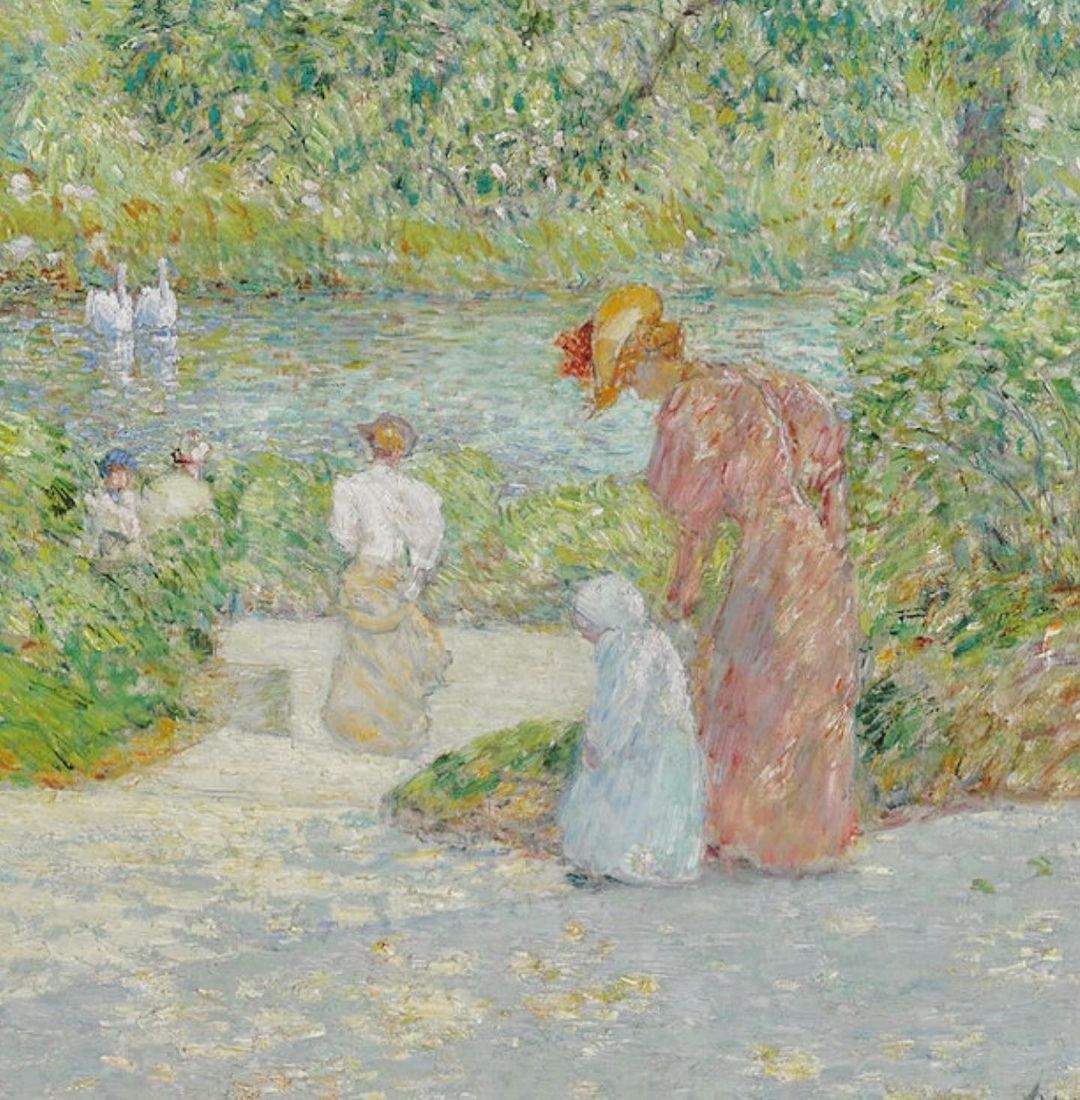
During the late 19th century, many American Impressionist artists studied alongside their French counterparts in Paris and Giverny to capture light’s fleeting effects by...
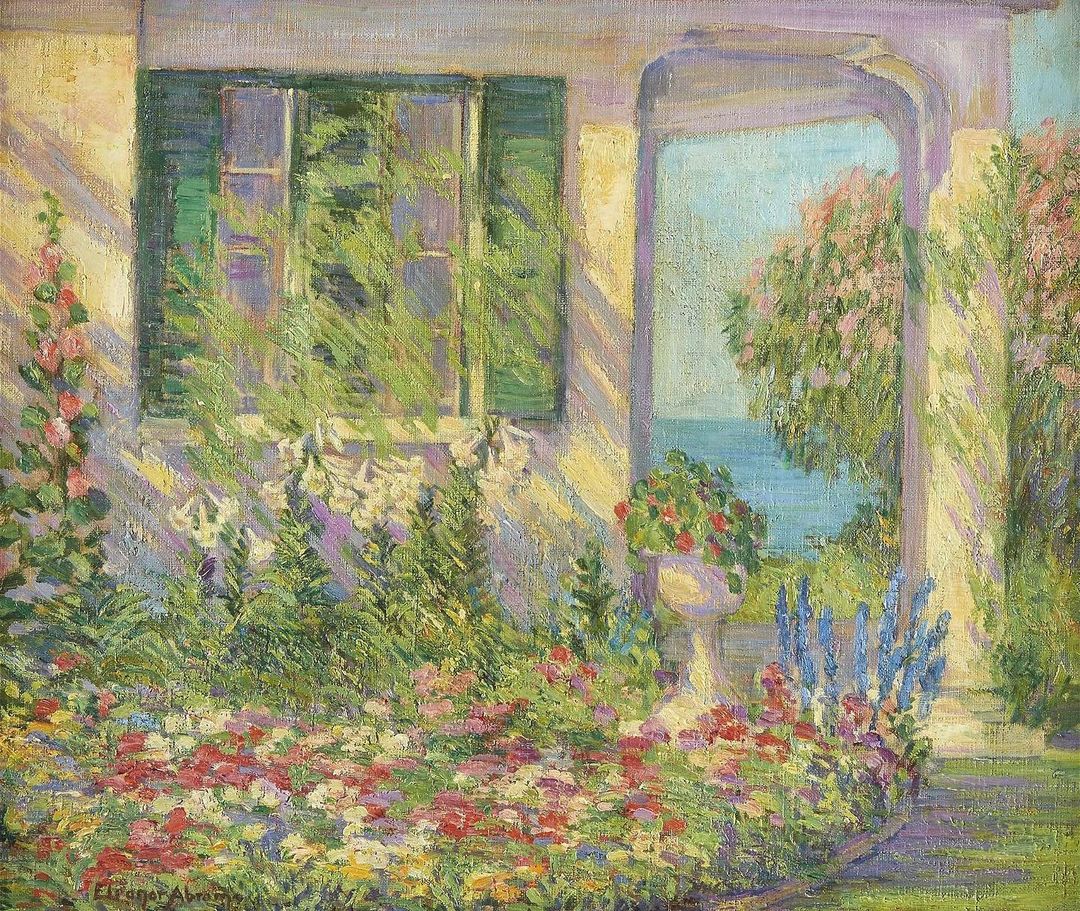
American female painter Eleanor Abrams (1885—1967) was a member of the group of women artists known as, “The Philadelphia Ten”. Abrams is best known for her vibrant...
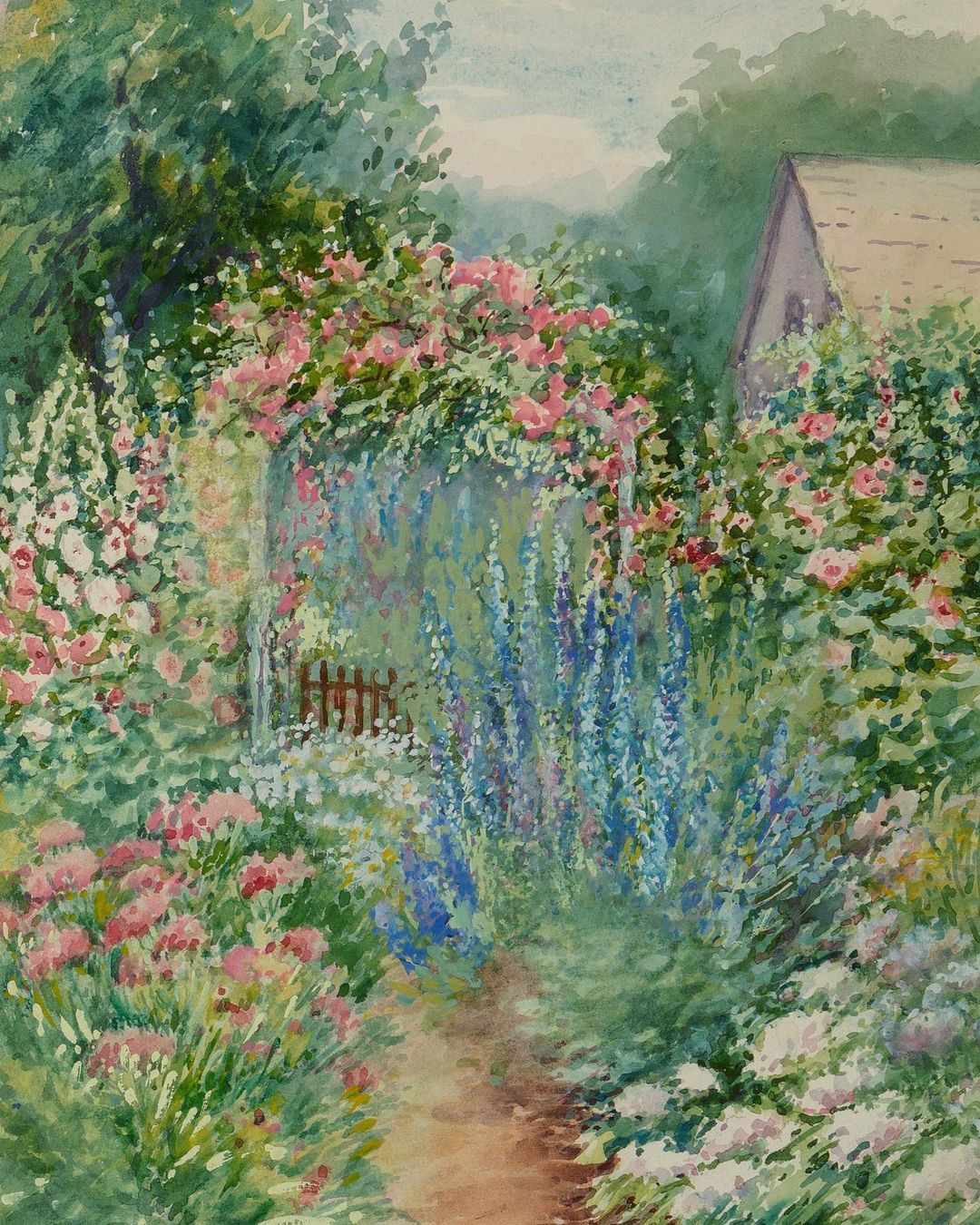
Theodore Earl Butler (1861—1936) was one of America’s most innovative Impressionist artists, and was the son-in-law of famed painter Claude Monet. Born in 1861, Butler...
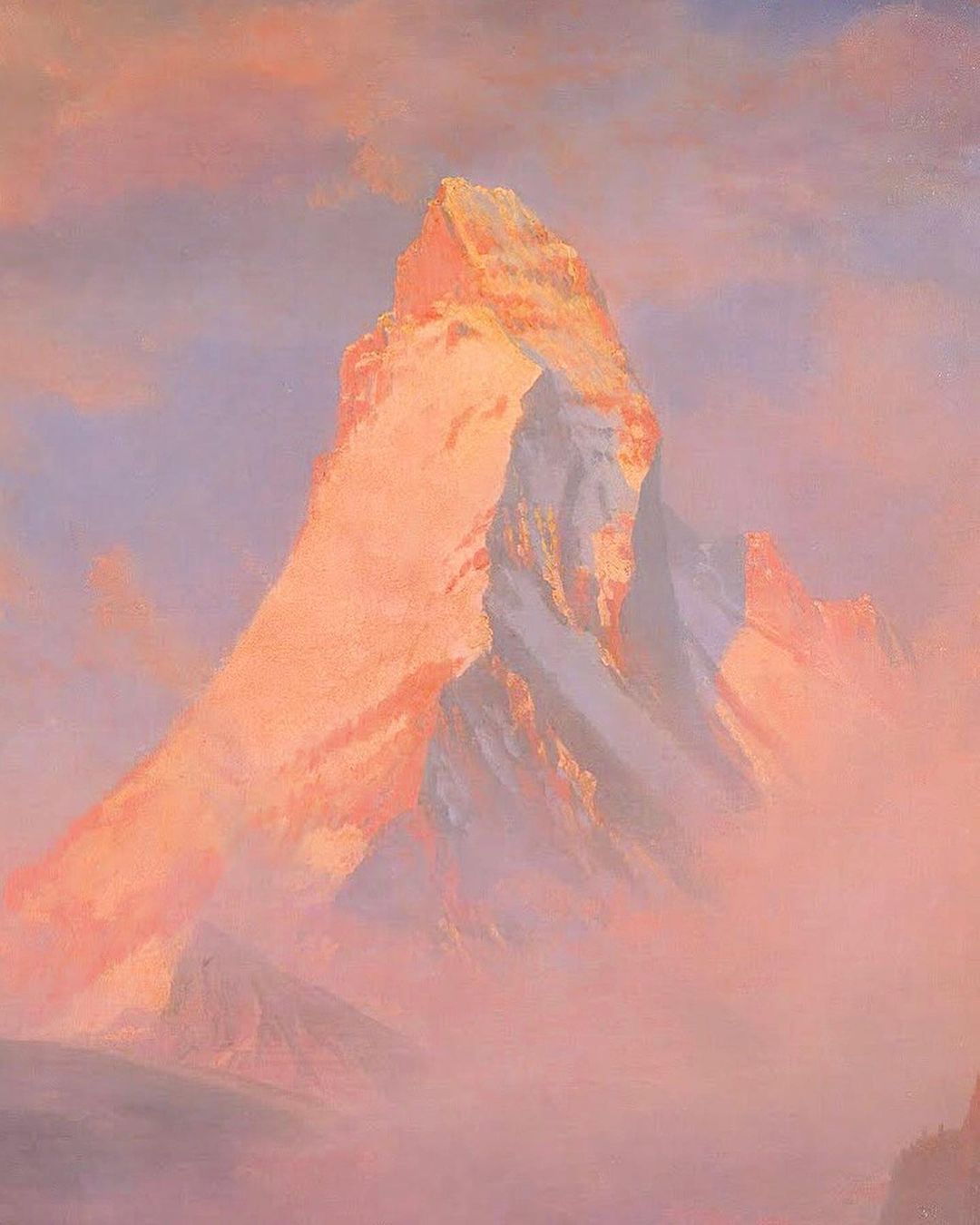
In the summer of 1856, during a four-year period of study in Europe, German-born artist Albert Bierstadt (1830-1902) joined several American colleagues on a sketching...
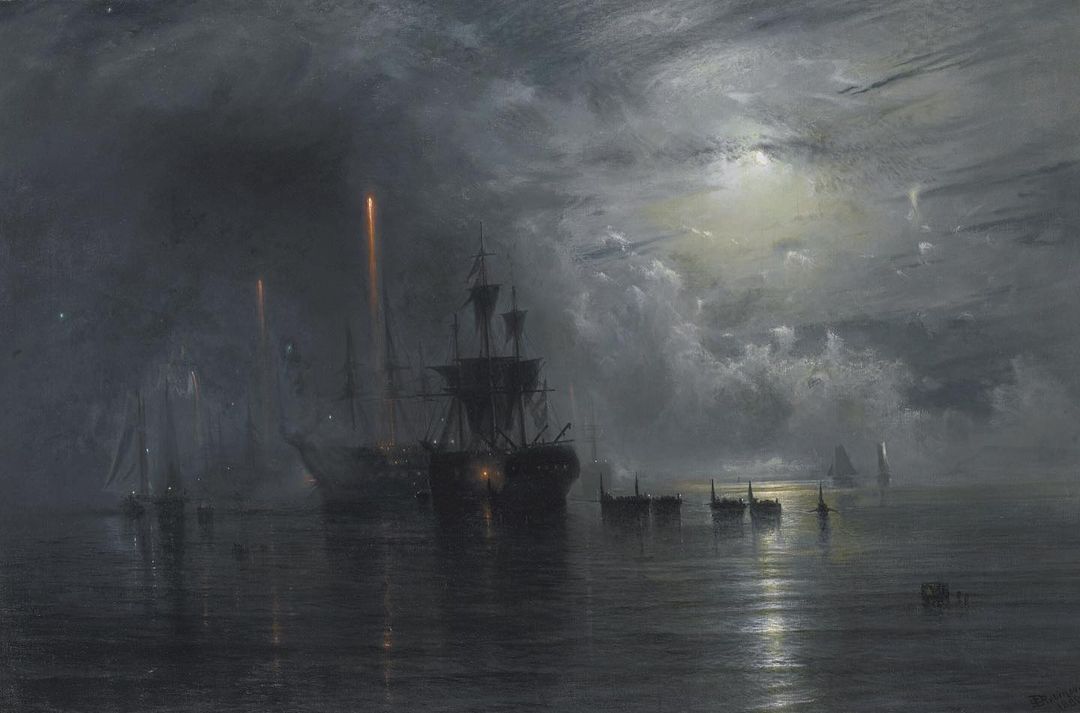
A prolific plein-air painter of western landscape, Charles Robinson (1847—1933) earned a distinguished reputation as a California artist, much of it based on his...
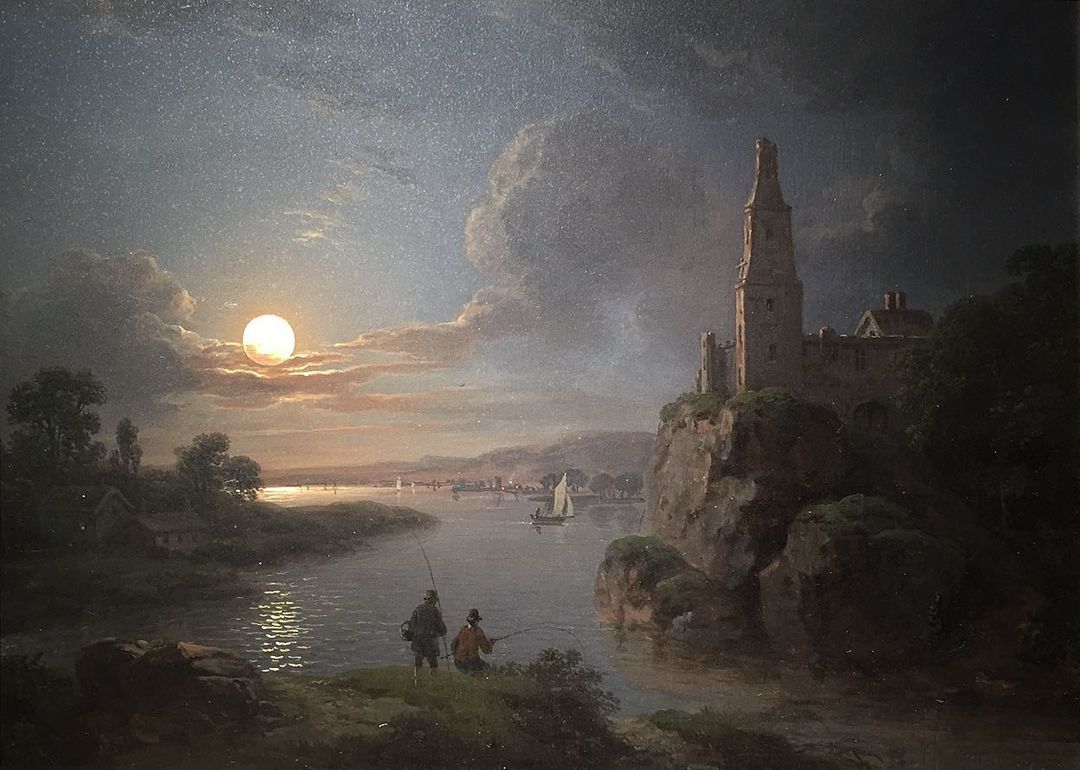
The British painter of landscapes and moonlight scenes, Sebastian Pether (1790—1844) was the son and pupil of Abraham Pether (1756—1812). Both father and son were...
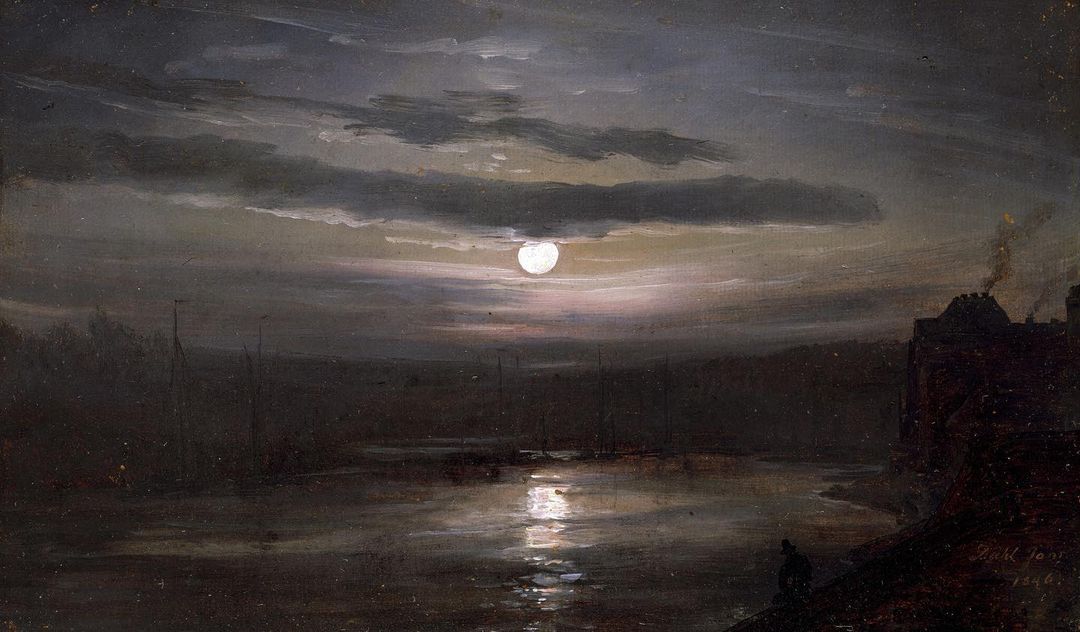
“We must pass through the darkness, to reach the light.” ― Albert Pike. Johan Christian Dahl, The Elbe in Moonlight, 1846, National Museum of Art, Architecture and...
чтобы продолжить