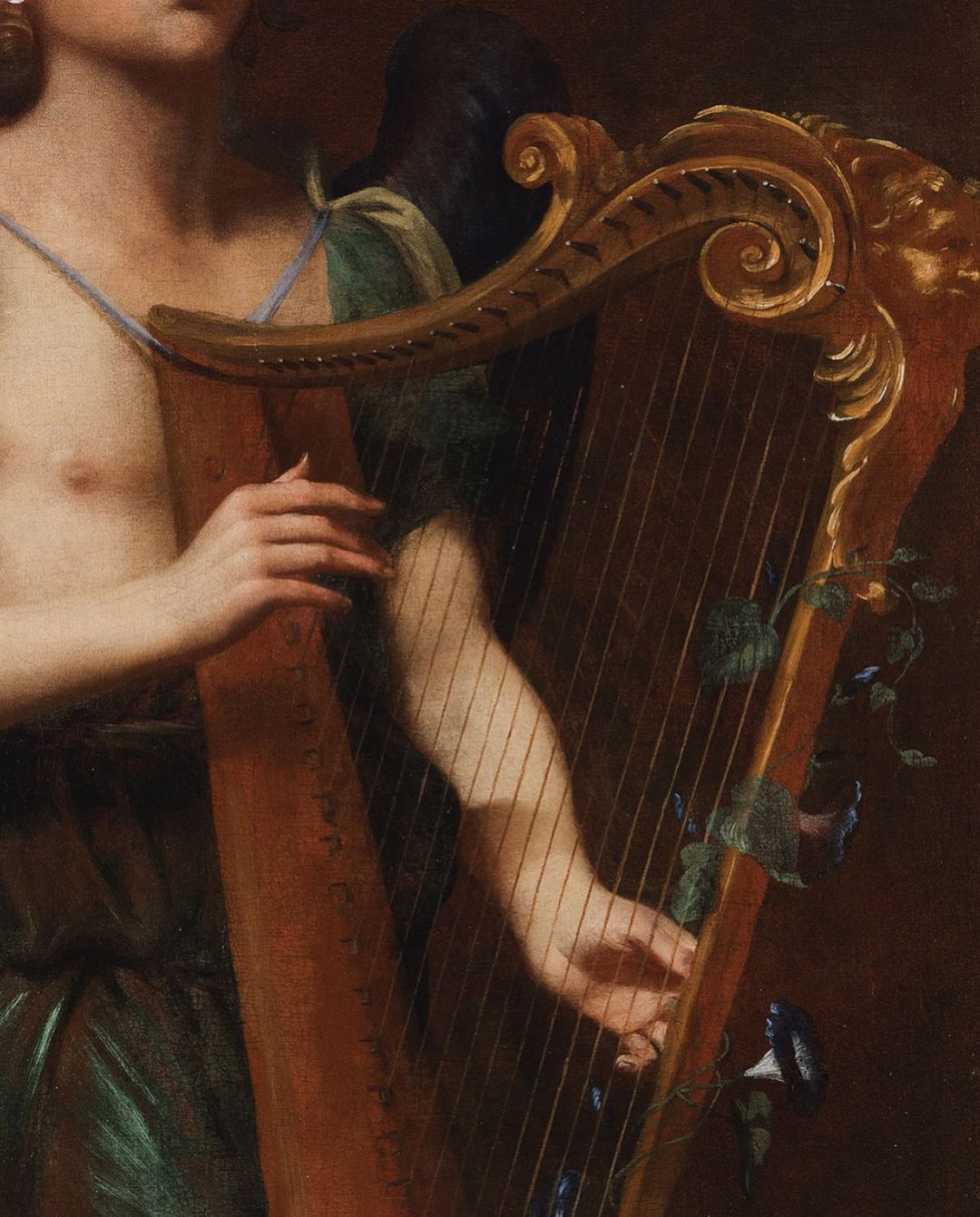
Ignaz Stern (1679—1748) was an Austrian Baroque painter who specialised in religious paintings and frescoes. Stern's style is characterised by a dramatic use of light...
Ignaz Stern (1679—1748) was an Austrian Baroque painter who specialised in religious paintings and frescoes. Stern's style is characterised by a dramatic use of light...
Attr. to Ignaz Stern, Angel Playing the Harp, 18th century 🎼 @lukesilvamusic Source: wannenesgroup.com
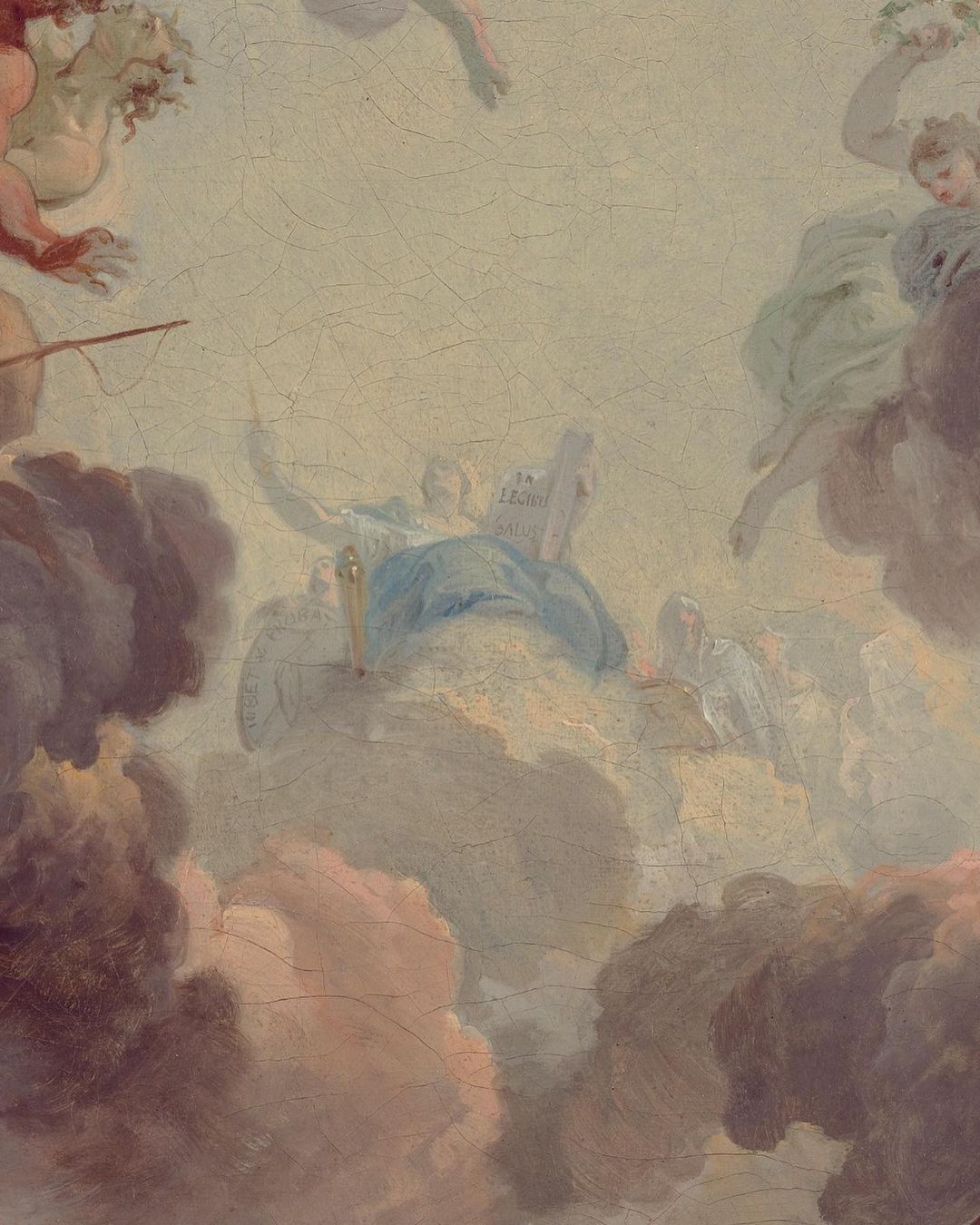
This oil sketch was made for a lost canvas ceiling painting that Dutch artist Jacob de Wit (1695—1754) executed in 1738 for the Aldermen's or Sheriffs' Hall...
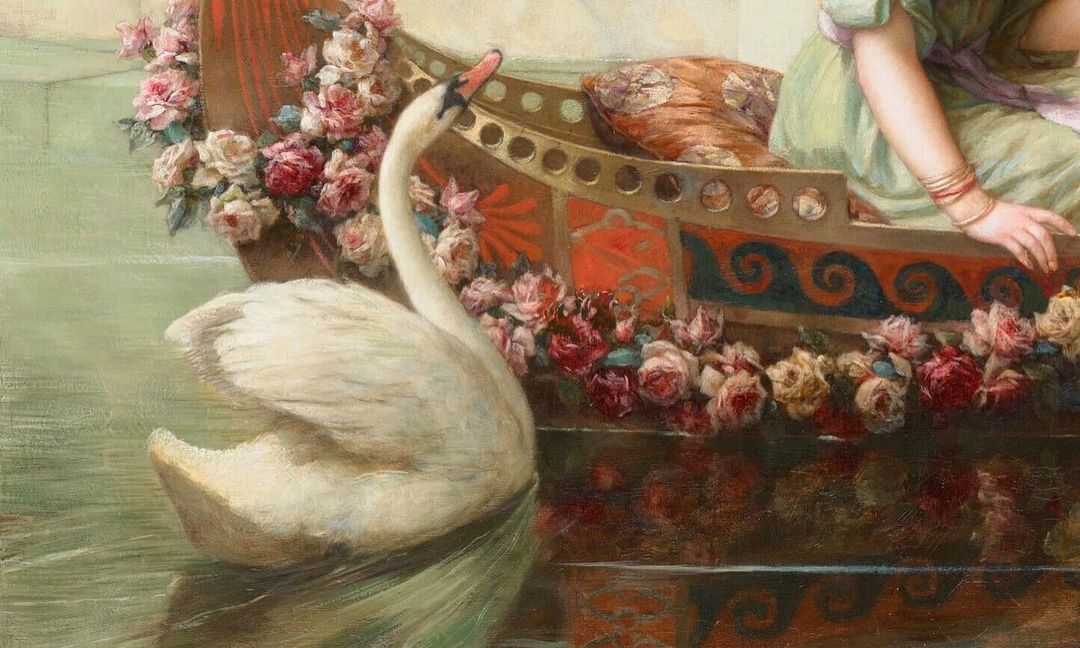
This painting is available for purchase at Christie’s British & European Art online auction on 15th of July, London @christiesinc Current bid: £2,200. Émile...
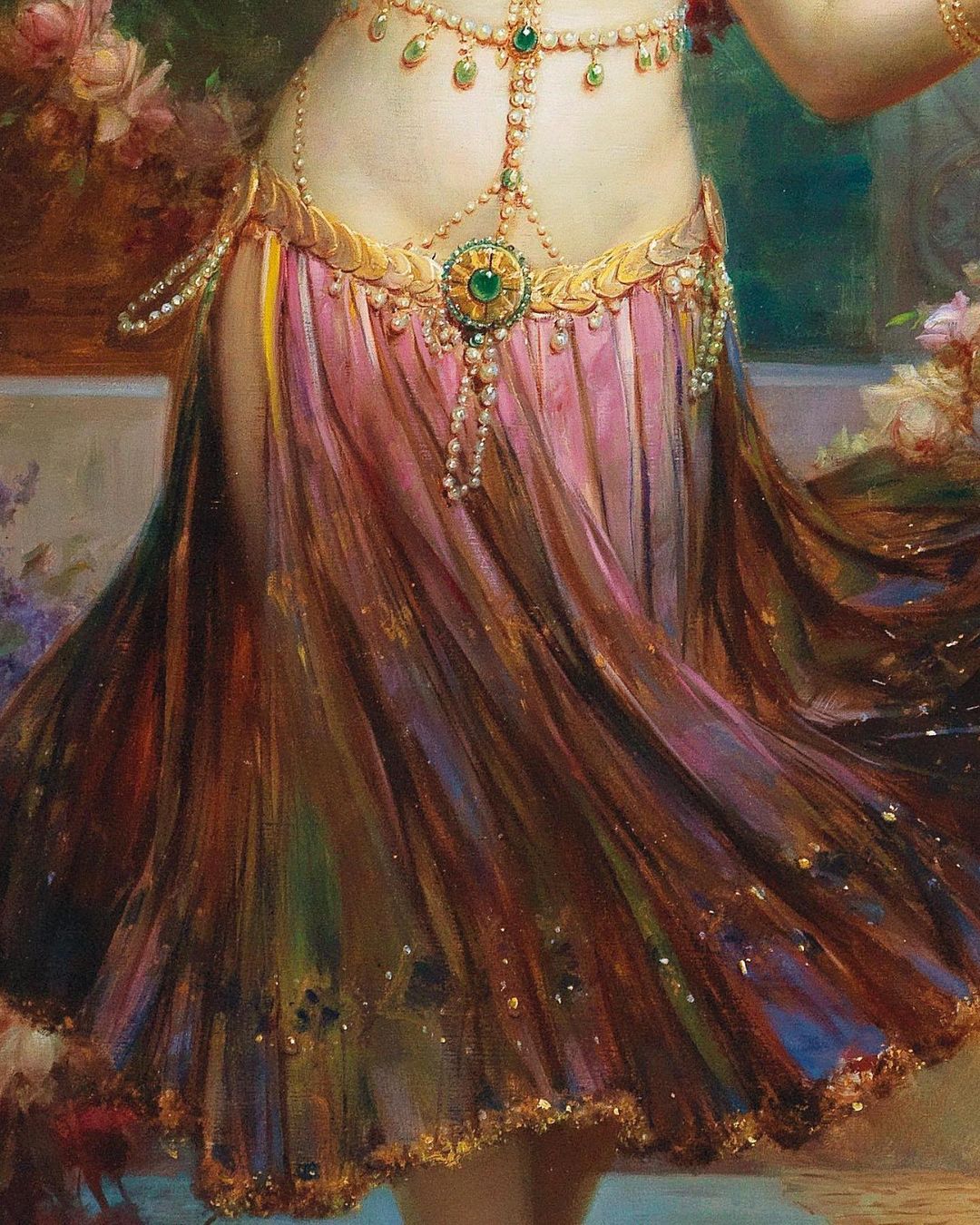
Hans Zatzka (1859—1945) was an Austrian painter known for his paintings of religious, mythological, and allegorical subjects. Trained at Vienna's Academy of Fine Arts,...
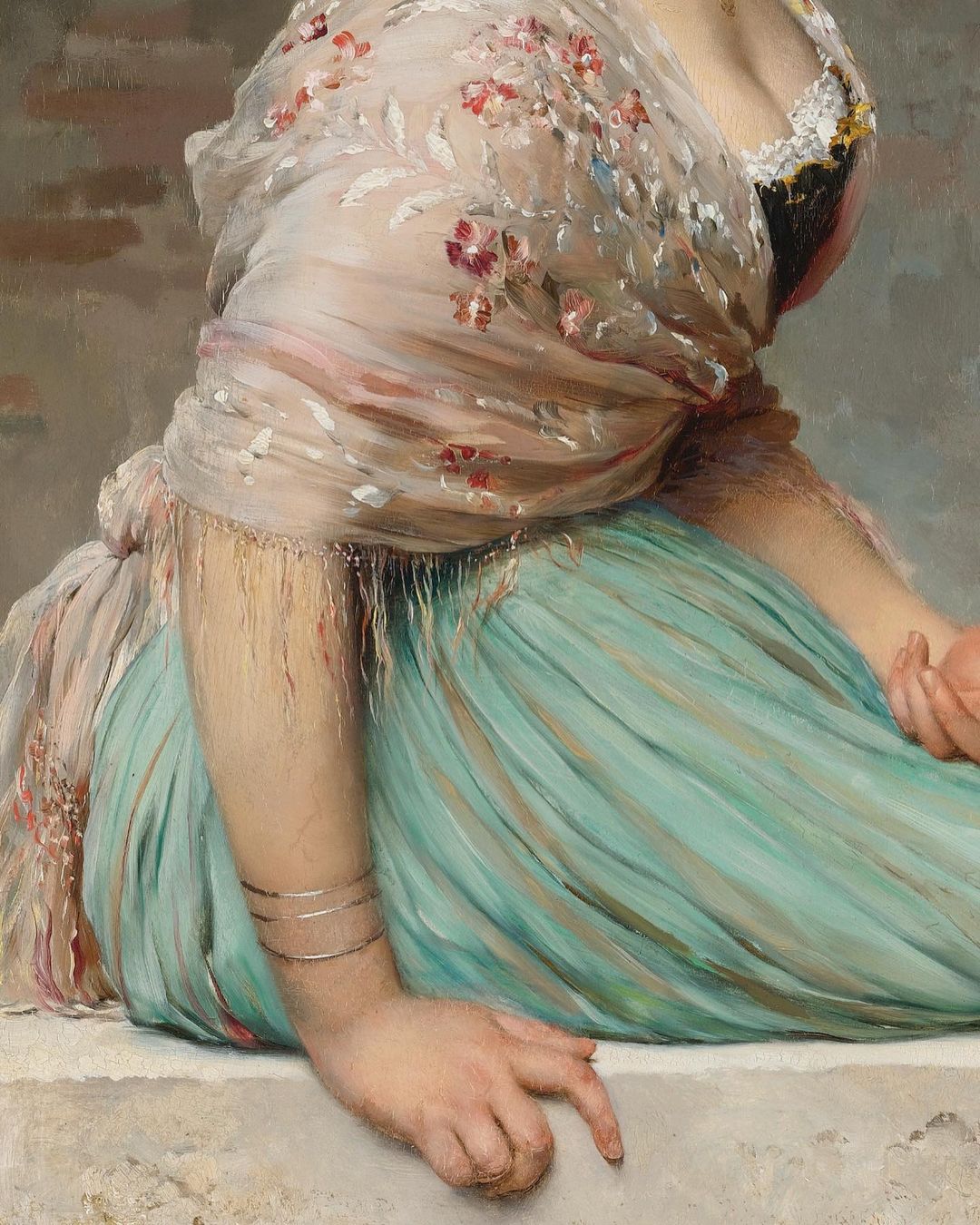
Born in 1843 in Rome to Austrian parents, Eugene de Blaas (1843—1932) was the son and student of the painter Karl von Blaas (1815—1894), who was a teacher at the Academy...
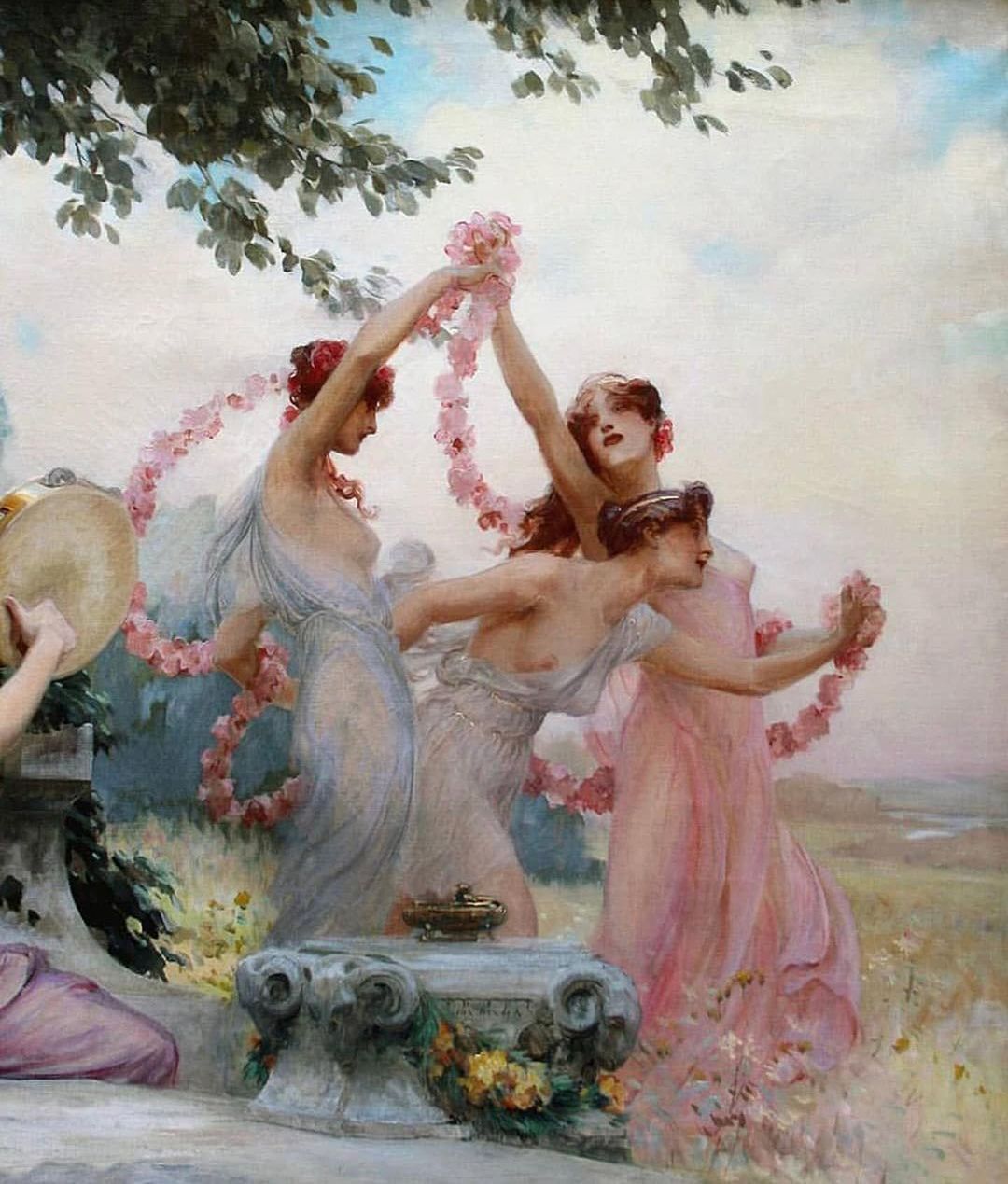
Aloïs Hans Schram (1864—1919) was a prolific Austrian painter and sculptor of historical subjects, nudes, portraits, genre scenes, landscapes and seascapes. Schram...
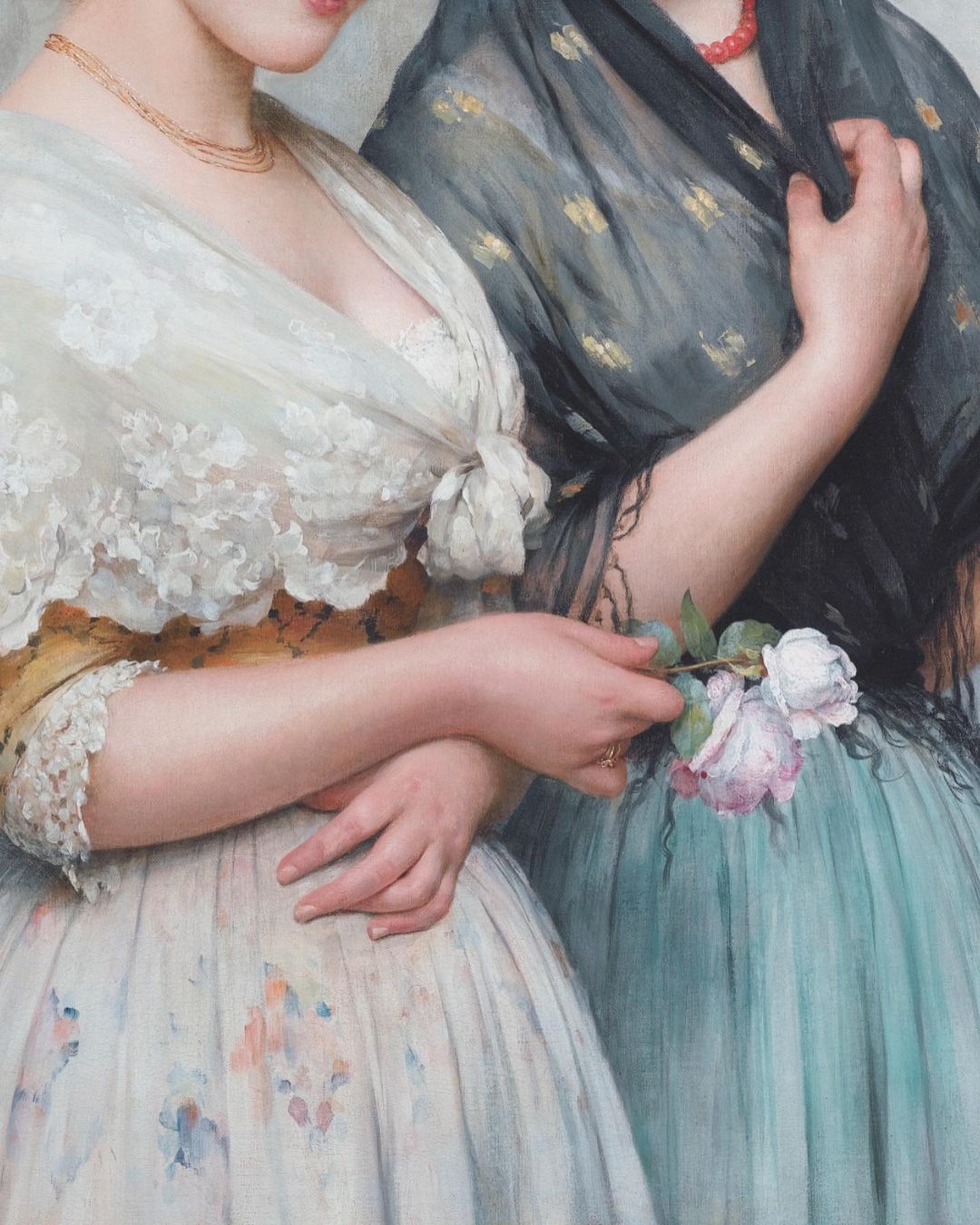
It was in Venice that Eugene de Blaas (1843—1932) established himself as the leading painter of Venetian genre. The golden Italian climate and the magnificent old stone...
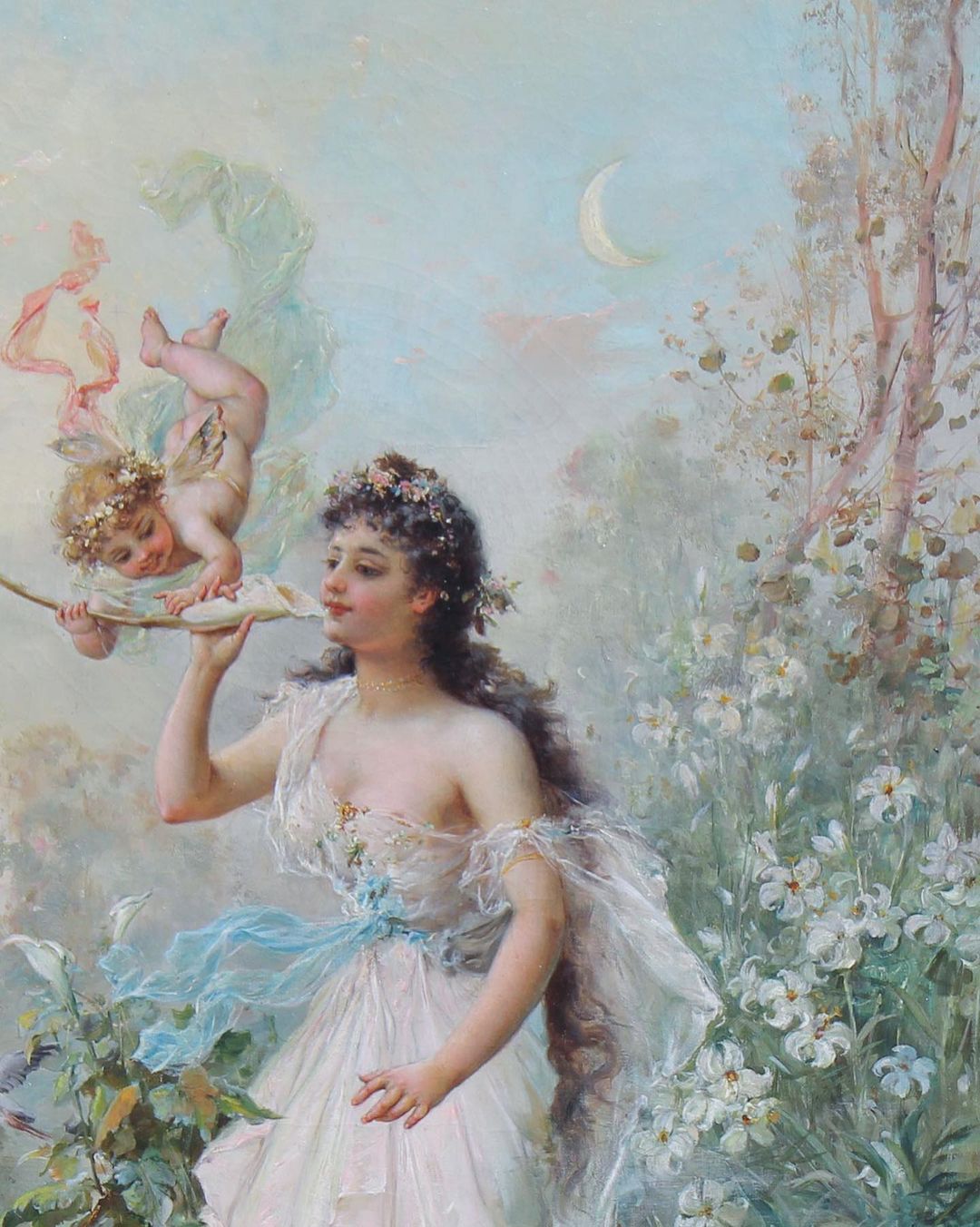
“We are made wise not by the recollection of our past, but by the responsibility for our future.” — George Bernard Shaw. Hans Zatzka, Allegorical Painting of Two Cherubs...
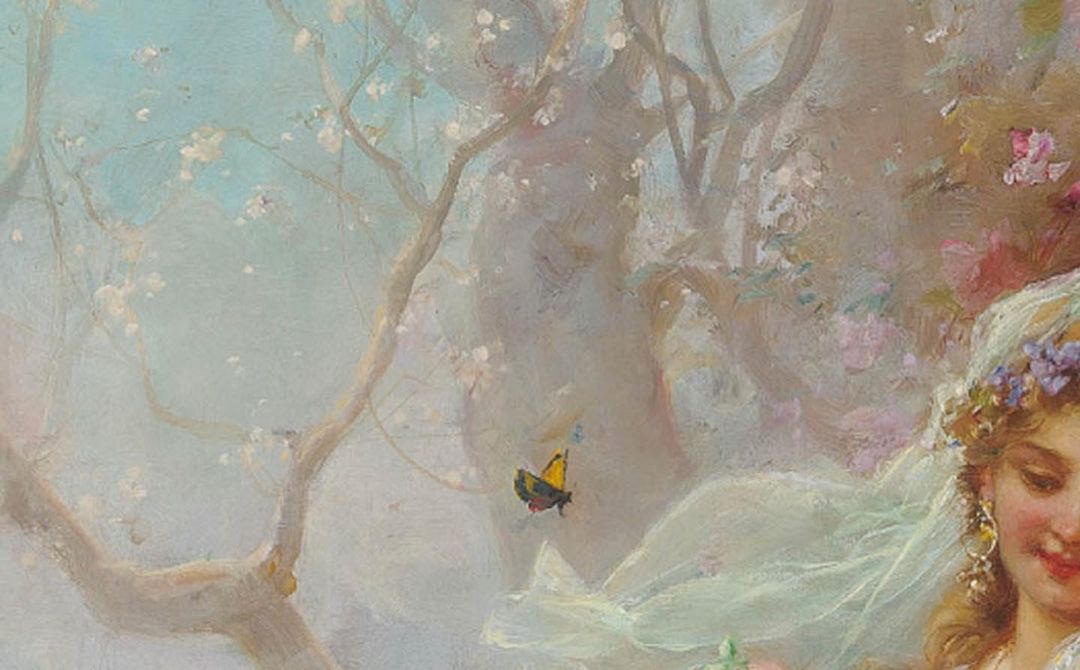
Hans Zatzka (1859—1945) was an Austrian Academic and fantasy painter. He has sometimes been known as P. Ronsard, Pierre de Ronsard, or H. Zabateri, and signed many of...
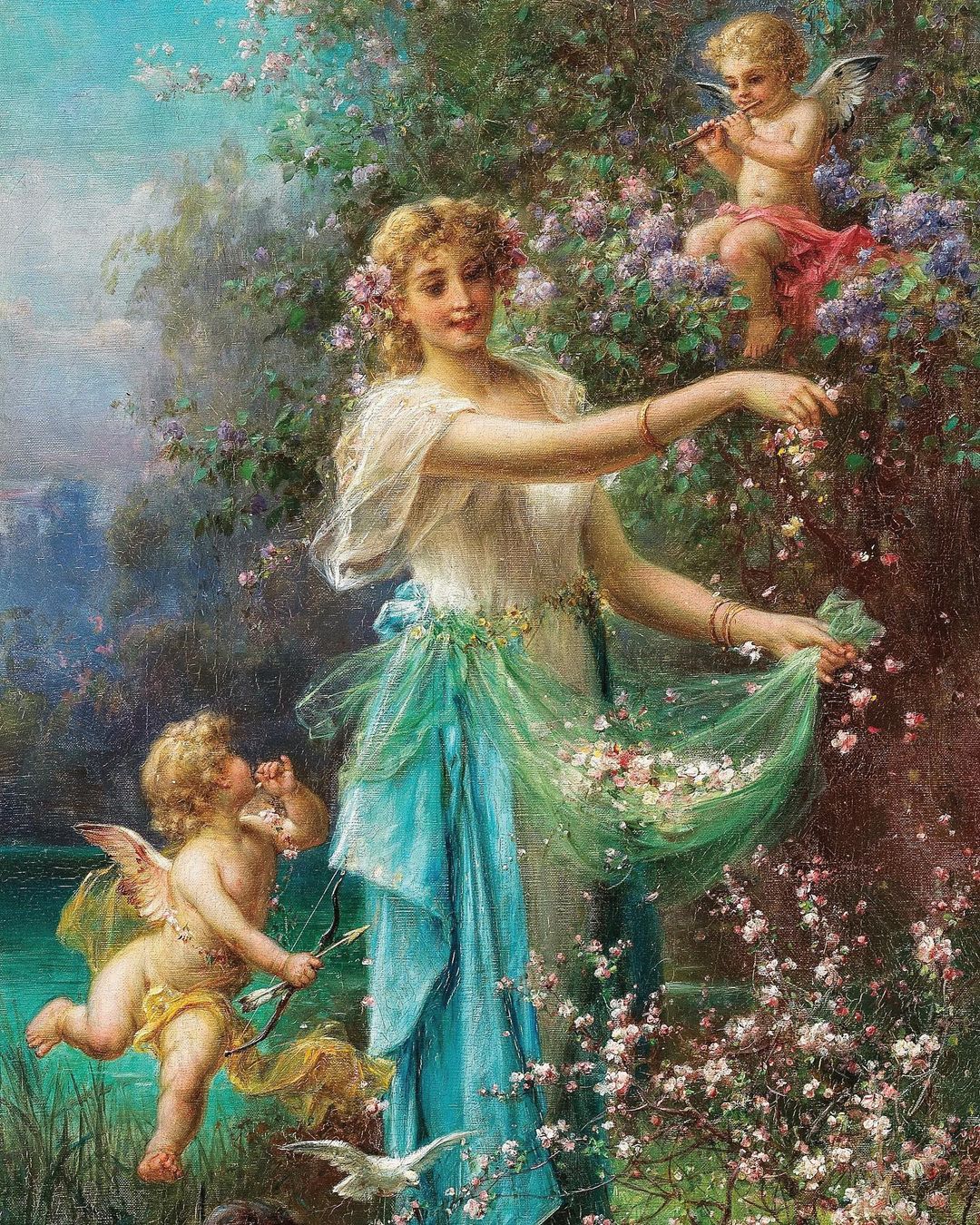
Hans Zatzka (1859—1945) was born in Vienna and, at the young age of eighteen, enrolled in the Academy of Fine Arts. He painted under several pseudonyms: H. Zabateri, P....
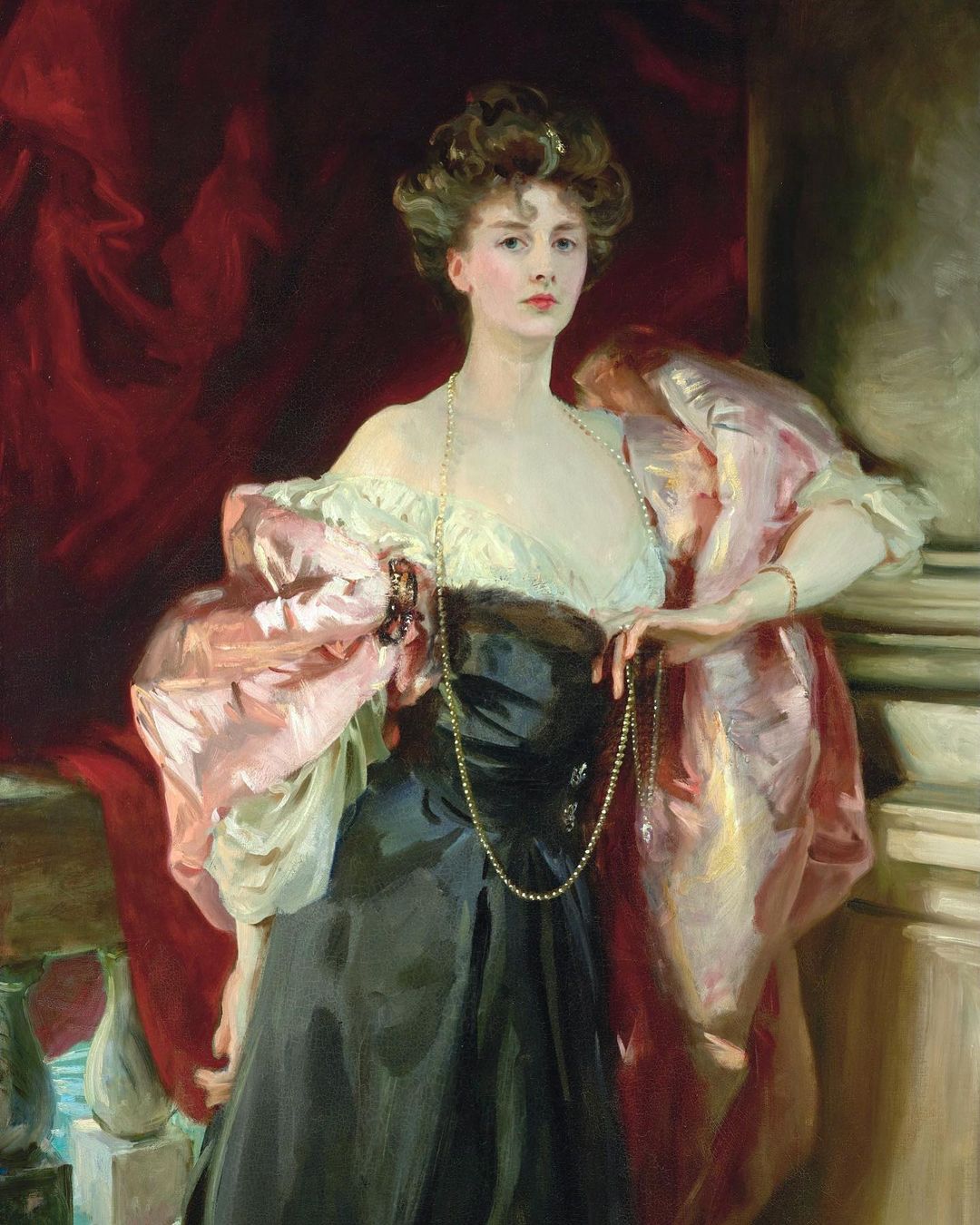
Lady Helen Venetia Vincent, Viscountess D'Abernon (1866—1954) was a British noblewoman, socialite and diarist. She and her sister, Hermione, Duchess of Leinster, were...
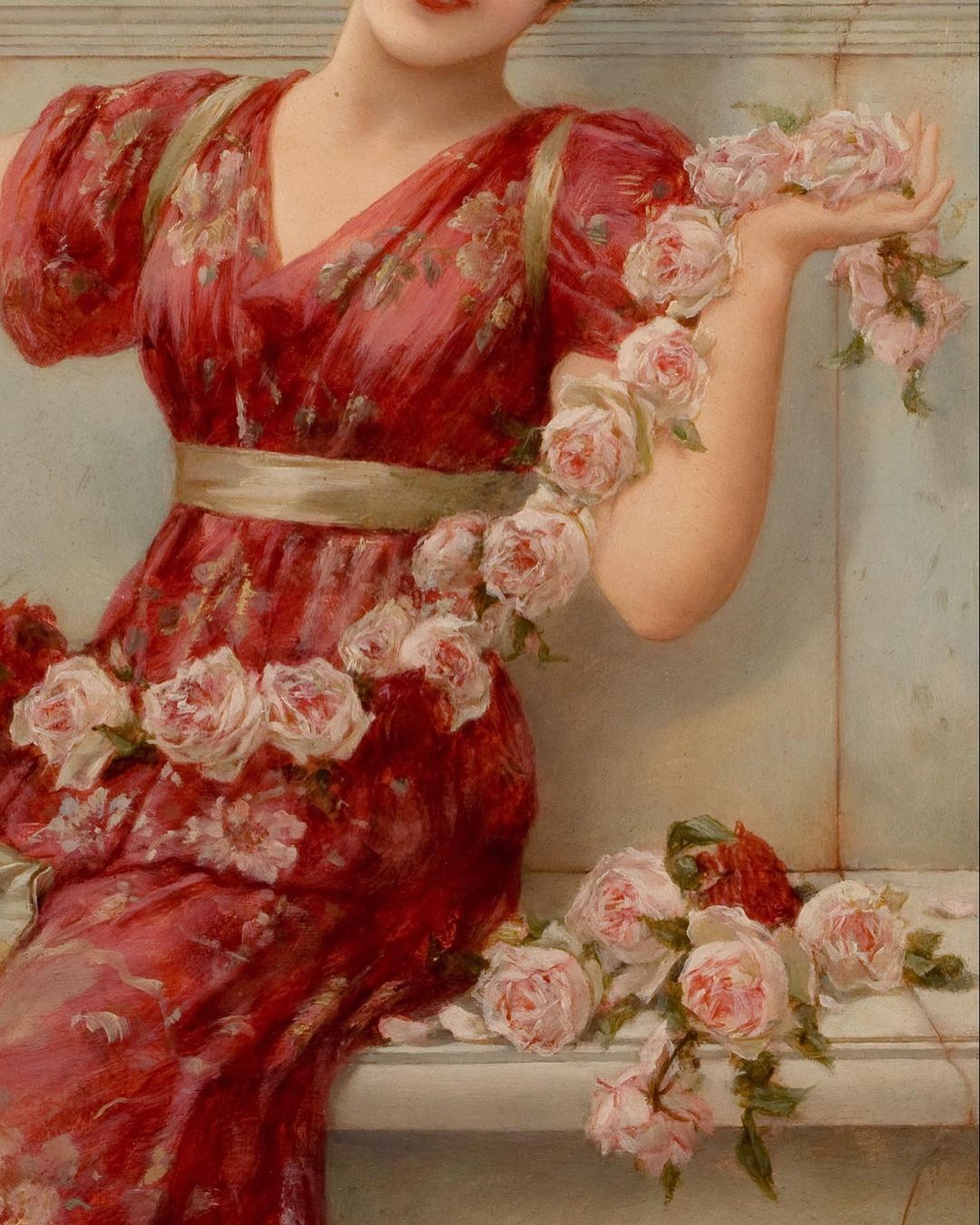
Émile Eisman-Semenowsky (1857—1911) was most likely born in Poland, but worked in France. He was influenced by oriental subjects, a widespread phenomenon in French 19th...
Botticelli: Virtual Exhibition Tour with @arthistorydiary Discover creative genius of Sandro Botticelli (1445-1510) and his workshop at the beautiful Musée...
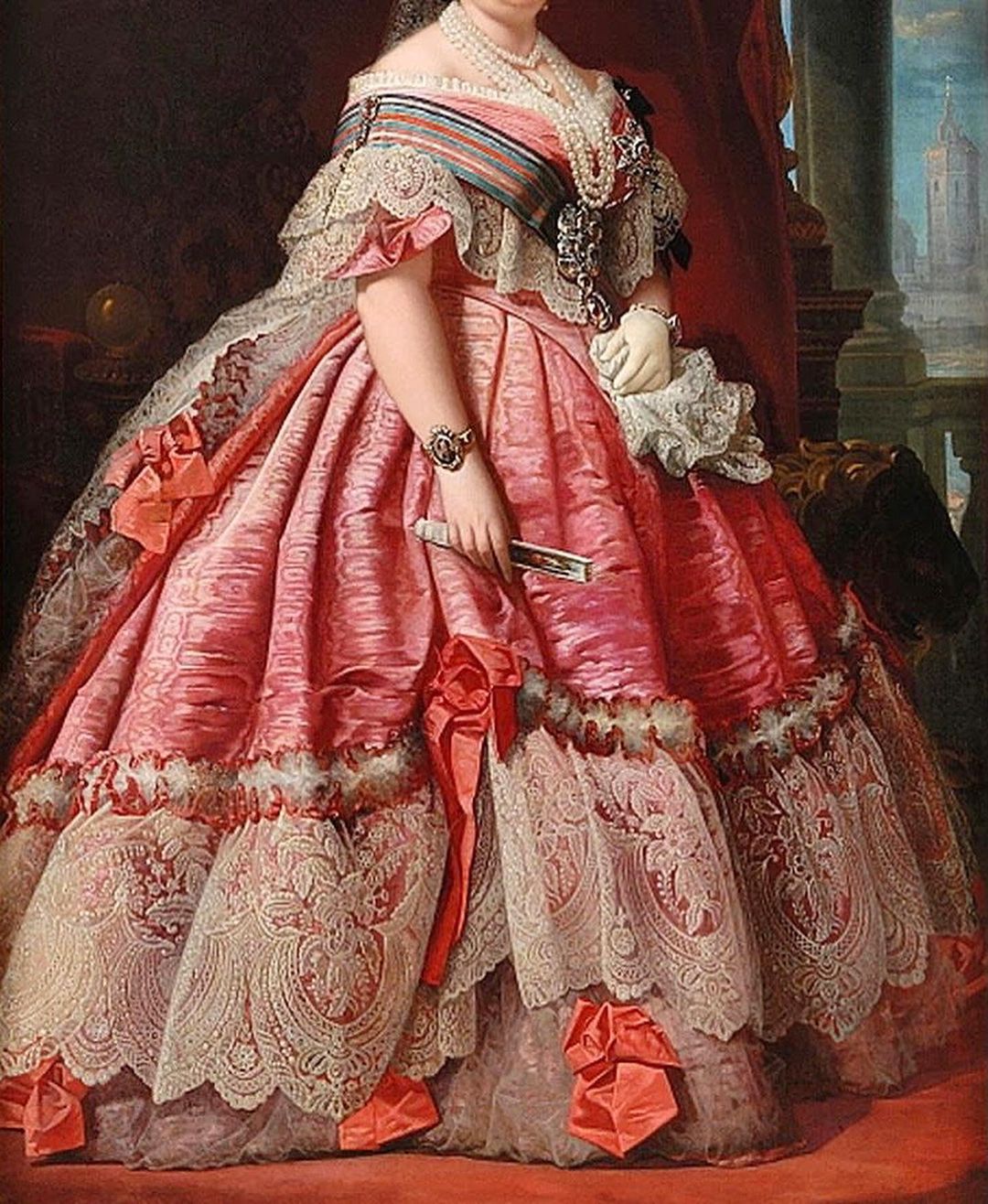
Queen of Spain, Isabella II was born in the Royal Palace of Madrid in 1830, the eldest daughter of King Ferdinand VII of Spain, and of his fourth wife and niece, Maria...
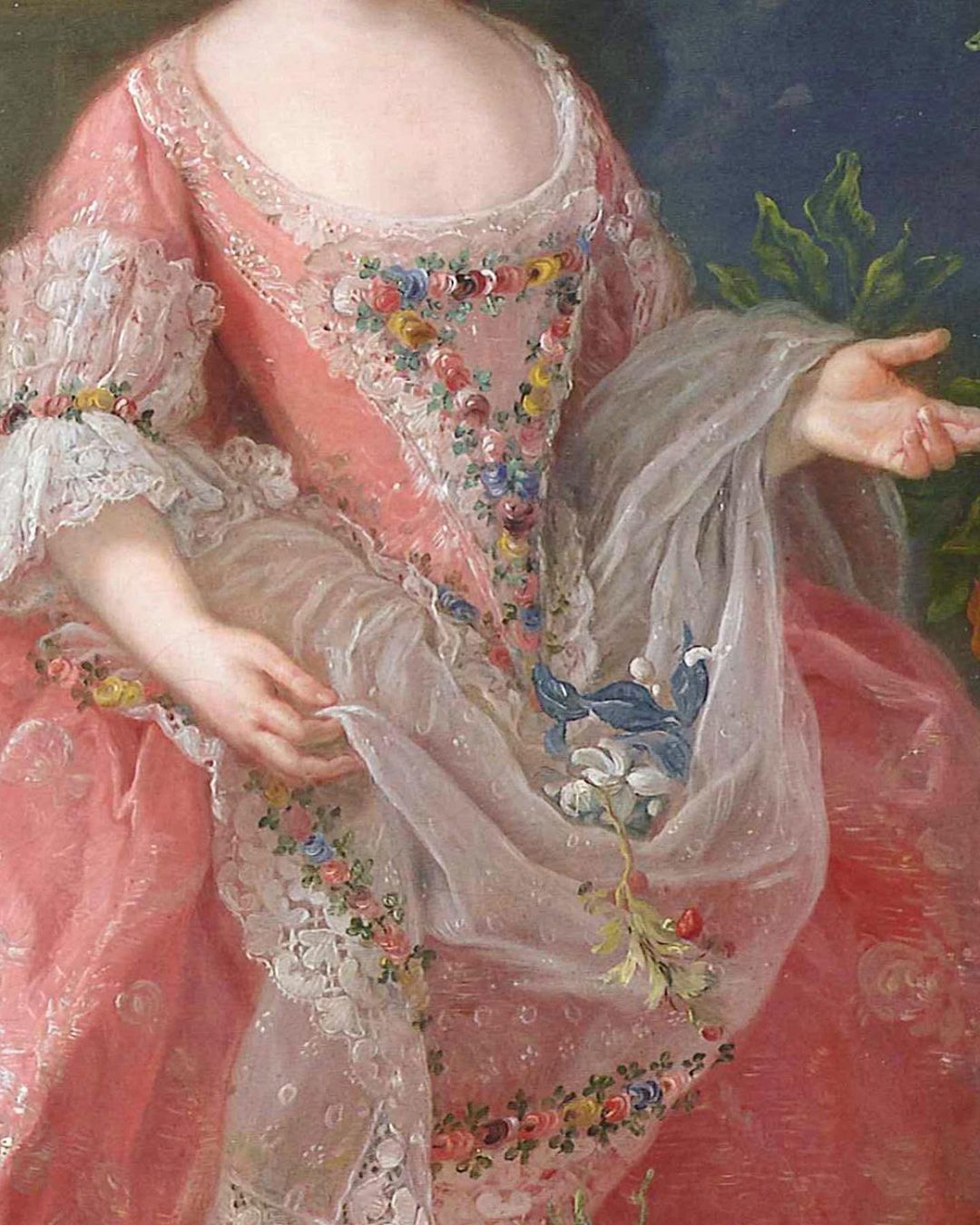
Neapolitan painter of the Rococo period Giuseppe Bonito (1707—1789), a favourite at the court of King Carlos and who, in 1748, had executed a series of nine paintings of...
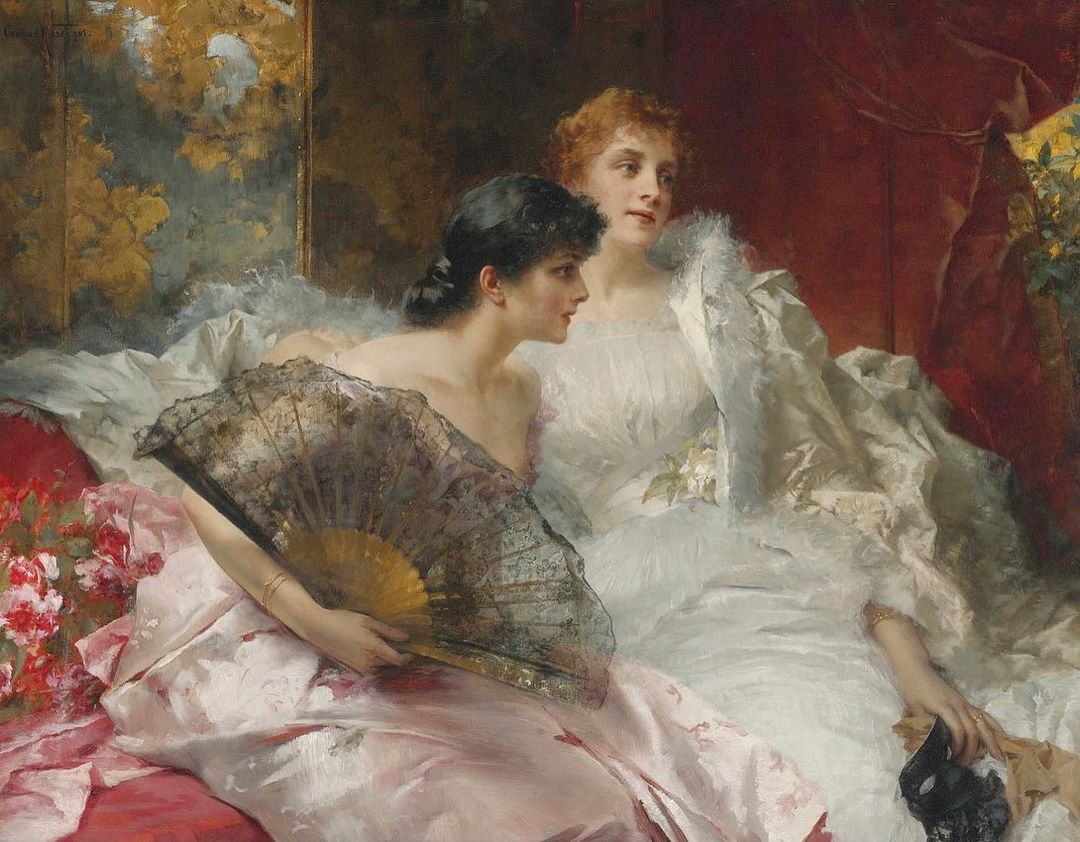
Conrad Kiesel's (1846—1921) rendering of his sitters' delicate complexions and the soft, silky fabric of their gowns creates an enchanting impression of the scene. The...
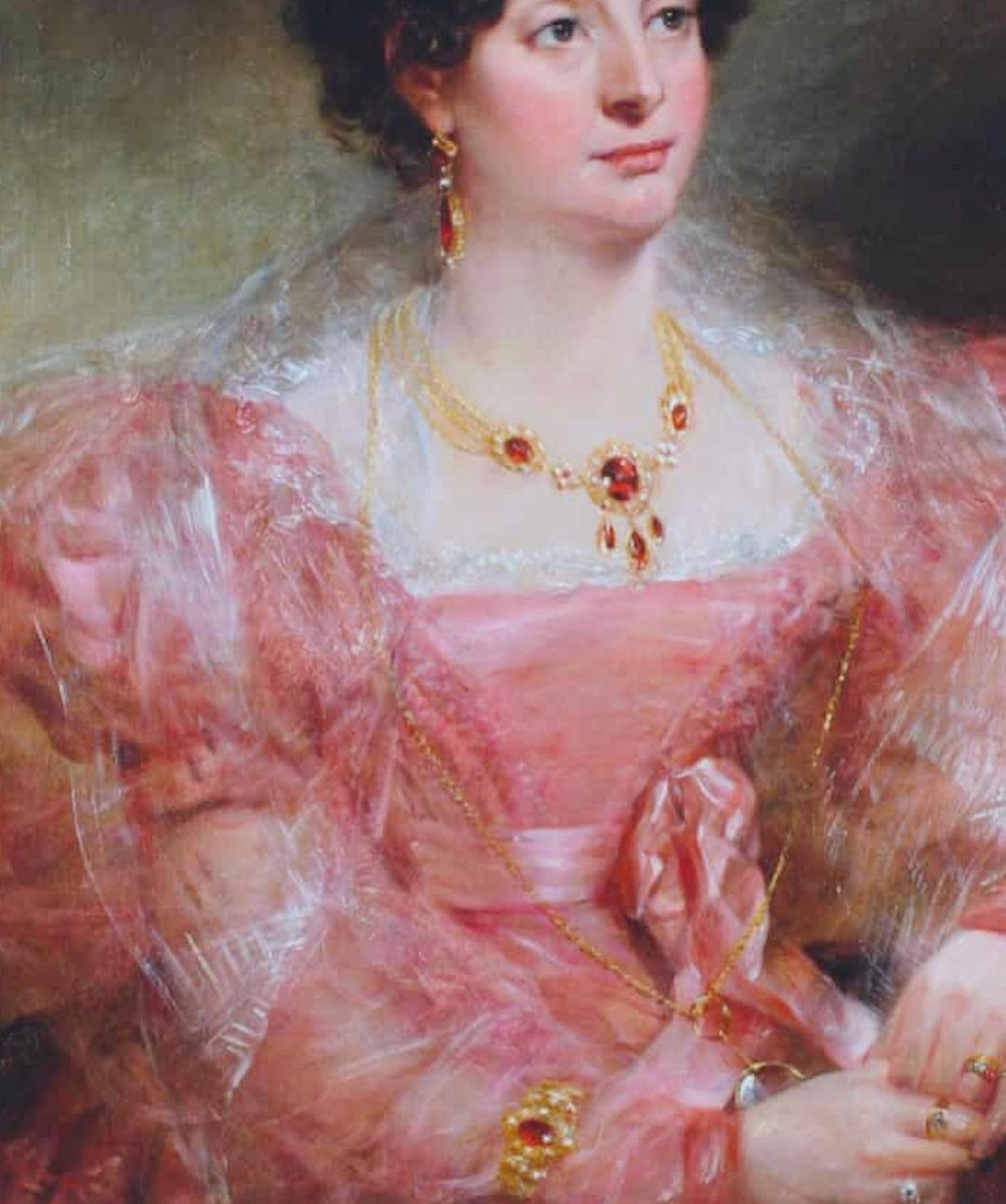
Emily Treslove was John Constable’s (1776—1837) neighbour in Charlotte Street, the central London address of his spacious studio. In various diary entries, Emily...
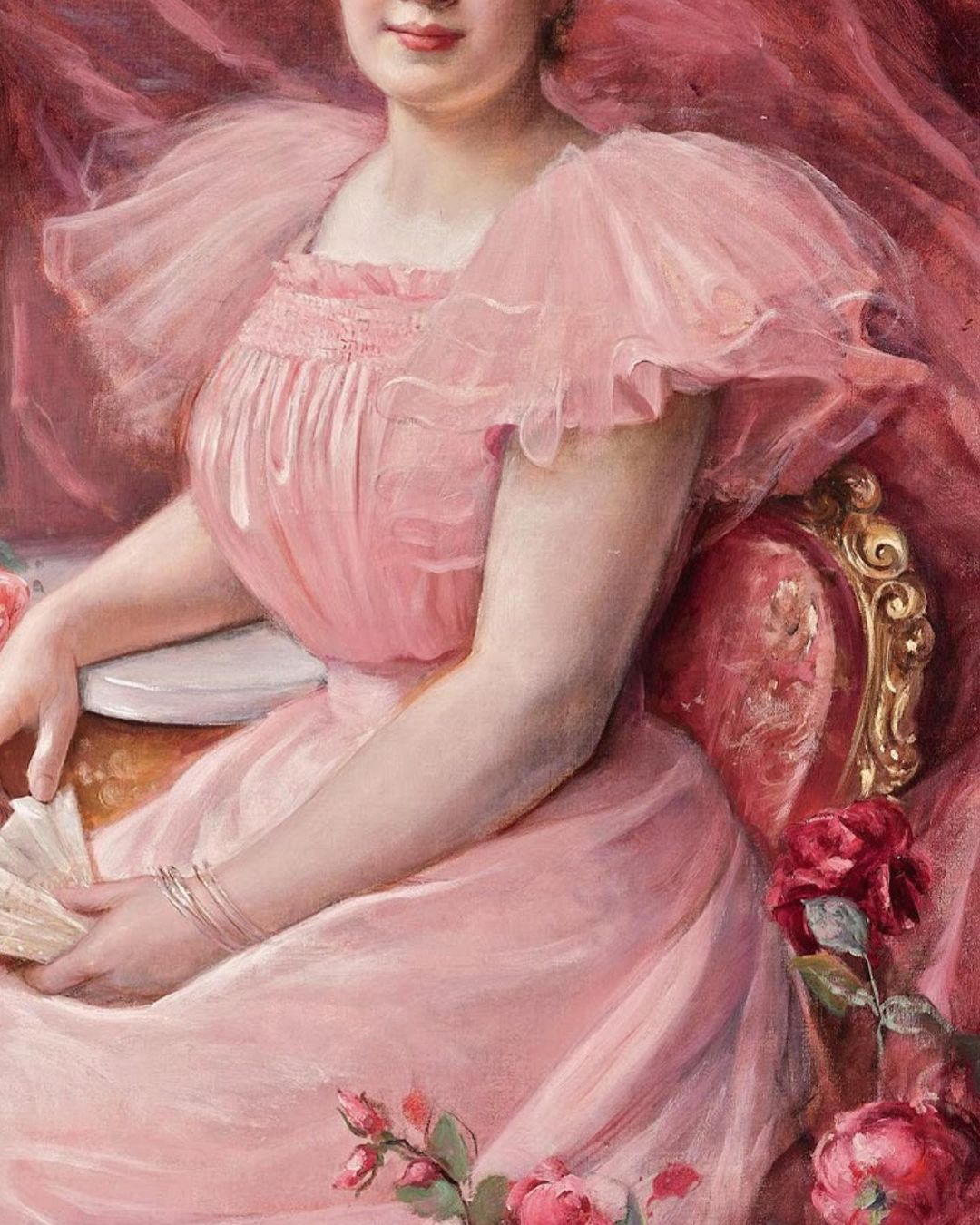
Paul de la Boulaye (1849—1926) was a 19th century French painter who painted genre scenes of peasants, religiously inspired works, still-lifes, portraits and sumptuous...
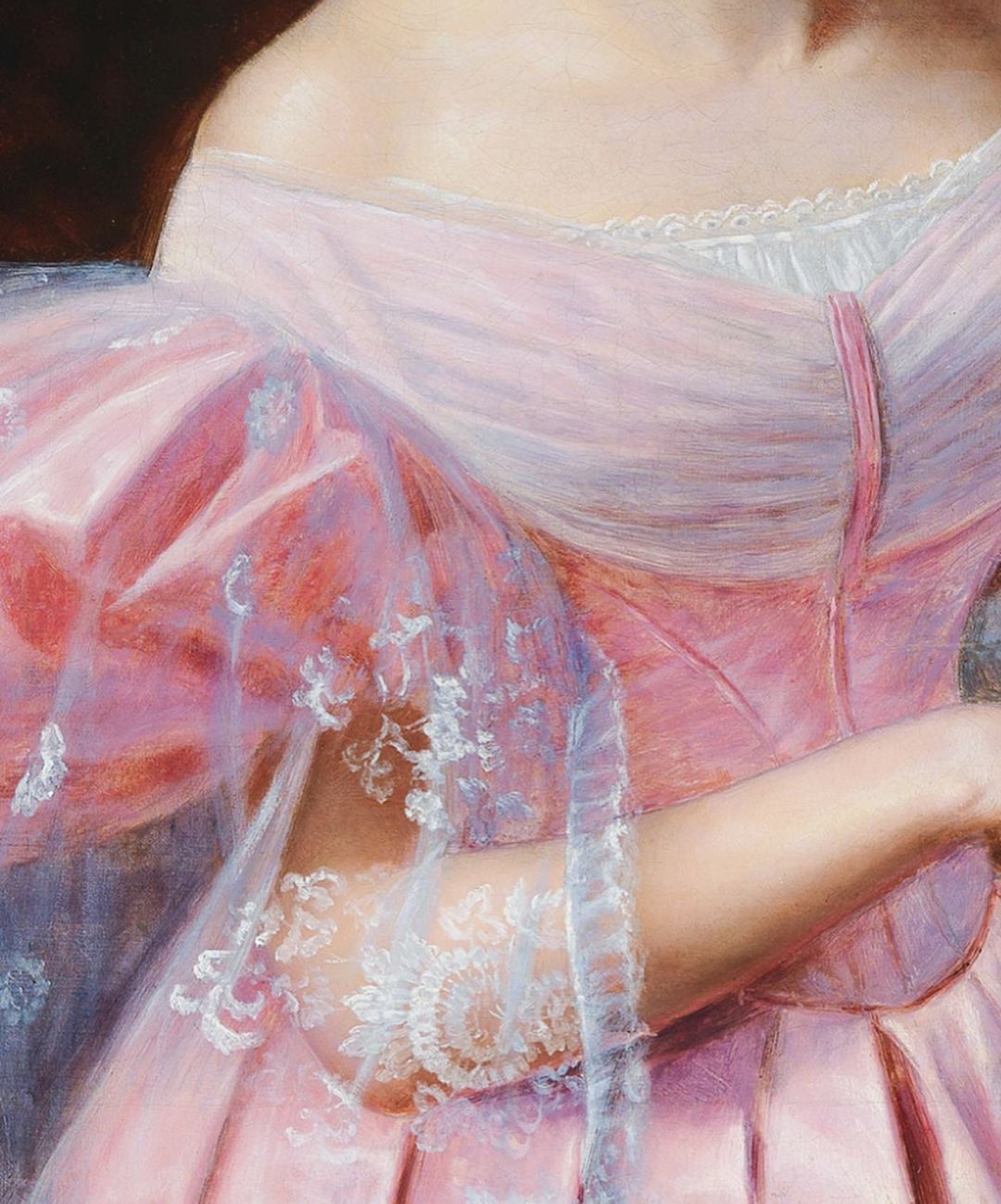
Duchess Helene of Mecklenburg-Schwerin (Helene Luise Elisabeth; 1814—1858) was a French Crown Princess after her marriage in 1837 to the eldest son of Louis Philippe I,...
чтобы продолжить