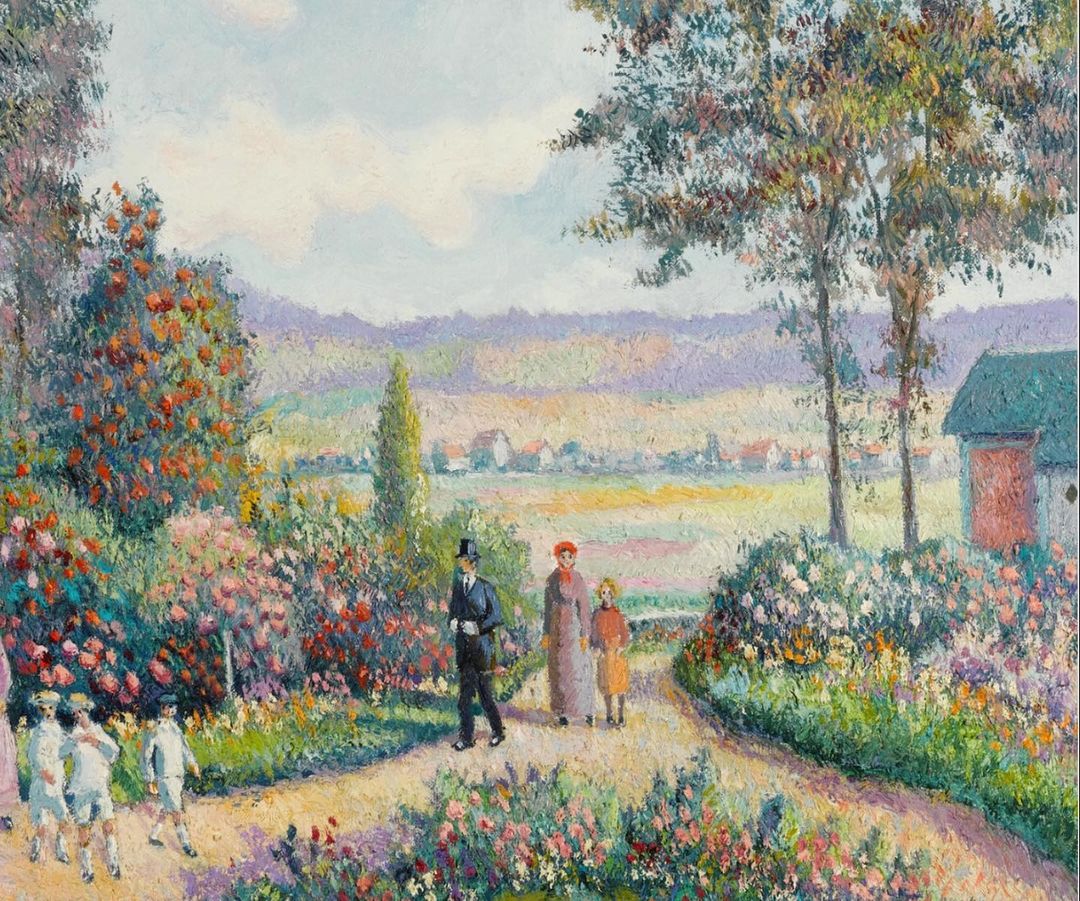
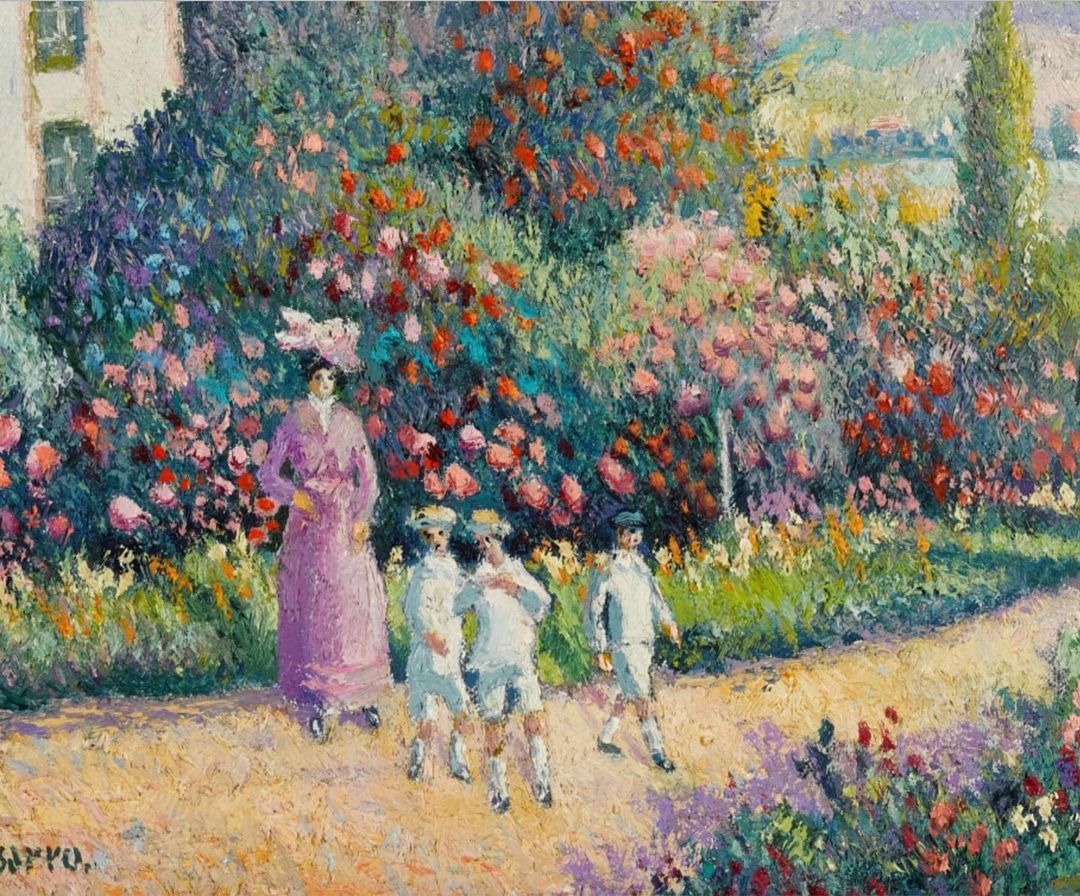
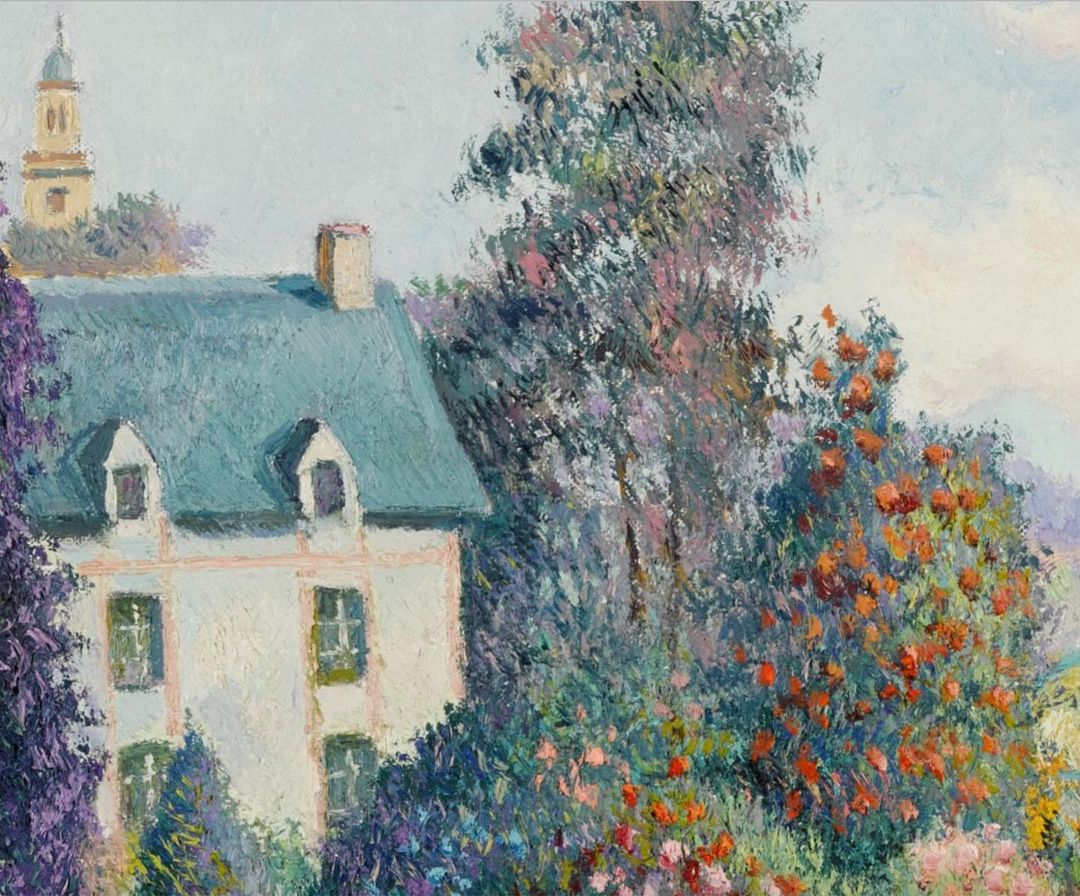
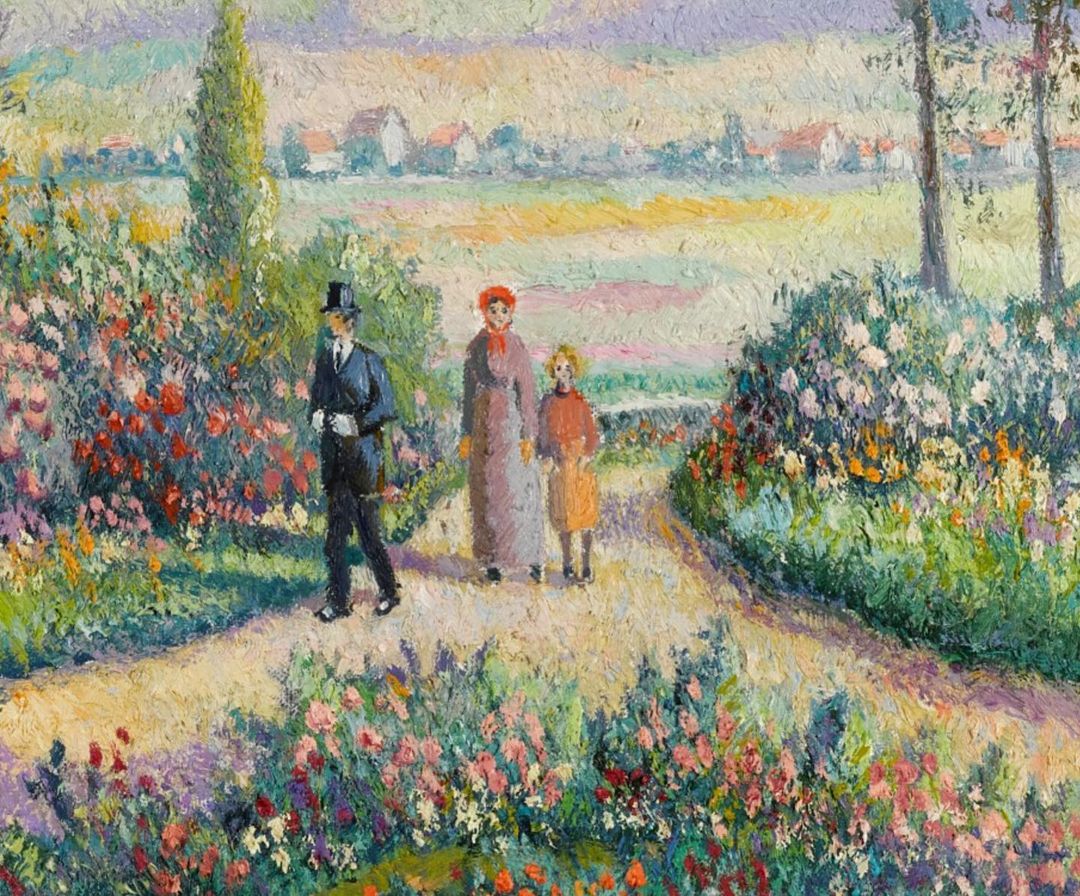
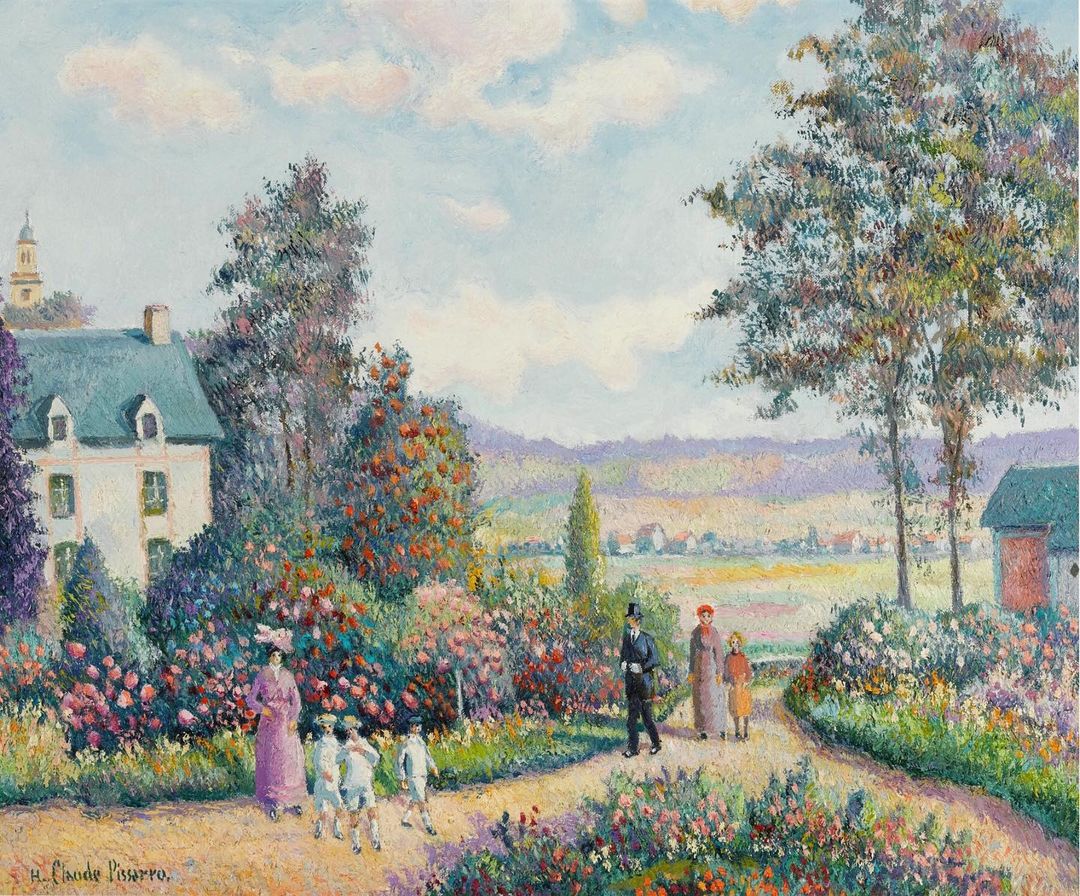

A French painter Hugues Claude Pissarro (b.
1935) also known professionally as Isaac Pomié, is the grandson of the Impressionist painter Camille Pissarro. His work has evolved through a ... ещёПосты arthistorydiary
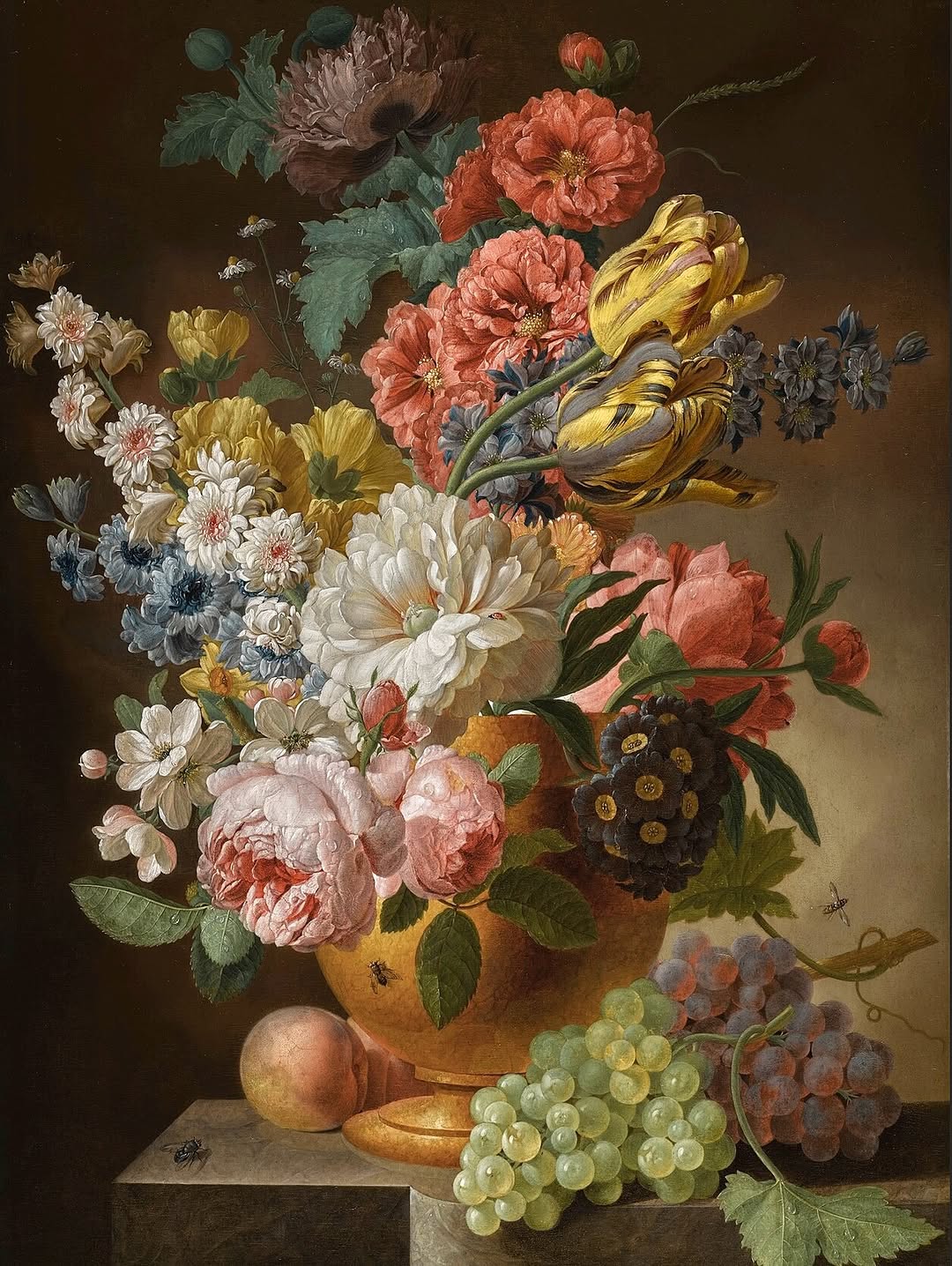
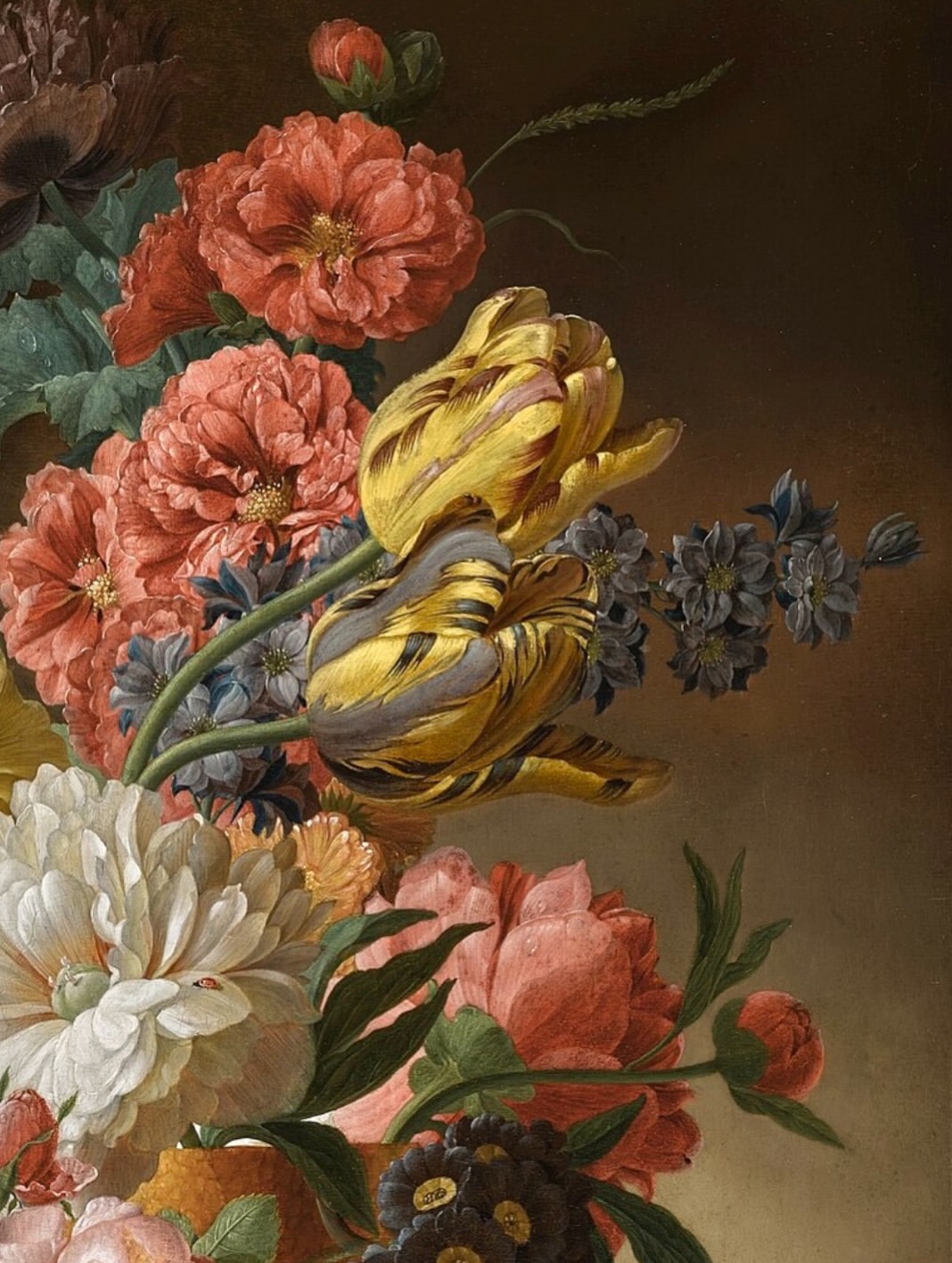
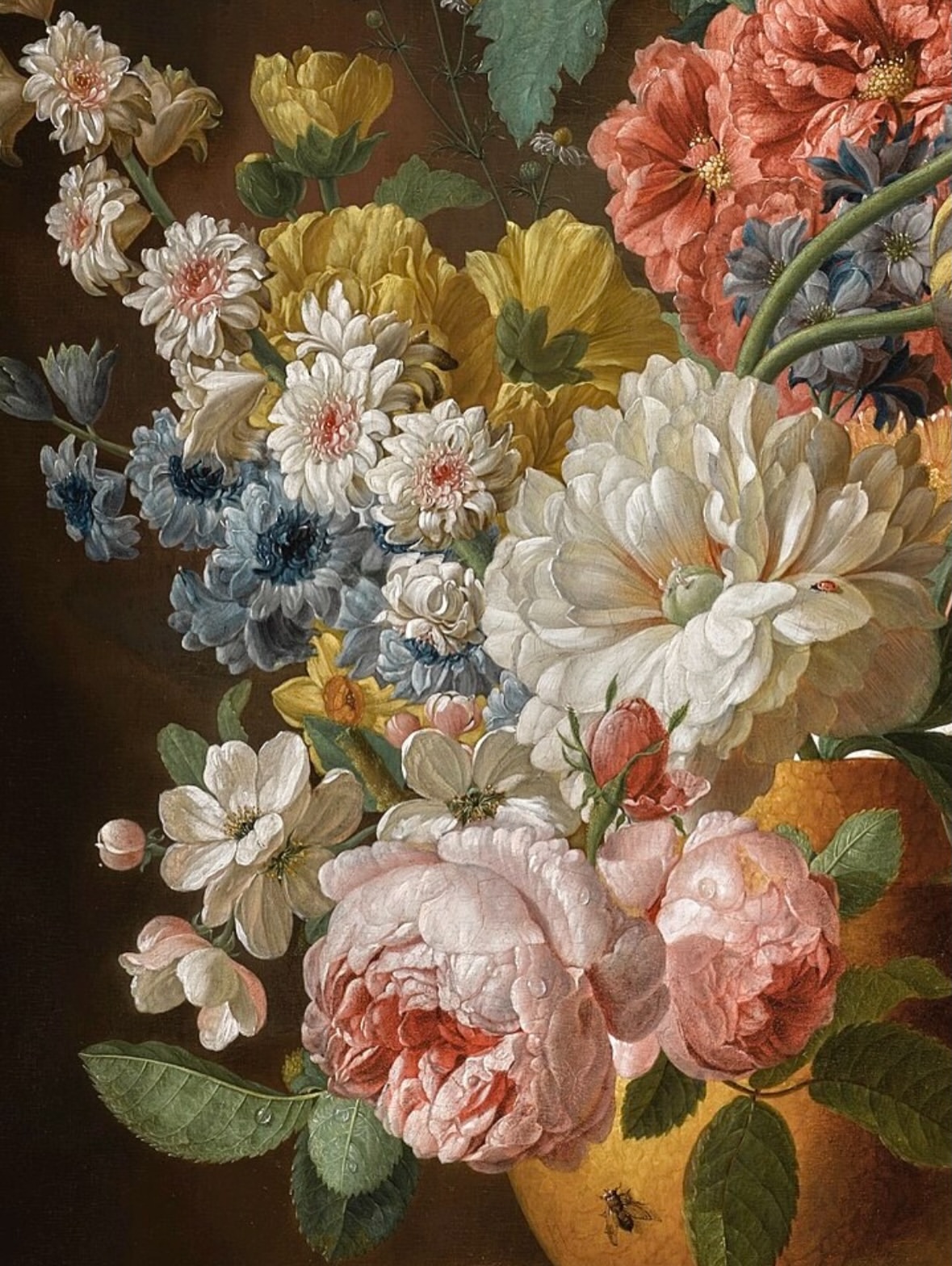
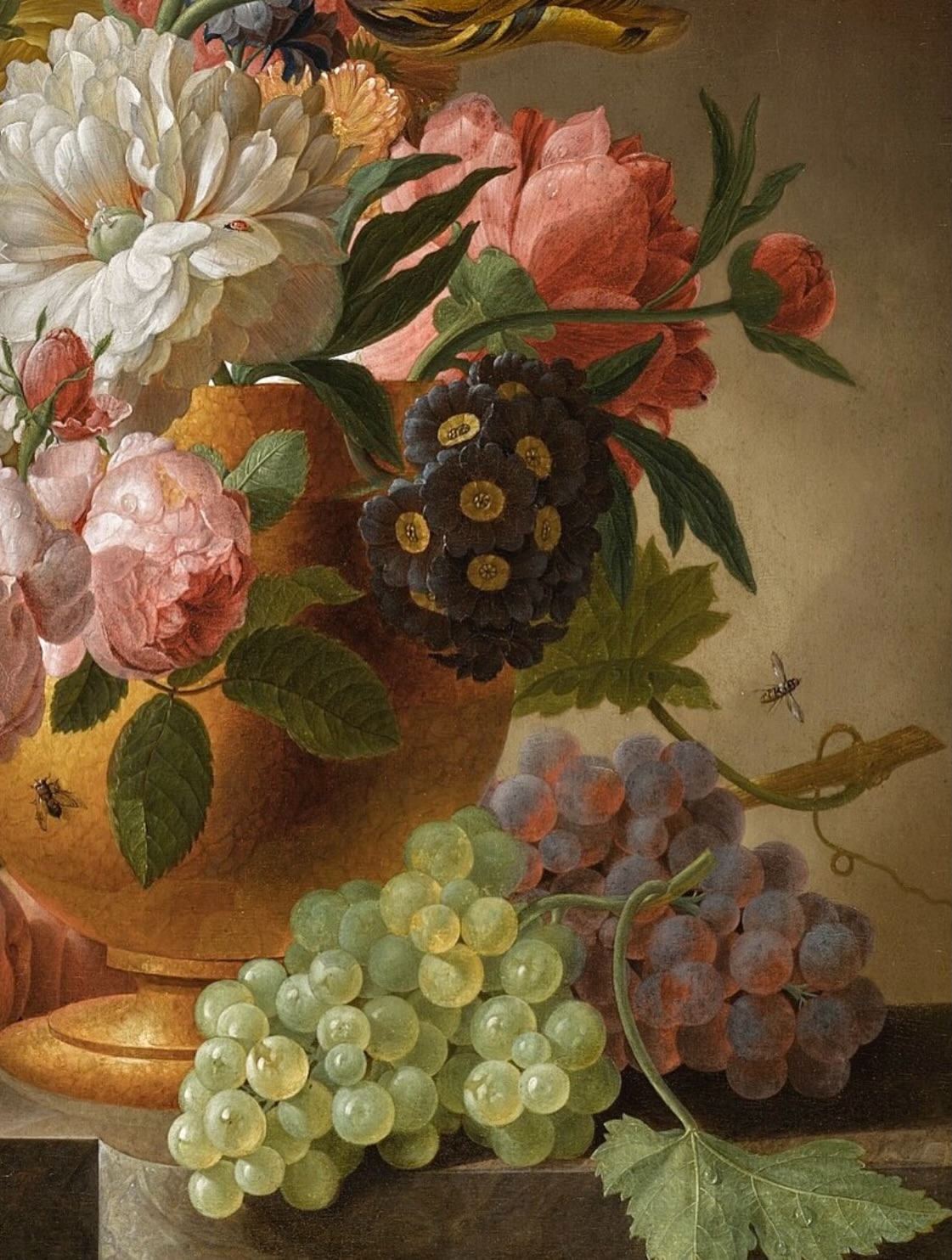
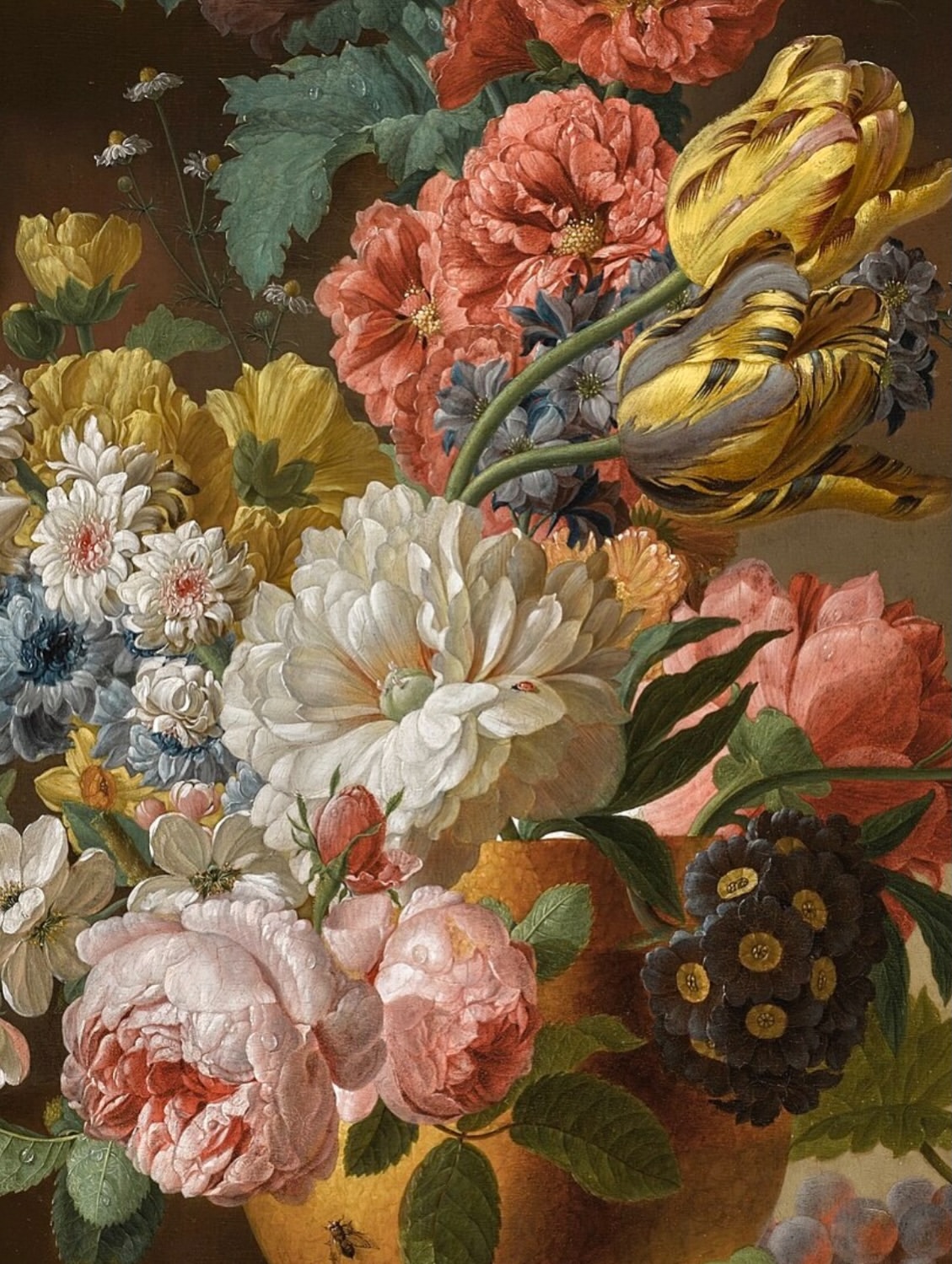

This refined and elegant still life abounds with coloristic and painterly finesse.
Flemish artist Pieter Faes (1750—1814) renders the variety of textures and tones with characteristic brilliance, elucidating his popularity with the most important patrons of his day. Pieter Faes, Still life of roses, tulips, carnations and other ... ещё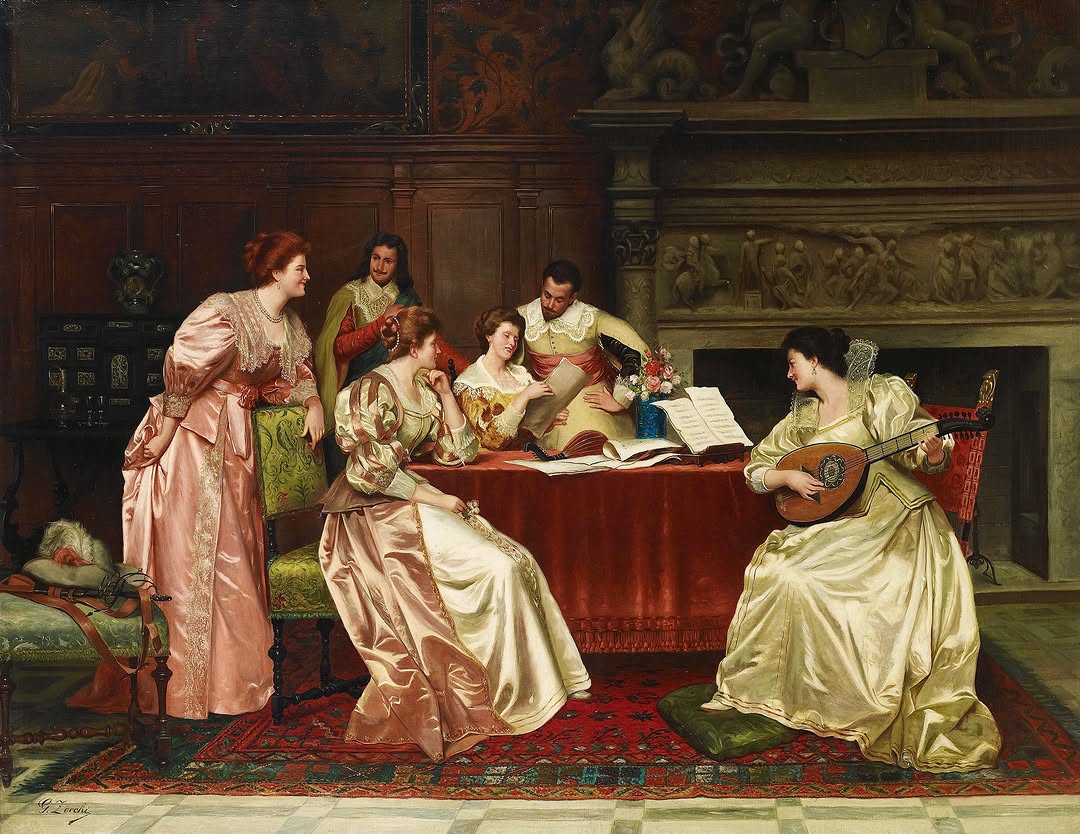
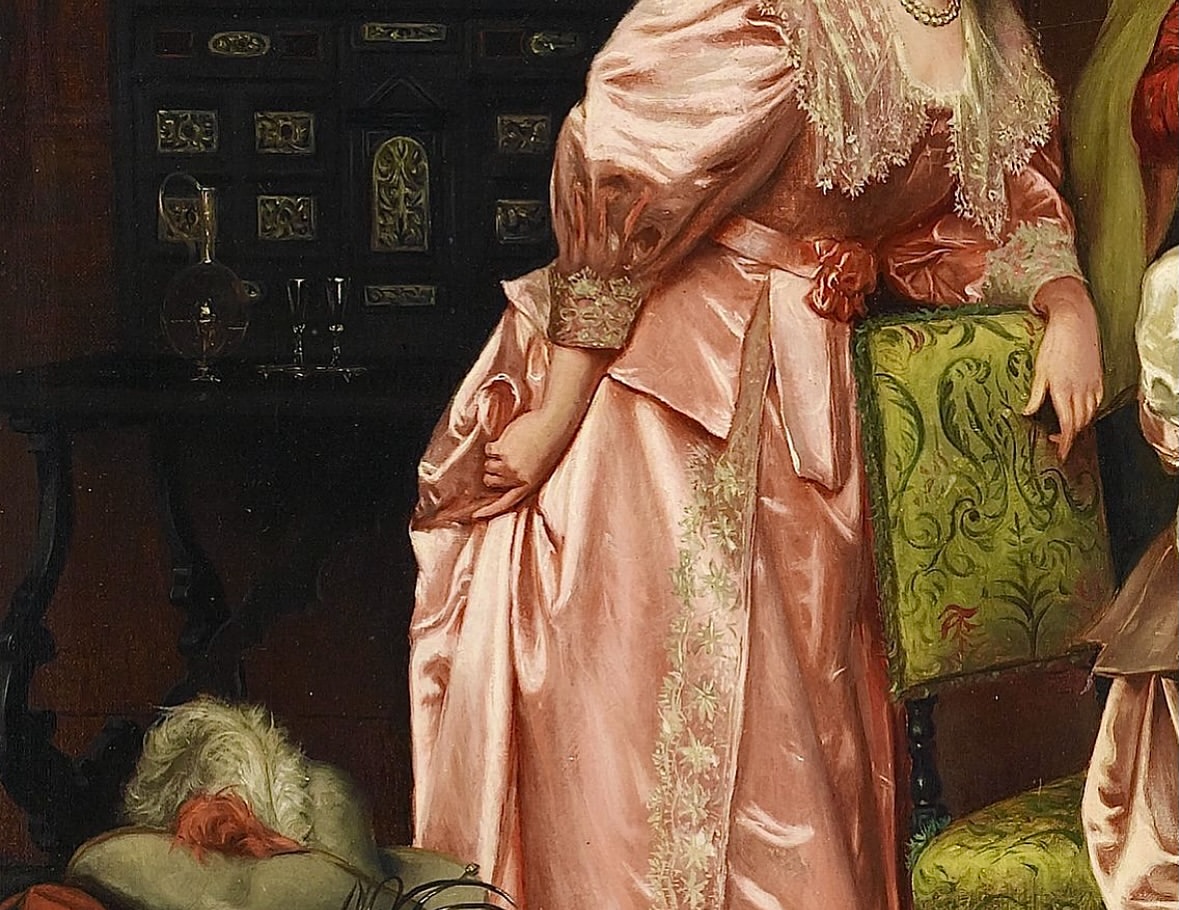
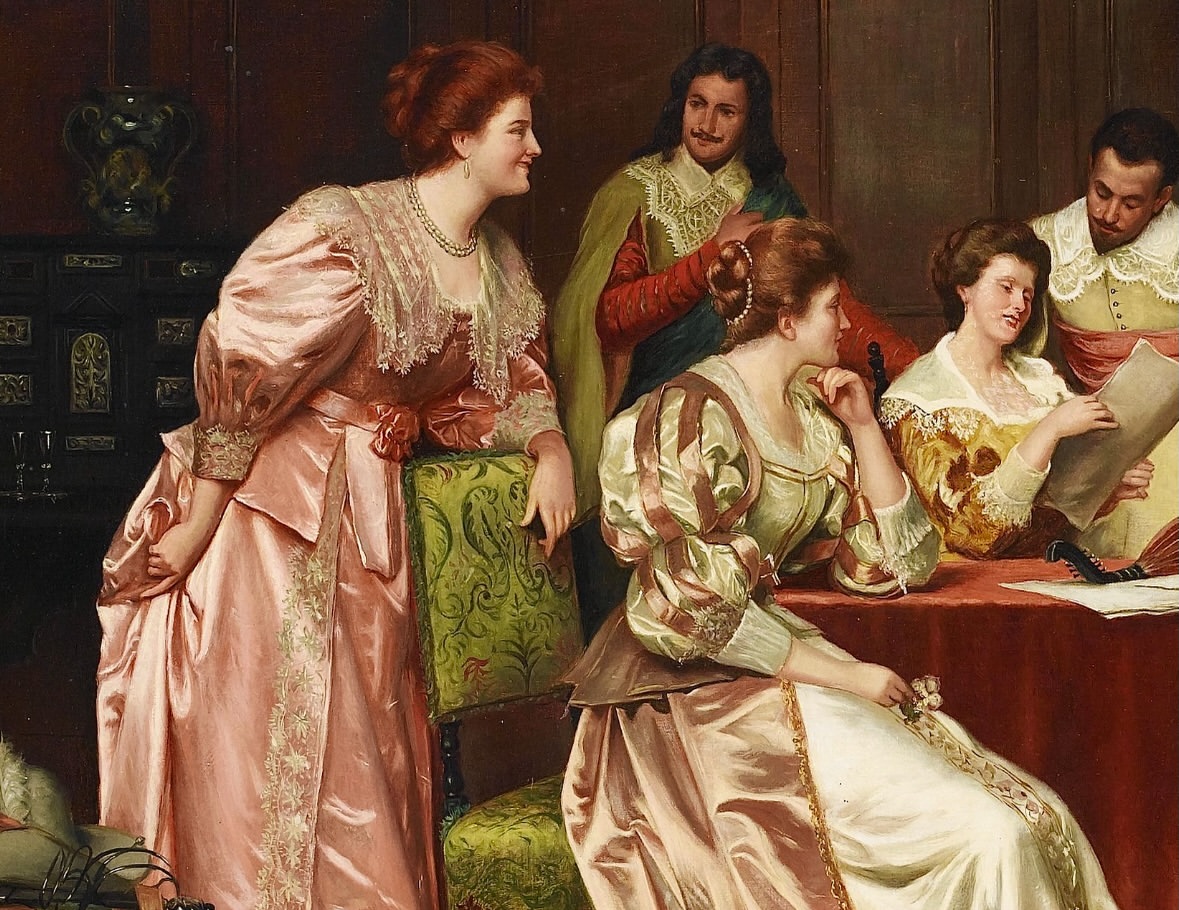
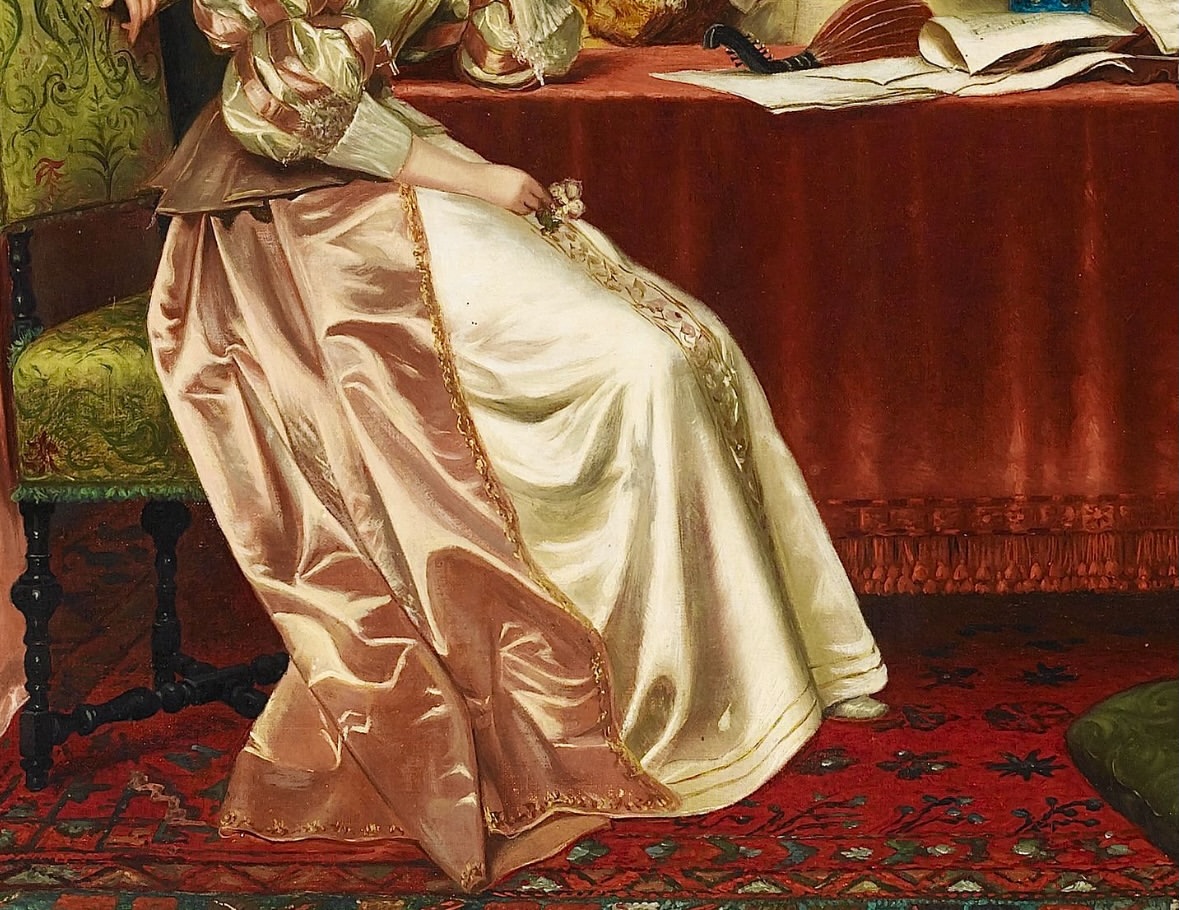
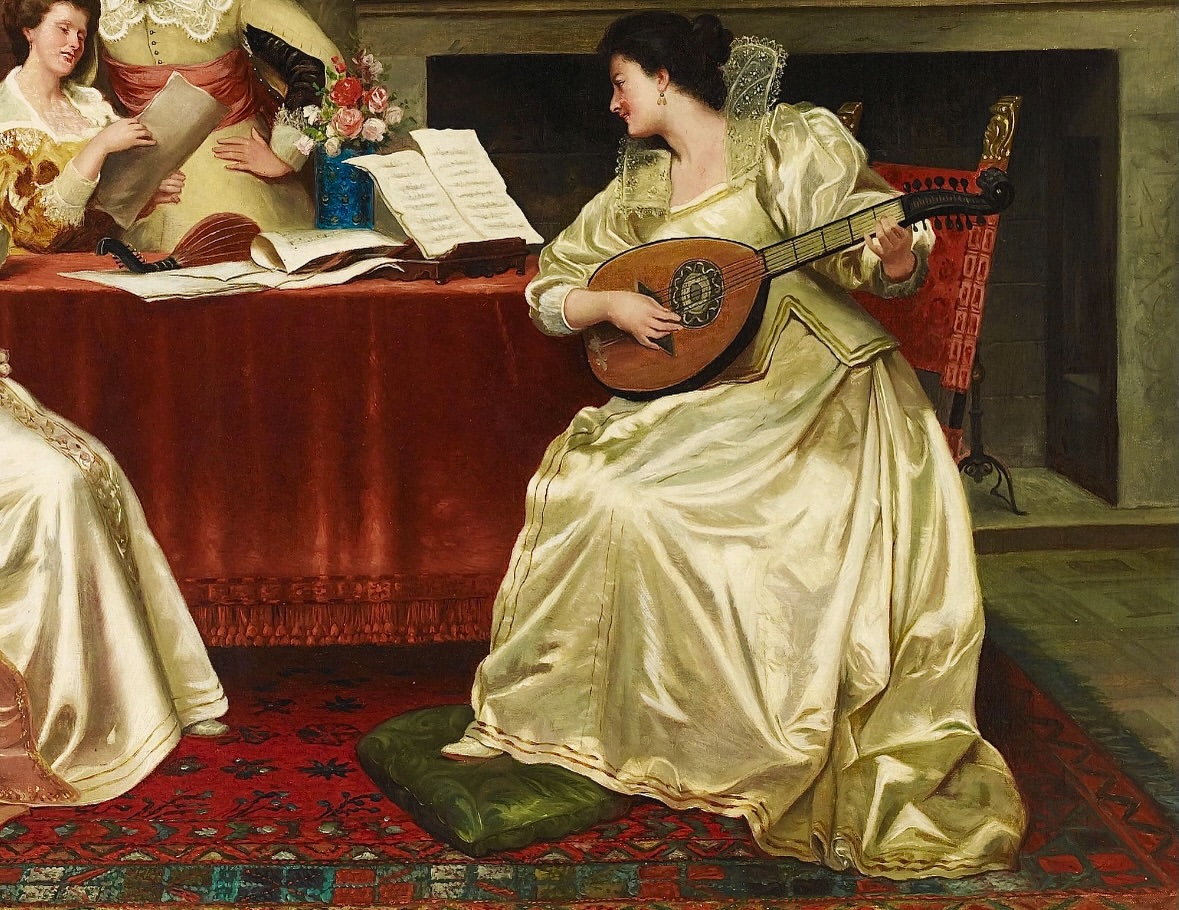
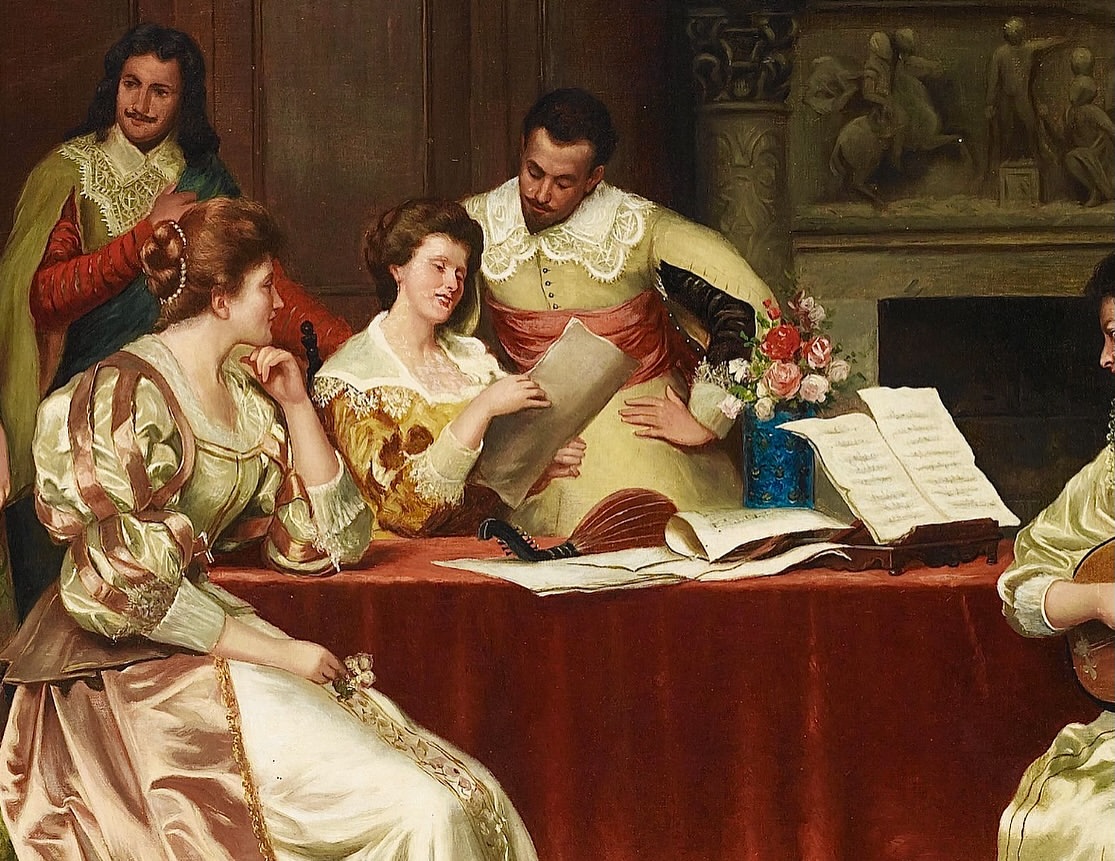
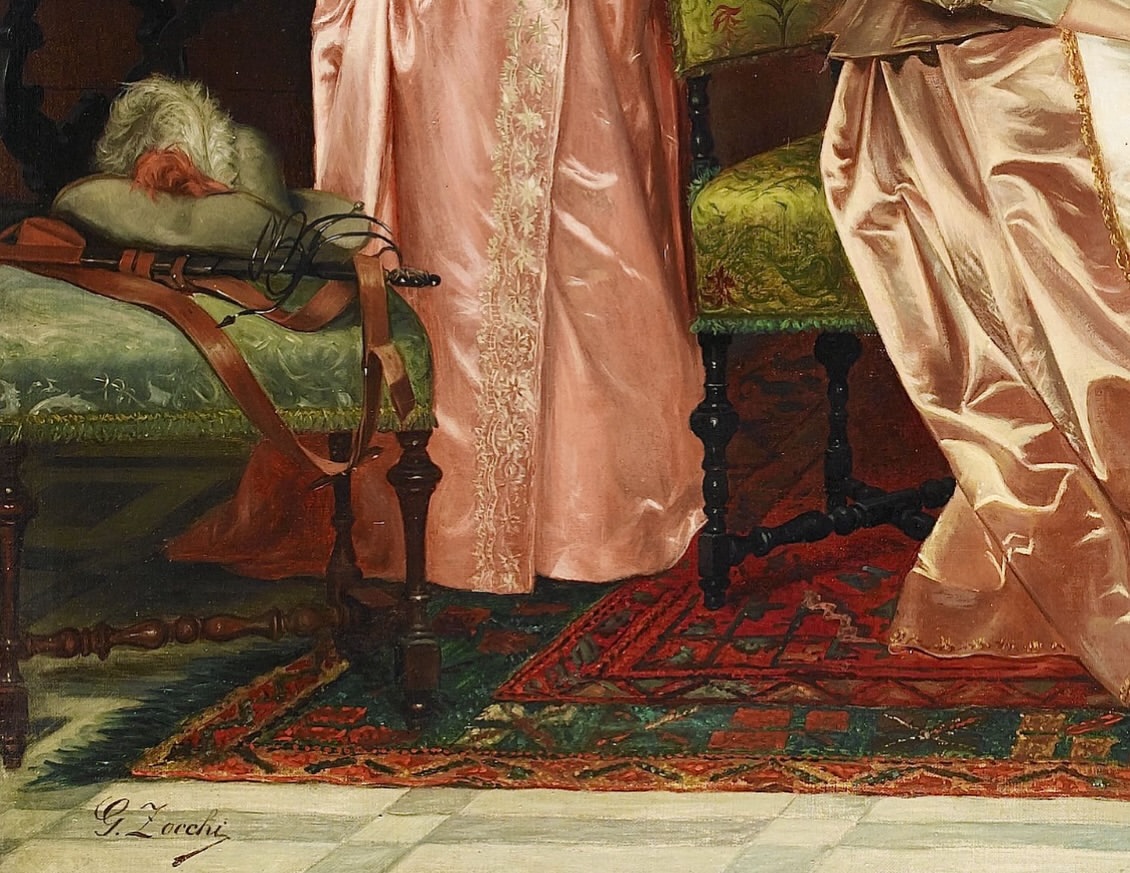
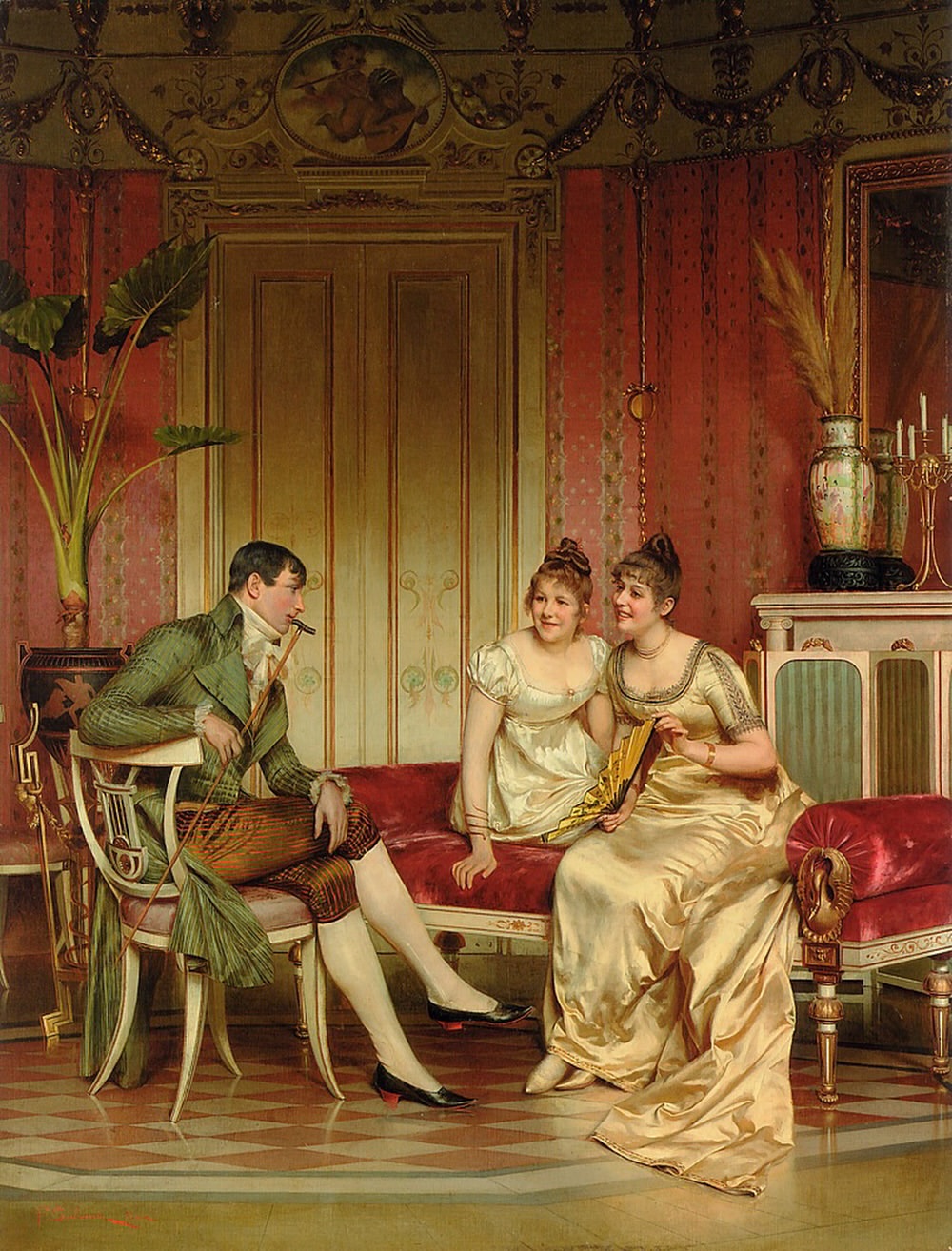
“Music expresses that which cannot be put into words and that which cannot remain silent.
” — Victor Hugo. Guglielmo Zocchi, A Musical Evening, 19th century, Private collection. #art #painting #arthistory #artist #artlover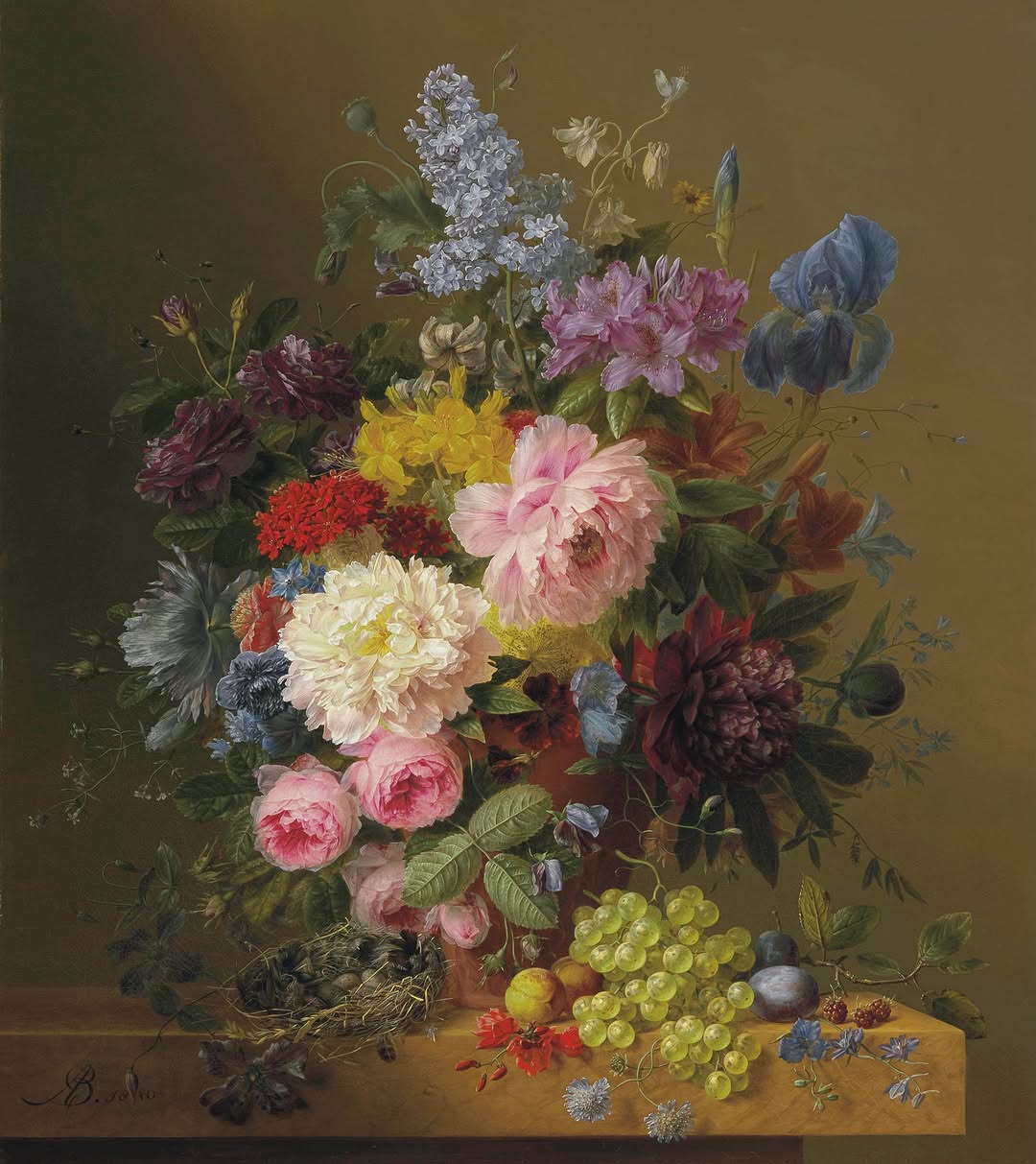


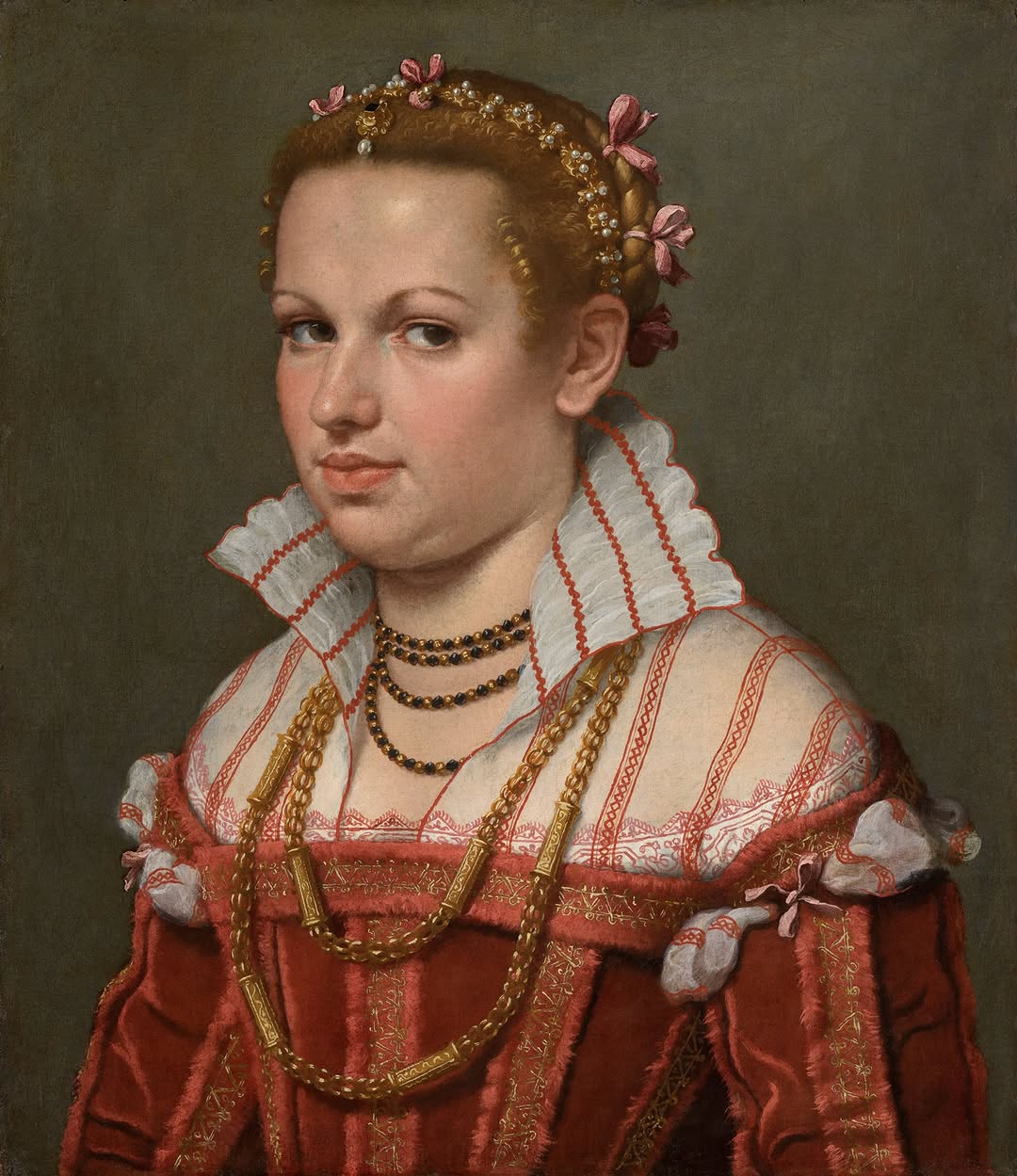


Isotta Brembati Grumelli (c.
1530—1586) was an Italian poet and countess. She was fluent in Greek, Latin, French, Spanish, and Italian. Giovanni Battista Moroni, Isotta Brembati Grumelli, c. 1548-50, Accademia Carrara, Bergamo @accademia_carrara #art #artlovers #moroni #portraitpainting #baroque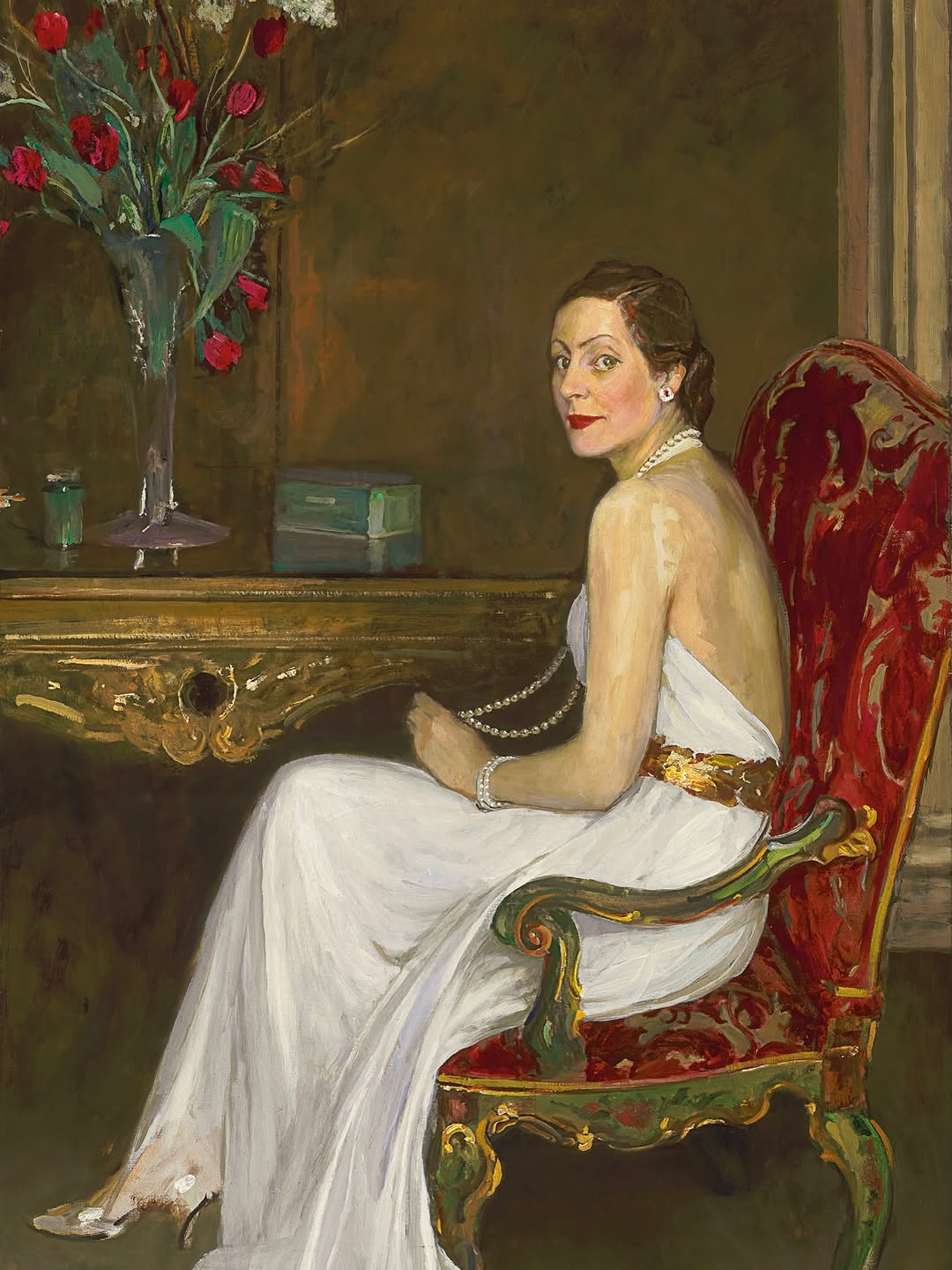

Painted only two years before the great Irish artist’s death, The Lady in White, Viscountess Wimborne is a bravura example of Sir John Lavery’s (1856—1941) work as a portraitist.
The work depicts Alice Katherine Sibell Grosvenor, the daughter of Robert Wellesley Grosvenor, 2nd Baron Ebury, and the wife of ... ещё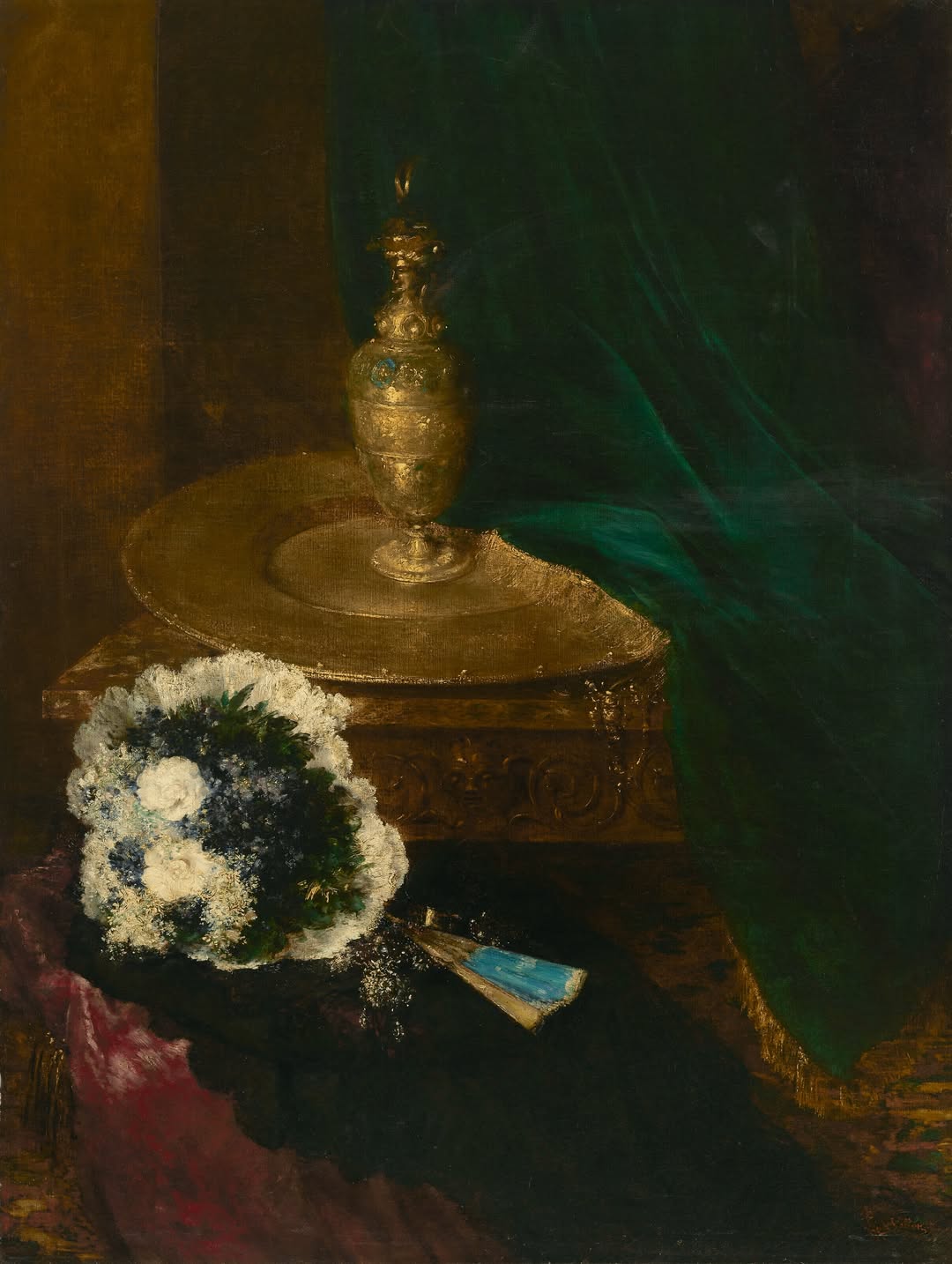


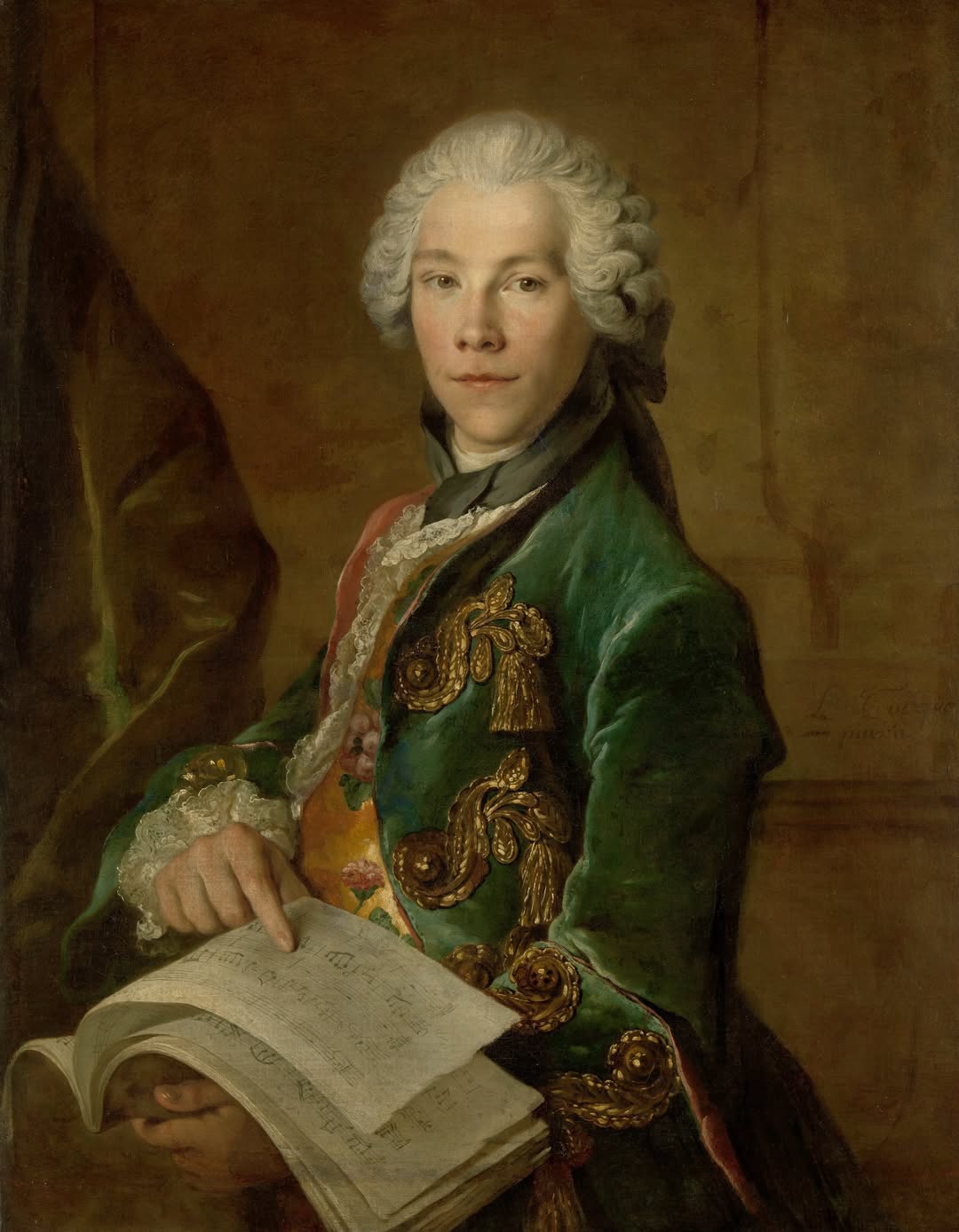
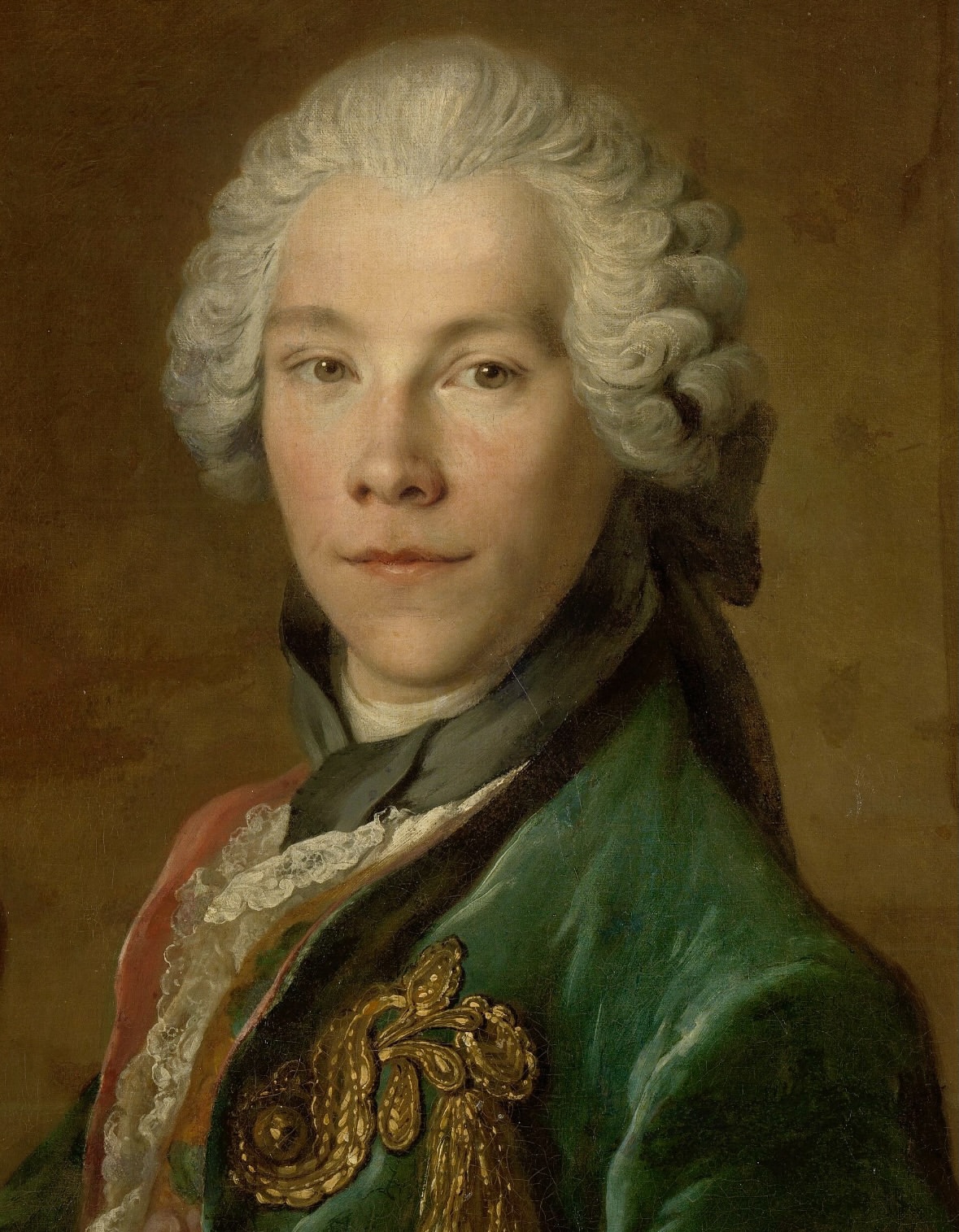
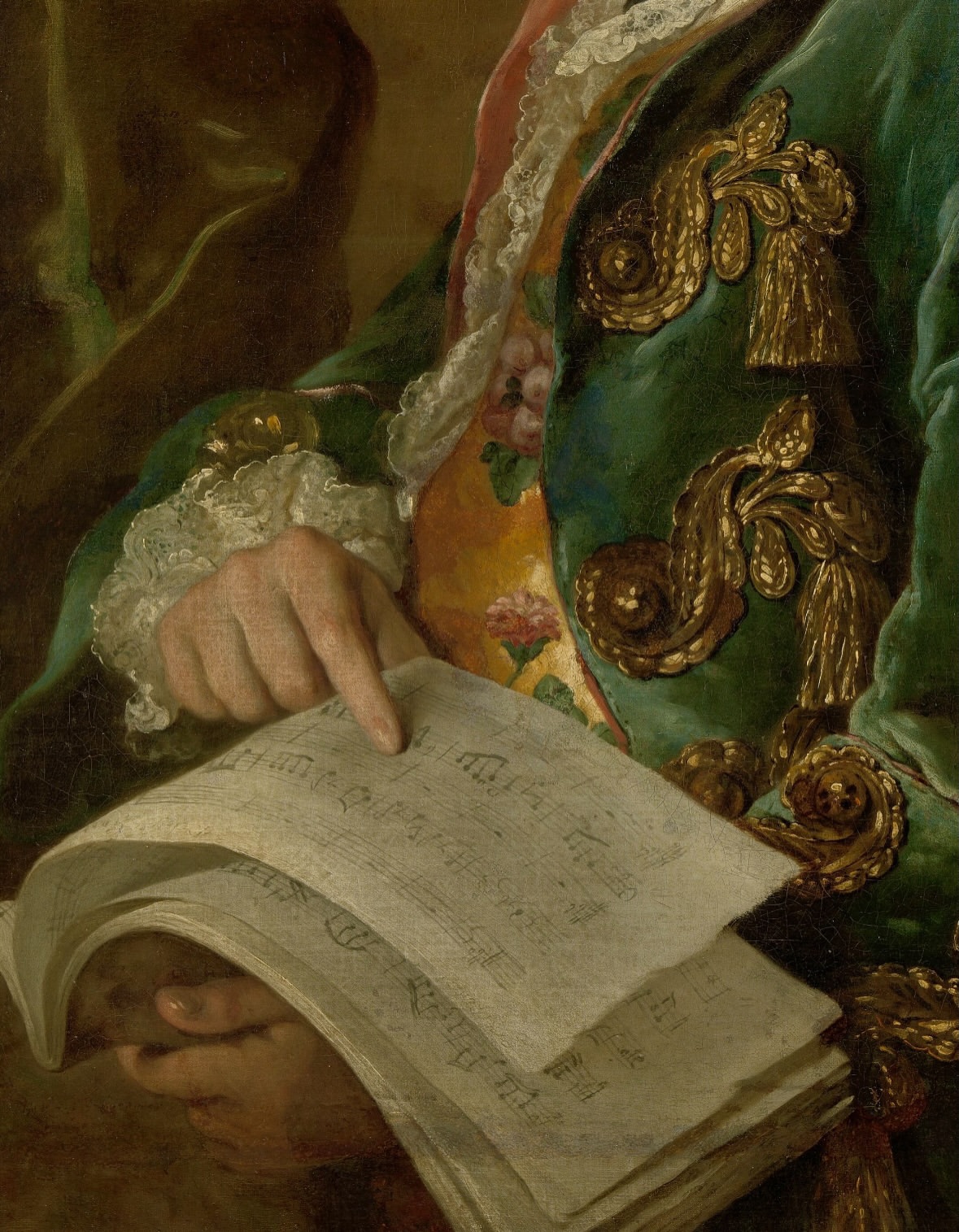
The painter Louis Tocqué (1696—1772) was accepted into the French Académie Royale in 1734.
His work was highly sought after at that time. He was much admired for his ability to evoke an informal atmosphere, while nevertheless meticulously rendering his sitter’s sumptuous clothing and accessories. Arnoldus van Rijneveld’s fashionable ... ещё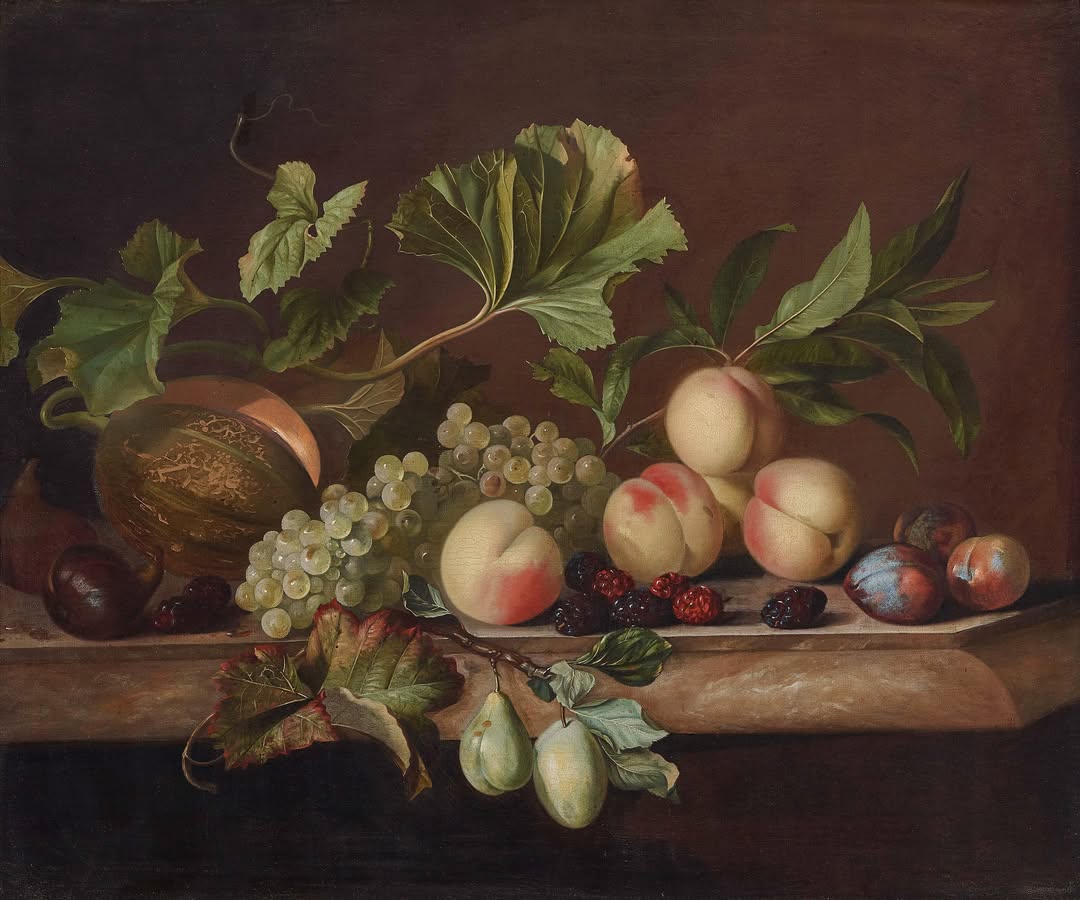


Born in Haarlem, Barend van der Meer (1659–1703) came from a family of artists and he became famous for his beautiful still-life paintings of fruits, flowers, exotic animals and wealthy objects.
In 1683, Barend moved to Amsterdam following his marriage and established a reputation in the competitive art ... ещё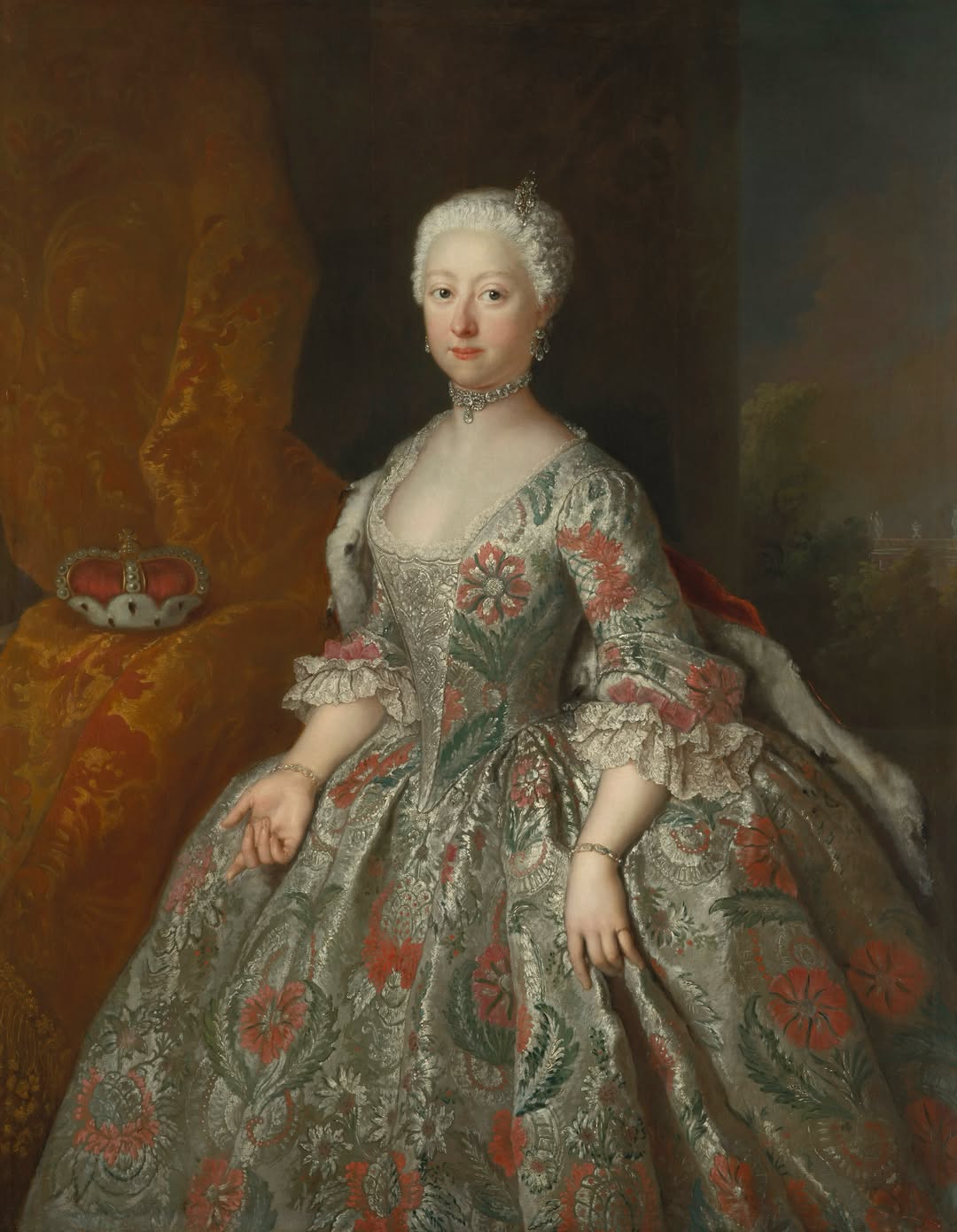


Fredericka, was a German noblewoman and member of the House of Wettin.
Her fashionable brocaded silk gown, woven with a silver thread ground and large scale patterns, heavy fruit and flower forms is typical of the 1730s and 40s. The darker colour combinations seen here are more frequently found ... ещёчтобы продолжить